
What happened
DIGITIMES published a report saying end-to-end autonomous driving has become the mainstream technology path, and that Physical AI inference demand is reshaping automotive system-on-chip design. It presents a 3x3 matrix of key automotive SoC indicators as an evaluation framework.
Why it matters
That would put the accelerator, not today's general-purpose processors, at the center of how these chips are designed and evaluated.
What to watch
The 3x3 matrix is offered as an evaluation framework, not a standard, so how widely chip designers adopt it is likely to hinge on whether vendors align with it. Watch the specification details the report lays out for the major vendors it names.
WHO IT HITSAutomotive chip designers and the teams specifying next-generation vehicle compute will feel this first, since the report argues the AI accelerator should become the compute core of automotive SoCs. Procurement and platform engineers at carmakers evaluating those chips may also see the evaluation criteria shift.
Summaries like this, in your inbox every morning.
The DIGITIMES report places the shift toward end-to-end autonomous driving alongside a broader change in how AI computing itself is organized. It describes global industry consensus forming around three stages of AI evolution, with hardware requirements differing at each stage. In the Agentic AI stage, systems handle not only inference but also auxiliary tasks like task scheduling and tool calling, leaning on the compute strengths of the CPU. As the industry looks ahead to Physical AI, systems must perform real-time, accurate inference in diverse and changing physical environments.
The report frames that transition as the reason automotive SoC design is changing. It lays out a 3x3 matrix of key indicators spanning underlying hardware specifications, mid-layer efficiency performance, and upper-layer solution compatibility, and builds a set of reference architectures and specifications around it. The discussion spans the end-to-end autonomous driving architecture and its technology evolution, FSD chip architecture and upgrade specifications, and design references for the vendors it names.
The stakes appear to sit with the chip designers and platform teams deciding what next-generation vehicles run on. Whether the report's framework becomes a practical guide hinges on how closely vendors and their customers align on the indicators it proposes, and on whether the AI accelerator indeed takes the central role DIGITIMES expects.
For example, today's edition would include:
AI-summarized, only the topics you pick — one digest a day via Email, Slack, or Discord.
Free · 30 seconds with Google · unsubscribe anytimeWhat is AIToday? →
Ask AI anything about this article. Q&As are published on this page for other readers too.
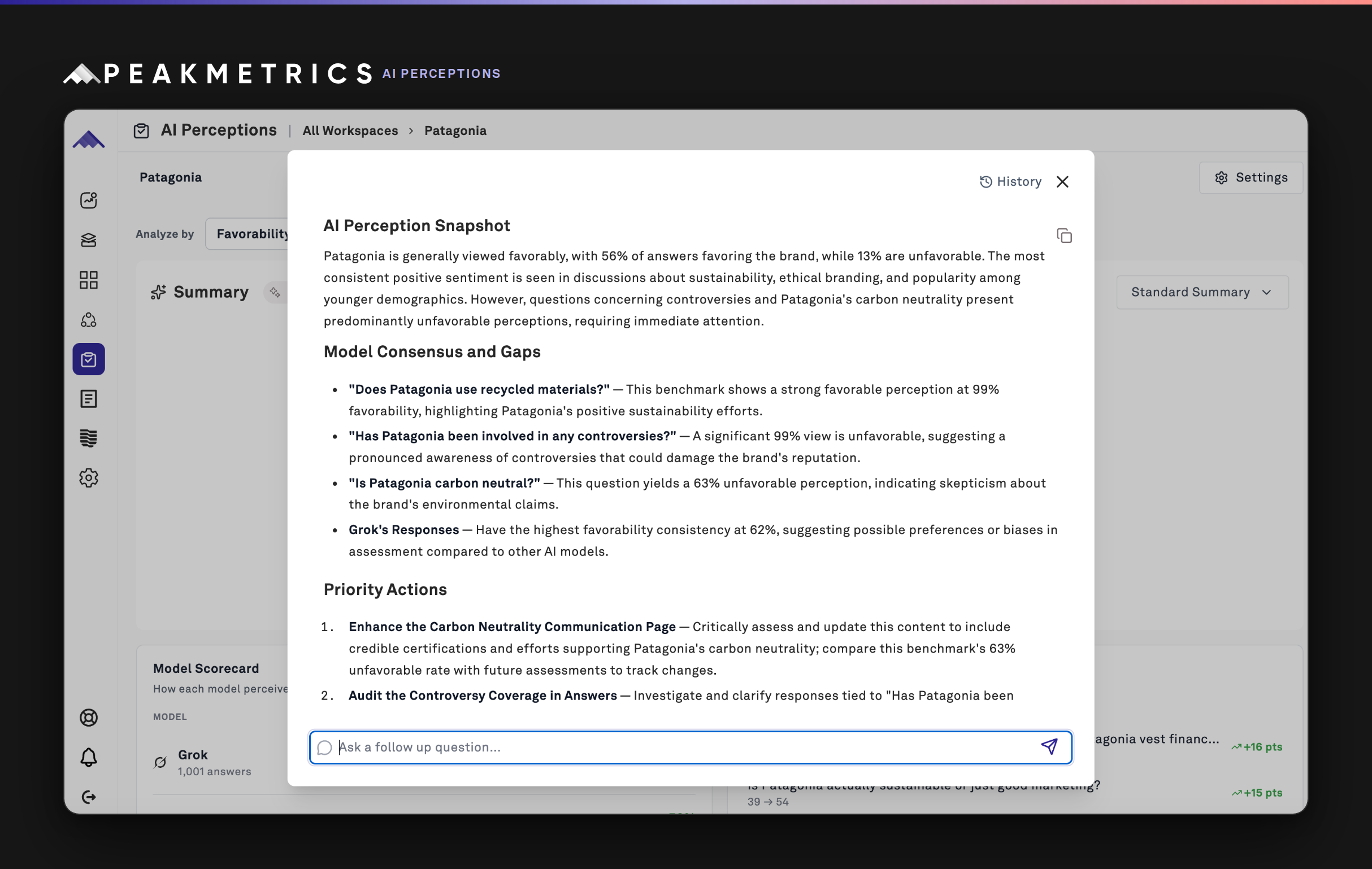
PeakMetrics launched AI Perceptions, which regularly submits customer-chosen prompts to ChatGPT, Gemini, Claud…
Adobe globally launched Student Spaces in Acrobat for free, an AI-driven study platform that gained more than…

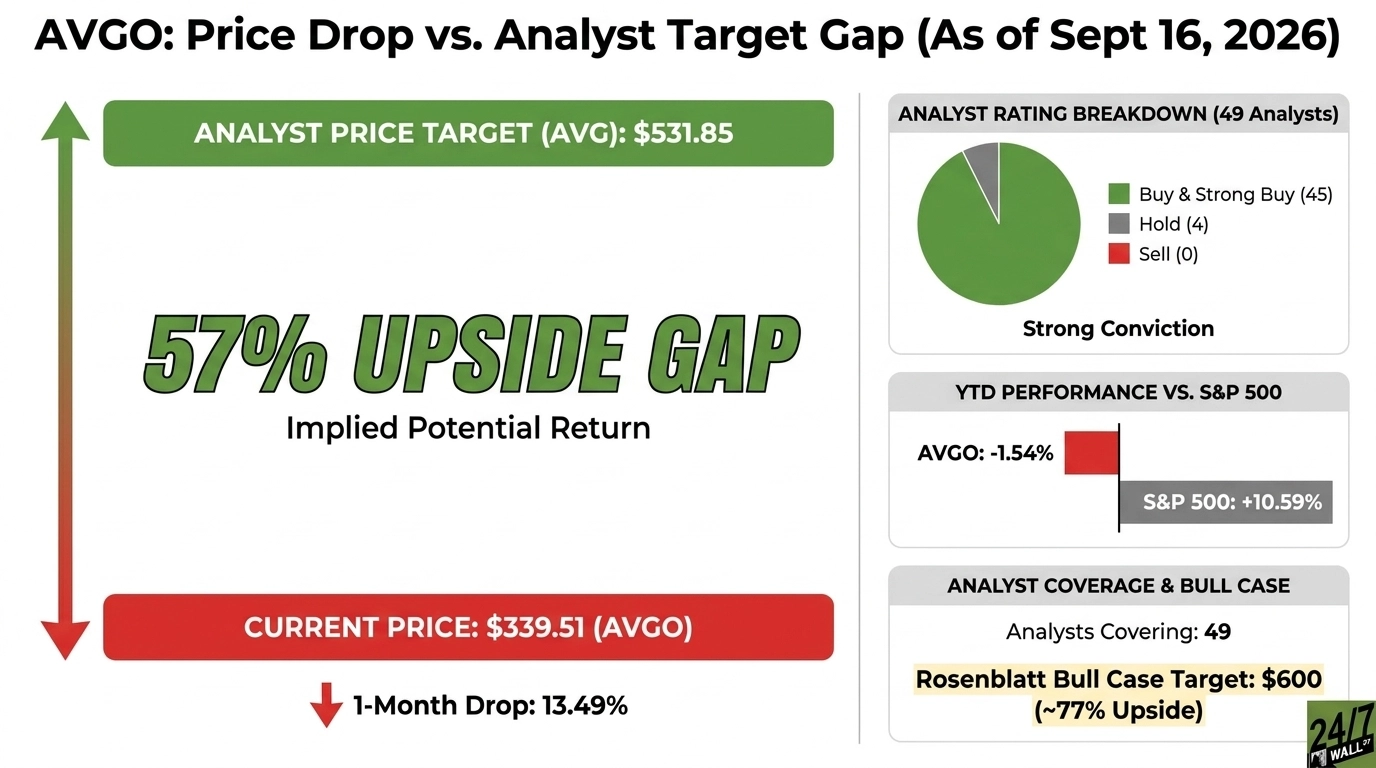
Rosenblatt Securities analyst Sajal Dogra raised his Broadcom price target to $600 from $500 with a Buy rating…
Apollo Global Management is in talks to boost a NAV loan to SoftBank's Vision Fund 2 to $9 billion, from $5.4…

Bluecore Energy raised an oversubscribed $50 million seed round led by Silverton Partners, with investors incl…

OpenRouter's weekly token consumption surged more than 25,000 percent since January 2025, from 0.5 trillion to…