What happened
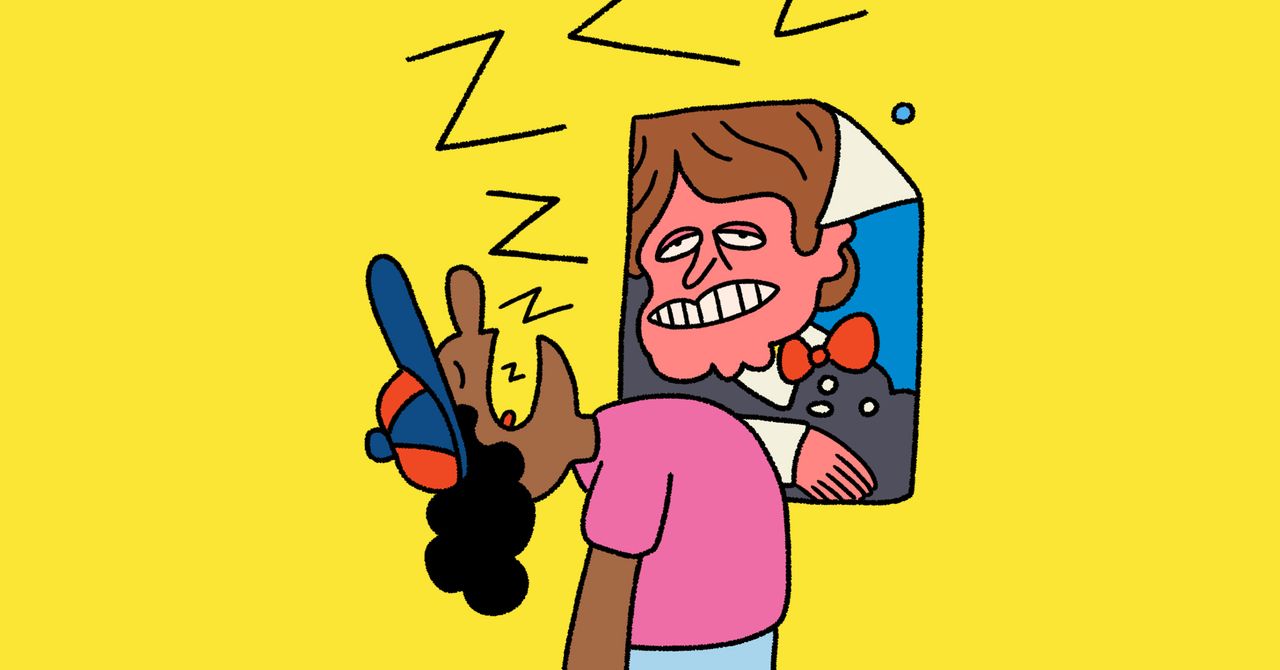
According to market research firm YPulse, 37 percent of teens aged 13 to 17 cringe when they see AI content like music and videos, and more than half worry about misinformation and deepfakes. A Pew Research report found that over a fourth of teens believe AI will have a negative impact on society in the next 20 years, citing job loss, the decline of critical thinking skills, and environmental impacts.
Why it matters
Unlike typical consumer technology adoption, young people are increasingly skeptical of AI even though many still use chatbots for schoolwork and other tasks. Communications professor Melanie Green notes that the moral panic is not coming from older generations this time—kids are turned off by the way AI is being pushed on them by adults and tech corporations, and they recognize that their generation will bear the consequences of AI disruption.
What to watch
Online communities show growing youth dismissal of AI marketing. On Bluesky, parents report their children use "that's AI" as slang for "that's BS," and on Reddit, educators share that students worry about AI's consequences and dislike the art it produces, even among those who use the technology.
Ask the AI about this article →
Summaries like this, in your inbox every morning.
The article captures a generational moment where youthful skepticism of AI defies the usual technology adoption pattern. Historically, young people have embraced new consumer technologies with enthusiasm while older generations worry. AI is reversing that dynamic: while adoption rates remain high—a majority of American teens use chatbots—genuine enthusiasm is thin. YPulse data showing that 37 percent of teens cringe at AI content, combined with Pew Research finding that over a fourth believe AI will harm society in the next 20 years, reveals not outright rejection but a split consciousness: pragmatic use alongside moral and practical concern.
The source of teen skepticism differs fundamentally from older-generation critiques. Melanie Green emphasizes that young people are not being lectured by parents or teachers about AI risk; instead, they are made uncomfortable by the aggressive marketing of AI by adults and corporations. This strikes at a deeper tension: teens recognize they lack agency in an AI-driven future despite being the demographic most affected by it. The cited concerns—job loss, erosion of critical thinking, environmental costs—are structural anxieties, not fears of an unfamiliar gadget. This awareness appears to fuel the cultural dismissal visible in online spaces, where the phrase "that's AI" has become shorthand for artificiality and BS, and educators report that even AI-using students express disgust at AI-generated art and worry about its societal consequences.
For example, today's edition would include:
AI-summarized, only the topics you pick — one digest a day via Email, Slack, or Discord.
Free · 30 seconds with Google · unsubscribe anytimeWhat is AIToday? →
Ask AI anything about this article. Q&As are published on this page for other readers too.
CrowdStrike rose 12% to $232.08, Zscaler 12% to $183.97, and Palo Alto Networks 11% to $366.40 in midday Monda…

J.P. Morgan says AI lets fraudsters mimic supplier communication patterns, voice and video more easily, so fra…

Anthropic CEO Dario Amodei published "We Must Pace the Frontier," urging AI labs to slow capability gains, and…

Anthropic CEO Dario Amodei called over the weekend for frontier AI companies to slow model progress, and OpenA…
Anthropic CEO Dario Amodei published a Saturday essay urging slower AI capability improvement, OpenAI CEO Sam…

Palantir and Nvidia are curbing the use of AI models over data fears, according to The Information, as cited b…