What happened
AWS released the Physical AI Toolchain on AWS, a publicly available collection of reference architectures, Infrastructure as Code and deployment automation, integrated with the NVIDIA Physical AI stack, so teams can move data, models, simulation jobs and deployment artifacts between stages reproducibly.
Why it matters
Robotics engineers and platform teams can avoid rebuilding infrastructure at every handoff, which is the part many teams spend time on; the cycle is meant to close the gap between simulation and the real world.
WHO IT HITSRobotics engineers, ML engineers, platform teams and solution architects building physical AI on AWS are the direct audience; industries such as manufacturing, warehouse logistics, energy, healthcare, mining, agriculture and aerospace are named as benefiting.
Summaries like this, in your inbox every morning.
Physical AI systems must sense, decide and act in a continuous loop in the real world. Models that score well offline can fail when they must control a 6-axis arm at 200Hz in a cluttered warehouse. Development has to account for physical dynamics, real-time constraints, sensor noise, safety boundaries, latency and the cost of hardware damage during real-world testing.
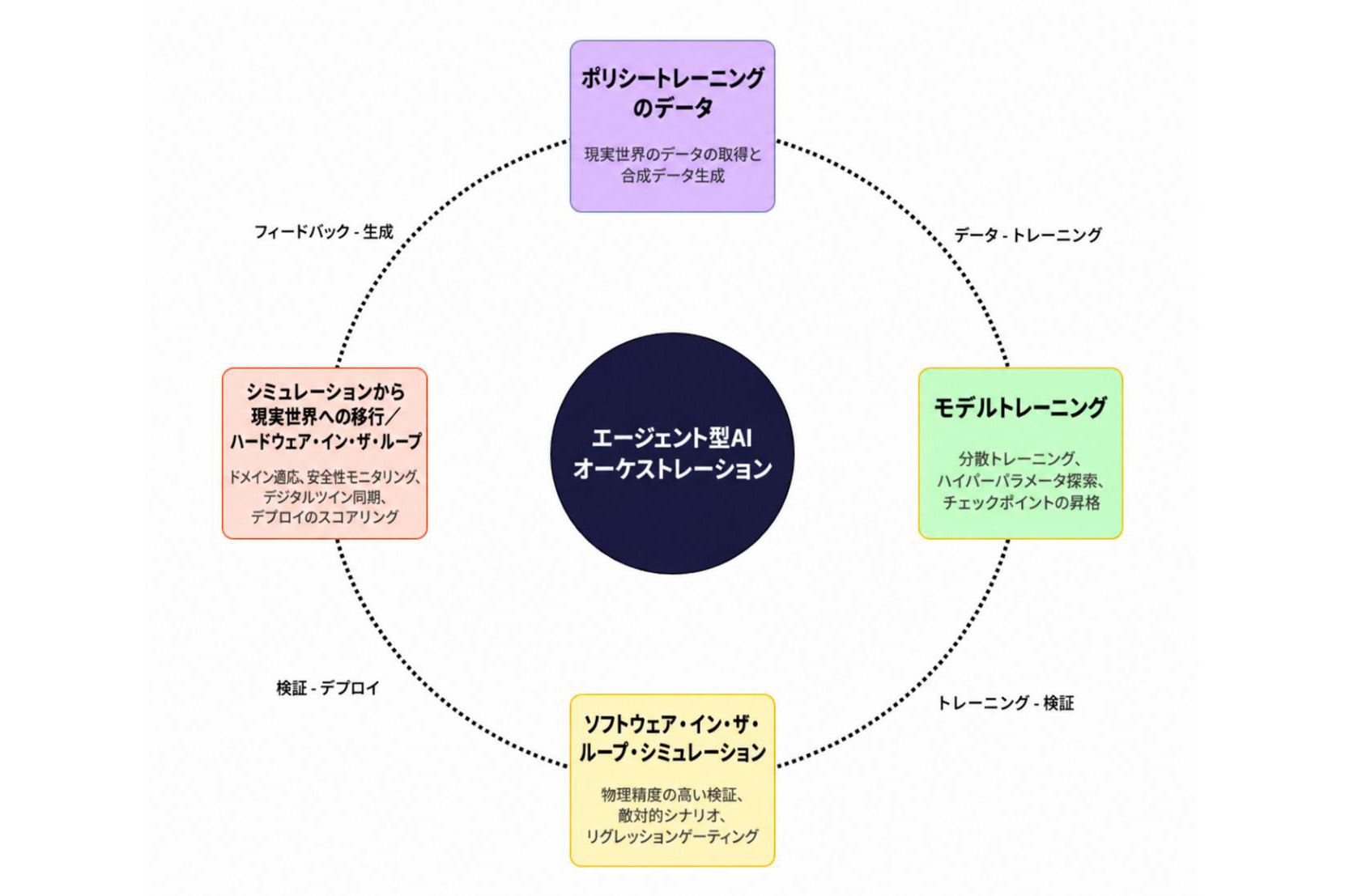
The lifecycle is circular: deployed robots generate new data and reveal edge cases. Those edge cases suggest new simulation scenarios. Simulation produces synthetic training data, and improved models are validated through progressively harder tests. Repeating this cycle narrows the gap between simulation and the real world with each iteration.
A toolchain in physical AI is a consistent, verified process from data ingestion through simulation to edge deployment, covering the handoff points where many teams spend time. The AWS release packages that process as a publicly available collection, so teams can move data, models, simulation jobs and deployment artifacts between stages reproducibly instead of rebuilding the foundation at every handoff.
Pick your industry and the AI tools you use, and get news related to your work every day.
Free · 30 seconds with Google · unsubscribe anytimeWhat is AIToday? →
Ask AI anything about this article. The AI reads this article, earlier AIToday articles, and Wikipedia, and cites its sources. Q&As are published on this page for other readers too.
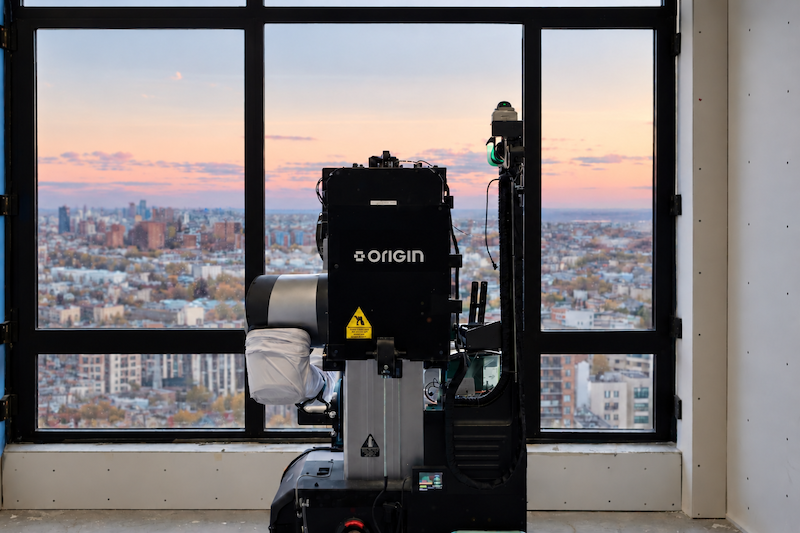
Origin exited stealth with $20 million in total funding co-led by Accel and Zacua Ventures, and its OG-1 robot…
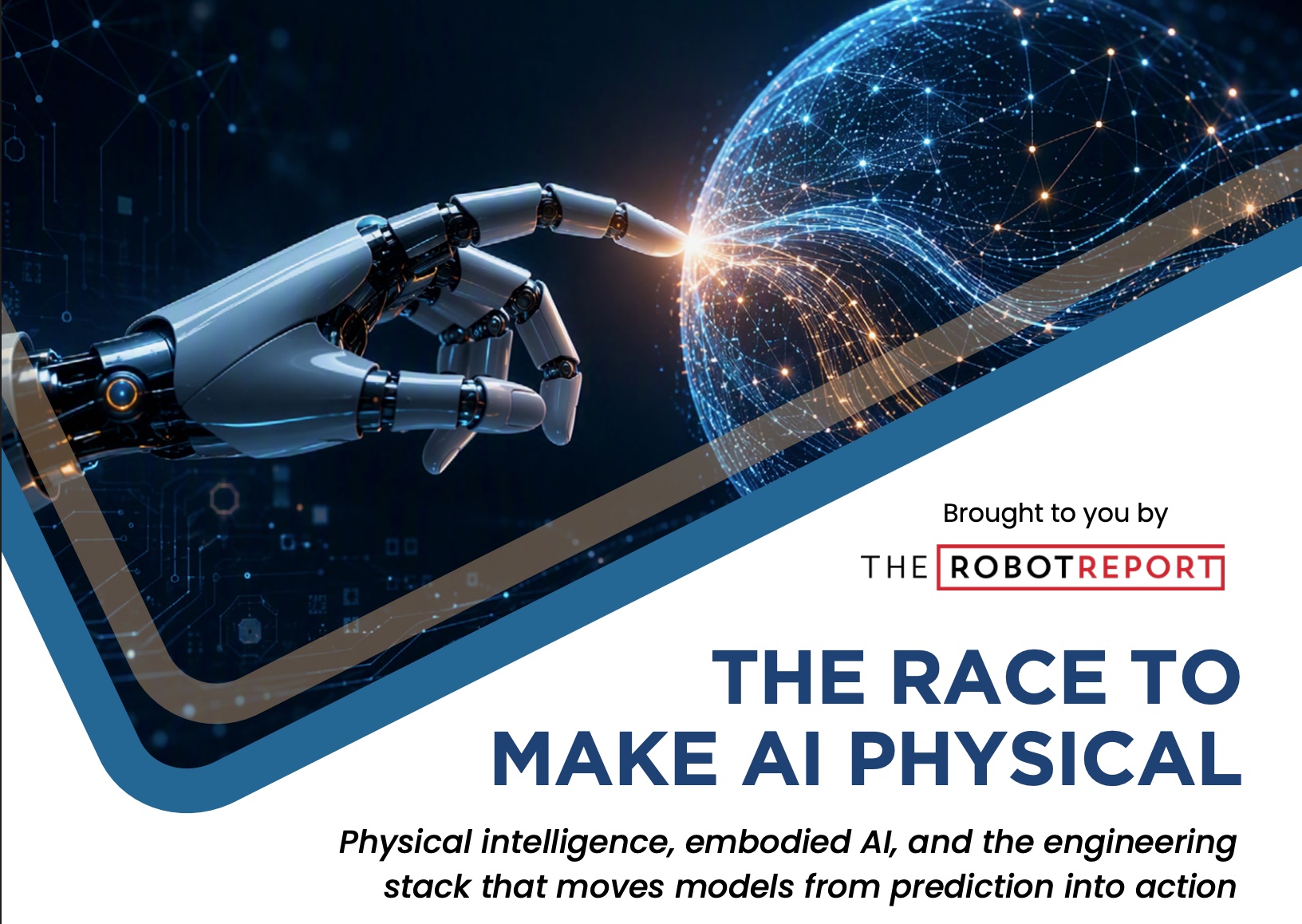
Analog Devices Inc. released a whitepaper on the race to physical AI, arguing that success requires advances a…
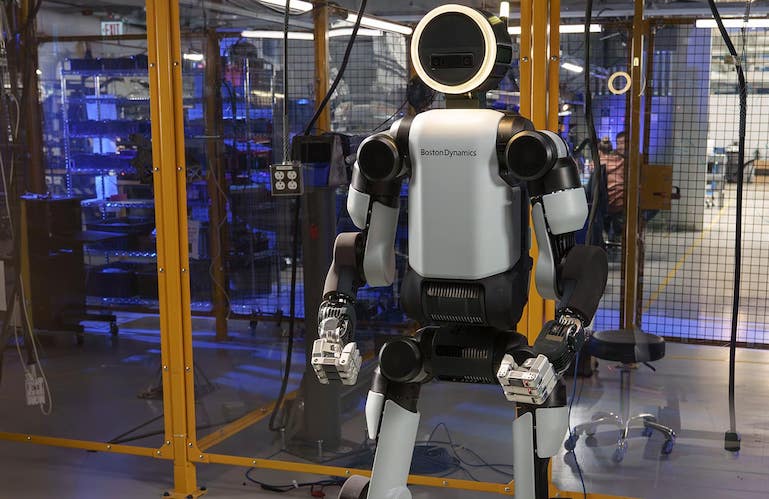
Boston Dynamics' Atlas, now all-electric and running on NVIDIA chips, autonomously sorts roof racks at Hyundai…
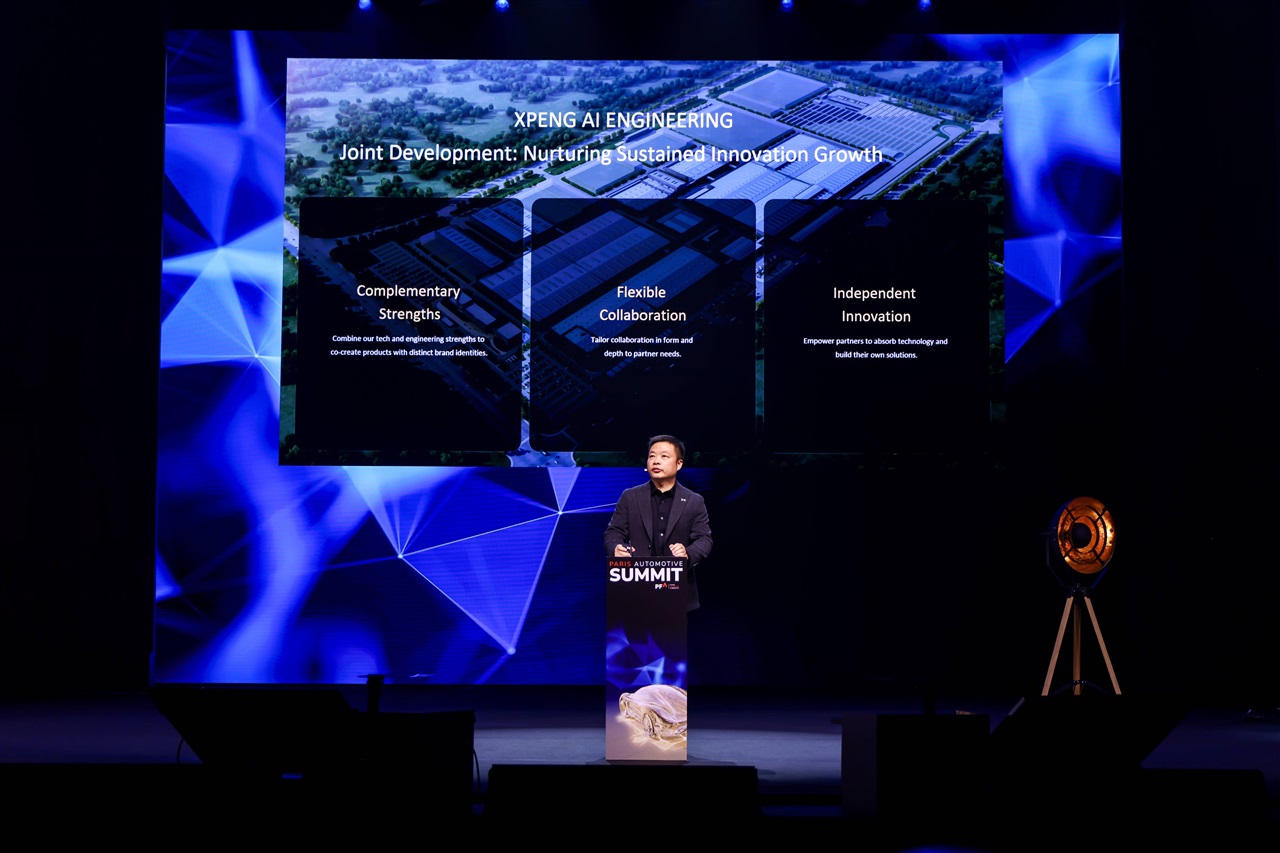
XPeng appeared at the Paris Automotive Summit, presenting not only automotive expertise but a broader technolo…
AIBotics completed its acquisition of NovaCore Labs' operating assets from PlayJamaica Limited, gaining 10 ser…

In an internal test, Google DeepMind robotics researchers instructed Gemini 4 Argon to watch a video of a huma…