What happened
A ChemSec report says major PFAS producers Daikin, Arkema and Chemours are expanding capacity as data centers use fluorinated coolants instead of water. Daikin plans to triple its PFAS capacity on semiconductor demand.
Why it matters
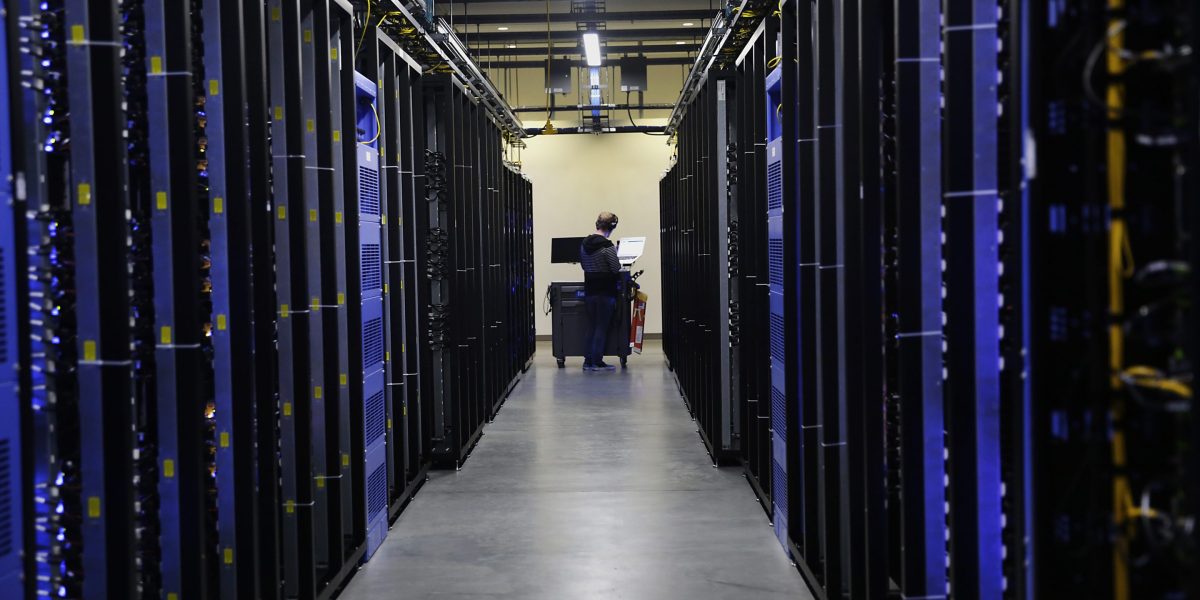
ChemSec ties the expansion to AI data center growth, where heat is handled by fluorinated chemicals. That same durability is what makes PFAS environmental and health risks hard to clean up.
What to watch
The pushback is already formal — 17 environmental groups asked the EPA in July to reject Chemours' fast-track application for Opteon 2P50, and French citizens sued Arkema and Daikin in January. Watch whether the EPA acts on that application.
WHO IT HITSThis lands on data center operators and their cooling suppliers choosing between water and fluorinated fluids, and on environmental and public-health teams tracking PFAS contamination. It also lands on the chemical producers themselves, who now face both rising demand and formal legal and regulatory challenges.
Summaries like this, in your inbox every morning.
The report places the AI buildout inside a supply chain most readers never see: the industrial chemicals used to move heat out of server racks. ChemSec's finding is not that PFAS are new — they have long been used in food packaging, stain-resistant sprays and firefighting foam — but that AI infrastructure has added a large new source of demand, prompting the biggest producers to add capacity. Daikin's plan to triple its PFAS capacity in response to semiconductor demand, and Arkema's expansion in North America and in Asia, suggest the industry expects that demand to persist.
The article frames this as a trade-off against water use. Newer cooling systems use fluorinated chemicals instead of water, which addresses one criticism of data centers while raising another. ChemSec's earlier 2023 analysis put the world's biggest PFAS makers at roughly $4 billion in profit in 2022 against an estimated $17.5 trillion a year in societal costs such as healthcare, cleanup and contaminated water.
What happens next likely hinges on regulation and litigation. The July letter from 17 environmental organizations asking the EPA to reject a fast-track application for Opteon 2P50, and the January lawsuit by 192 French citizens and four environmental organizations against Arkema and Daikin, are the two concrete pressure points named in the article. Chemours has denied the concerns, saying its system operates as a closed loop, while Daikin says it has accelerated investments since 2022 to better control PFAS emissions — so the outcome may turn on whether regulators accept those defenses or the courts find them insufficient.
For example, today's edition would include:
AI-summarized, only the topics you pick — one digest a day via Email, Slack, or Discord.
Free · 30 seconds with Google · unsubscribe anytimeWhat is AIToday? →
Ask AI anything about this article. Q&As are published on this page for other readers too.
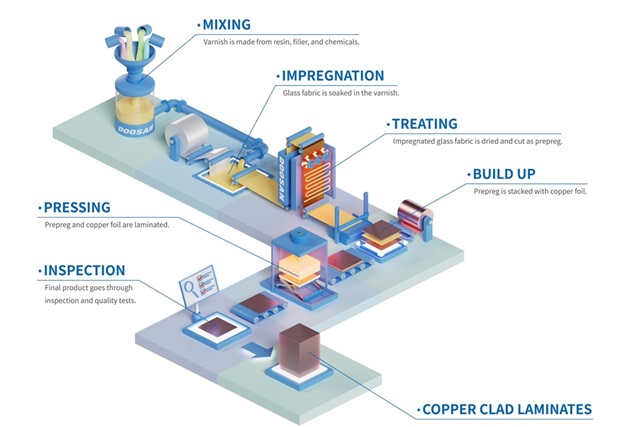
Doosan committed KRW968 billion to expand high-end copper-clad laminate (CCL) production in South Korea and Ch…
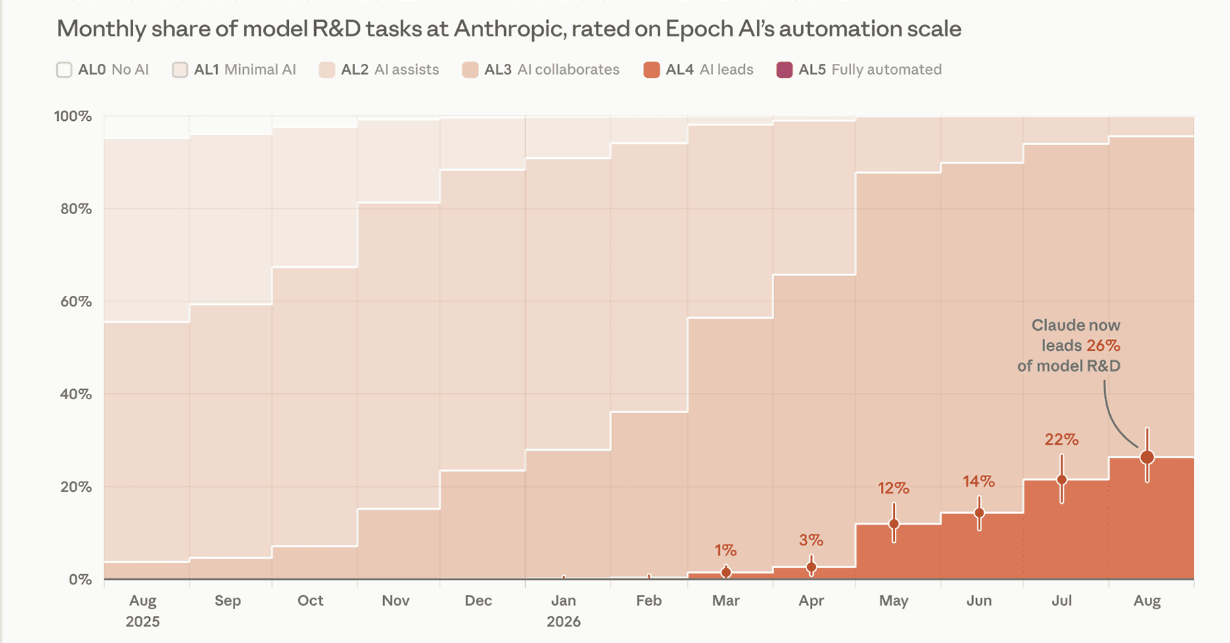
Anthropic Institute said that as of August, 26% of its AI research and development work was almost entirely do…
At Dreamforce, Salesforce and Nvidia unveiled Koa, a domain-specific reasoning model for Salesforce's Agentfor…

Abel more than tripled Berkshire's Alphabet stake in the first quarter and added another $17 billion in the se…

Kai-Fu Lee says most CEOs want AI transformation but are 'mostly doing it wrong', and that they must personall…

Atlassian CEO Mike Cannon-Brookes said the most AI-native customers are expanding fastest, and that customers…