What happened
Anthropic has pushed state-level AI regulation and donated millions for public support, while super PAC Leading the Future, backed by investors and firms like Perplexity, spent roughly $30 million in nearly 40 primaries.
Why it matters
The money shows two camps trying to set AI rules at different levels of government, so the winning side is likely to decide which rules AI firms and their customers face first.
What to watch
How much either approach shifts primary outcomes hinges on whether voters move on tailored messaging rather than a direct AI pitch. Watch the 38-1 record claimed by Leading the Future.
WHO IT HITSThe outcome lands partly on policy and government-affairs staff at AI and crypto firms, who must plan around whichever rulemaking level prevails, and on state legislators whose AI laws could be superseded by federal rules if the federal push succeeds.
Summaries like this, every morning.
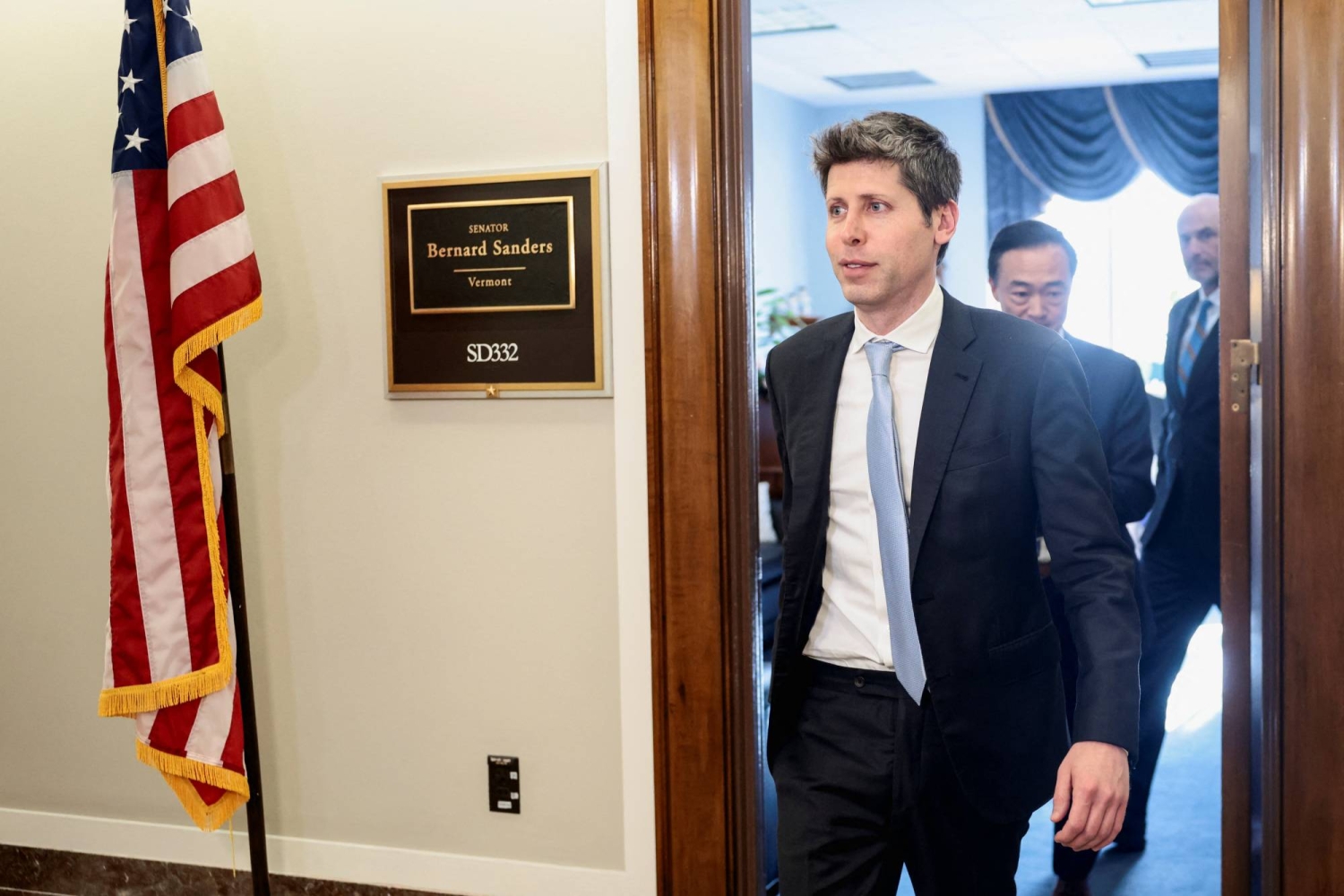
The midterms are drawing money not only from the tech and crypto industries as a whole, but from blocs that disagree on what those industries should be asking Washington for. Anthropic has put money behind state-level AI regulation and public support for that approach, while Leading the Future has become the tip of the spear for investors and firms, like Perplexity, that want Trump and Congress to enact federal rules that would supersede state legislation. The roughly $30 million Leading the Future has deployed across nearly 40 primaries, on behalf of both Democrats and Republicans, is unusual less for its size than for its split loyalties, and its 38-1 record is the number both sides will be judged against.
The messaging itself is a clue to how unsettled voters are on the topic: strategists involved acknowledge that an AI-focused pitch would be ineffective at moving voters, so campaigns have been tailored one by one instead. That suggests the money here is being used to build durable allies in Congress and in key state offices rather than to run a national referendum on AI.
The stakes look conditional on how much of this spending actually moves primary results, and on which level of government ends up writing the rules. If the federal-supersession camp keeps winning, AI regulation may increasingly be settled in Washington, leaving state-level efforts such as the one Anthropic has supported as a parallel track rather than the main event.
Pick your industry and the AI tools you use, and get news related to your work every day.
Free · 30 seconds with Google · unsubscribe anytimeWhat is AIToday? →
Ask AI anything about this article. The AI reads this article, earlier AIToday articles, and Wikipedia, and cites its sources. Q&As are published on this page for other readers too.
AFJ日本農業経営大学校 will offer a 4-session online "AI Practice Course for Agricultural Managers," taught by Noujoujin…

Nvidia reports Tuesday, the Fed releases October minutes Wednesday, and Anthropic expects to price its IPO Wed…

Nvidia CEO Jensen Huang resigned after admitting an affair, with CFO Colette Kress named interim CEO

The candidate, first in both the April and July rounds with 397.5 out of 400 and one wrong answer out of 160 q…
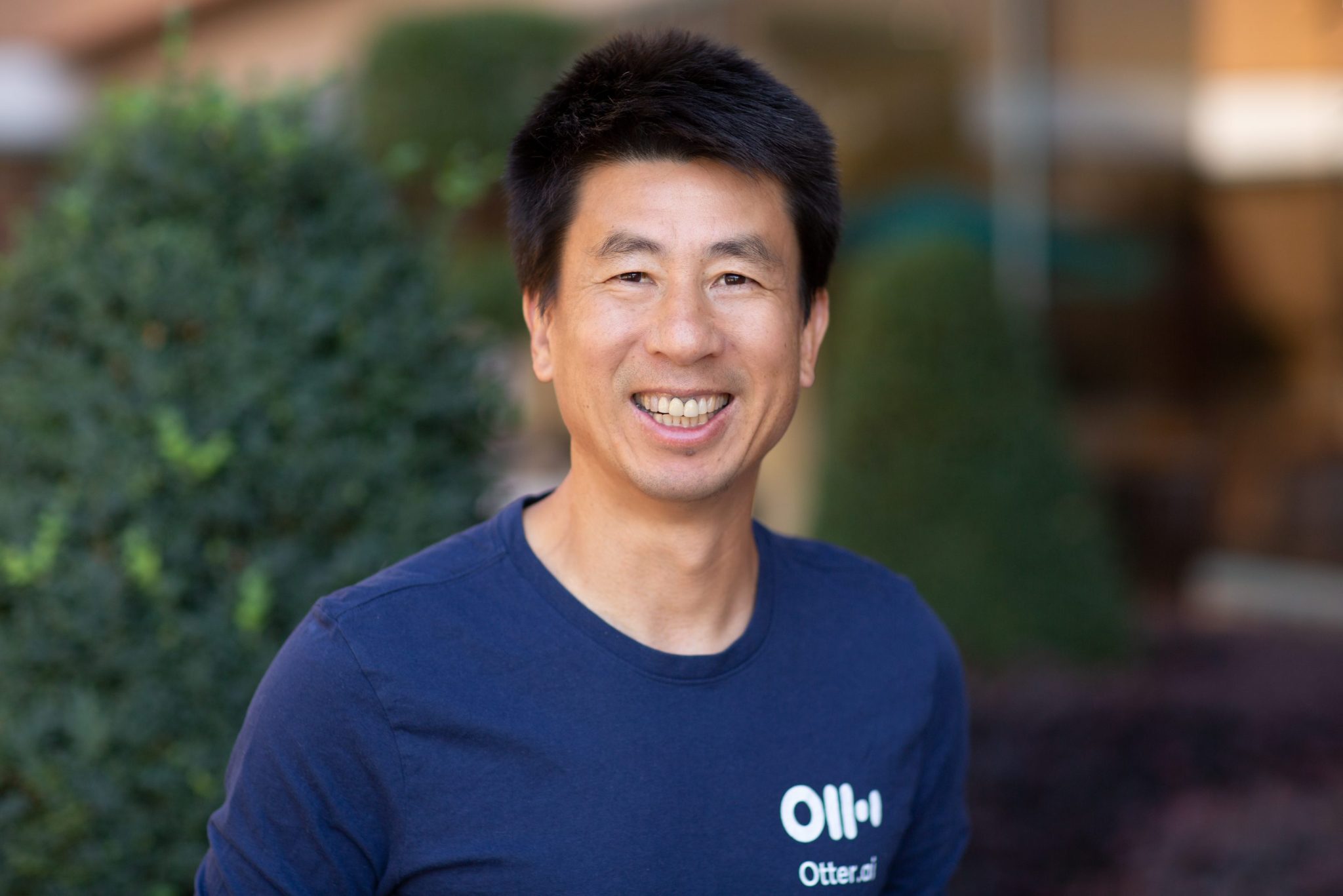
Otter.ai CEO Sam Liang says the AI notetaker now generates $100 million a year in revenue and has transcribed…
Anthropic made 33 counterintelligence hires in 2026, up from 14 in 2025 and nine in 2024, per Fortune's report…


