What happened
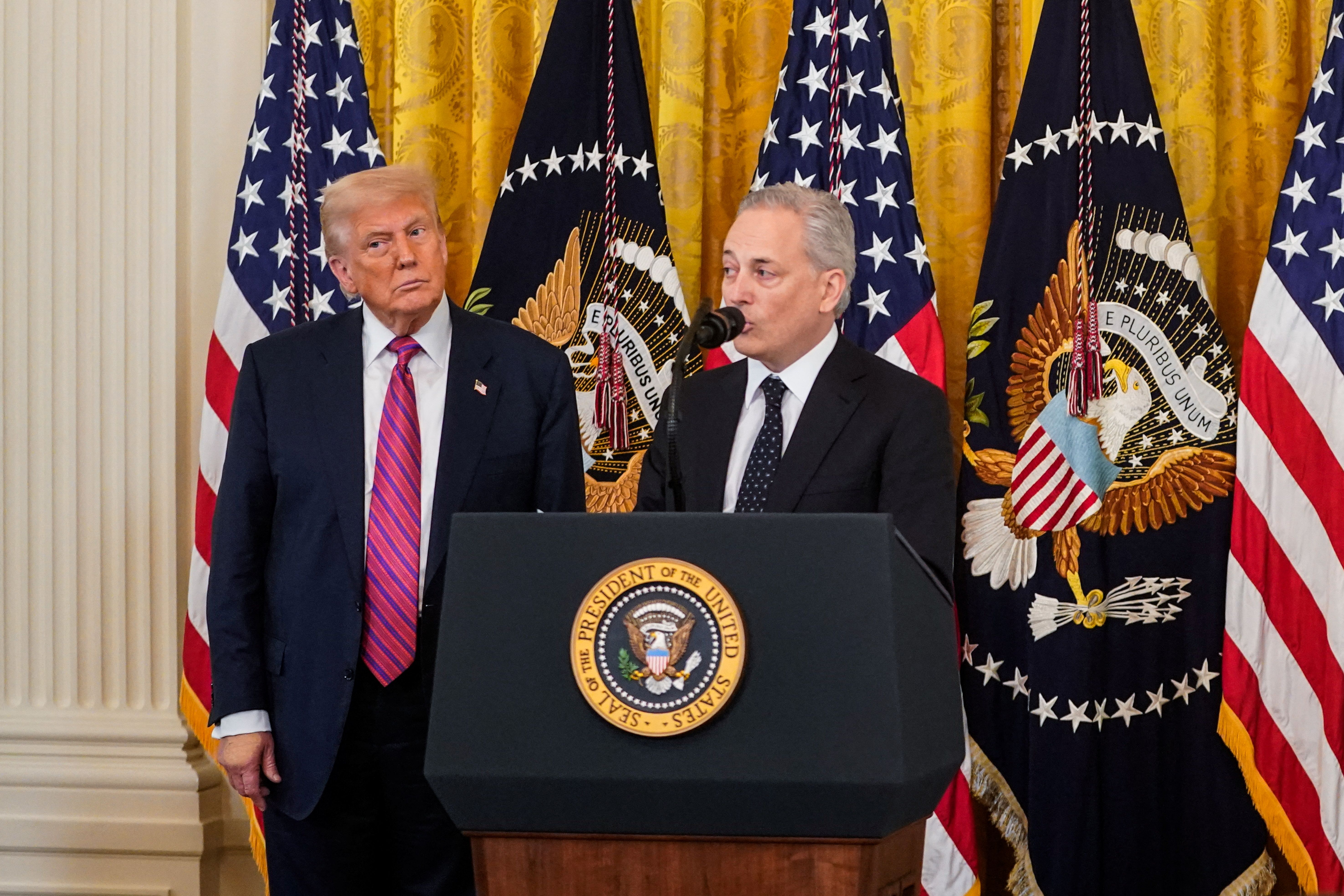
The White House discussed a framework for evaluating cybersecurity risks of frontier AI models with OpenAI and Anthropic, but plans to keep the details private. Frontier labs are being asked to submit their most powerful models for assessment 30 days before releasing them.
Why it matters
The secrecy has drawn criticism from AI safety advocates, who argue that keeping the approval process hidden does not inspire confidence in the government's ability to evaluate models and keep people safe—pointing to how pharmaceutical and automotive safety tests are conducted publicly. However, the framework reflects an early-stage effort: we still don't know exactly how large language models work or whether they can be completely controlled, and there is no expectation an AI model can truly be certified as "safe," since the technology is used in literally every industry.
What to watch
The real purpose of the guidelines appears to be giving the US government a head start on what's coming with AI, which could be strategically valuable for offensive cyber capabilities and defenses. The challenge ahead is learning how to regulate a technology where mistakes could theoretically result in humanity losing control—something no lab, nonprofit, or government agency can fully address.
Summaries like this, in your inbox every morning.
The White House's decision to keep its AI security framework confidential sits at the intersection of innovation speed and public accountability. The framework represents an early attempt by the US government to establish oversight of frontier AI models before they reach the public—a preventive rather than reactive approach. However, the secrecy contradicts established practice in regulated industries: the article notes that pharmaceutical approvals and vehicle safety tests are conducted openly, and AI safety advocates argue that public scrutiny strengthens rather than weakens confidence in government oversight.
The underlying tension reflects genuine uncertainty about AI itself. The article emphasizes that we still do not know exactly how large language models work or whether they can be completely controlled. This uncertainty cuts both ways: it justifies caution and early government engagement, but it also undermines claims that any framework can truly "certify" an AI model as safe. Since the technology is embedded in literally every industry, no single lab or agency can address the possibility that AI models could one day become so powerful that humanity loses control. The White House's private approach may be pragmatic—giving the US a head start on cyber defense—but it leaves unresolved the deeper question of how to regulate a technology where the worst-case scenario cannot be fully prevented.
Pick your industry and the AI tools you use, and get news related to your work every day.
Free · 30 seconds with Google · unsubscribe anytimeWhat is AIToday? →
Ask AI anything about this article. The AI reads this article, earlier AIToday articles, and Wikipedia, and cites its sources. Q&As are published on this page for other readers too.
A Zenn contributor sorted AI use into three modes — AI as an assistant, AI running alongside people, and AI th…

A developer released agent-guardrails, a one-script Python standard-library plugin that guards Bash, Write, Ed…
A Qiita article compared automated red-teaming methods for LLM apps — GCG, PAIR, and TAP — using mock implemen…

Taiwan is considering much stricter export controls on AI chip sales to China, part of a greater alignment wit…

In a webinar hosted by French Mathematical Society president Isabelle Gallagher, Fields Medal winner Hugo Dumi…
Anthropic said on October 15 it has started giving METR's six staff company devices, office space and access t…