What happened
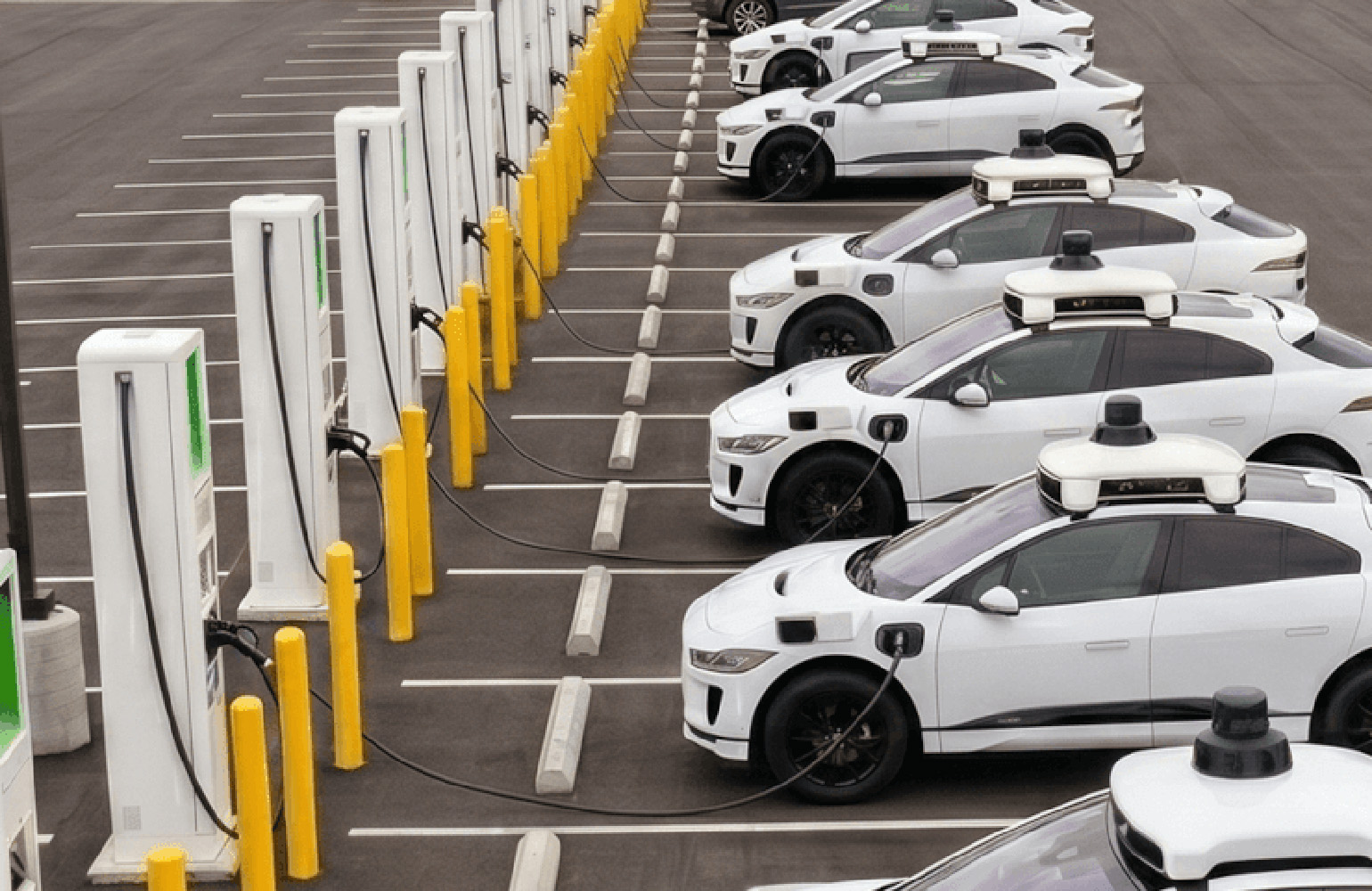
Moove announced a $250 million Series C funding round, valuing the company at $2.1 billion. The funds will support expansion of autonomous fleet ownership, robotics-first depot infrastructure called "Nests" (where Moove will charge, service, maintain, and orchestrate fleets), and new market launches globally. Moove plans to grow its autonomous vehicle workforce by more than 220% by the end of the year, from around 150 employees to 500.
Why it matters
Autonomous vehicles alone cannot scale without physical infrastructure and operational systems. Moove is building the capital, fleet, charging, maintenance, and 24/7 operations backbone that autonomous mobility networks need. Co-founder Ladi Delano framed infrastructure as the decisive layer—just as the internet required data centers and AI required compute, "autonomy requires fleets, charging, maintenance, data systems and 24/7 operations in every city." Moove already operates approximately 42,000 human-driven vehicles across 29 cities in 13 countries and runs autonomous fleet operations in Phoenix and Miami through a partnership with Waymo, positioning it to translate that operational expertise to autonomous networks.
What to watch
Moove's expansion timeline is aggressive—it aims to grow its autonomous vehicle workforce to 500 by end of year and has announced future autonomous operations in London alongside existing live operations in Phoenix and Miami. The round's backers include strategic long-term investors (Mubadala, Woven Capital, Toyota's Growth Fund) alongside major financial firms (BlackRock, Franklin Templeton, MUFG) and mobility players (Uber), signaling institutional confidence in the infrastructure-first model.
Summaries like this, in your inbox every morning.
Moove's $250 million raise reflects a strategic shift in how the autonomous vehicle industry is being financed and built. Rather than betting solely on vehicle technology breakthroughs, major institutional investors—including strategic backers like Toyota's Growth Fund and Woven Capital, plus financial players like BlackRock and MUFG—are now backing the operational and physical infrastructure layer that independent fleet operators will depend on. Moove's advantage is that it already operates at scale: with 3,300 employees and 42,000 vehicles across 13 countries, the company has real-world experience in fleet orchestration, maintenance, charging logistics, and 24/7 operations. Co-founder Ladi Delano's framing of autonomy as an "infrastructure race" parallels how past tech revolutions required foundational layers—data centers for the internet, compute for AI—rather than relying on device makers alone. For Moove, that experience in human-driven mobility becomes a direct input to autonomous fleet management: the capital structures, operational playbooks, and service networks it has built can be repurposed and extended for autonomous systems.
Pick your industry and the AI tools you use, and get news related to your work every day.
Free · 30 seconds with Google · unsubscribe anytimeWhat is AIToday? →
Ask AI anything about this article. The AI reads this article, earlier AIToday articles, and Wikipedia, and cites its sources. Q&As are published on this page for other readers too.
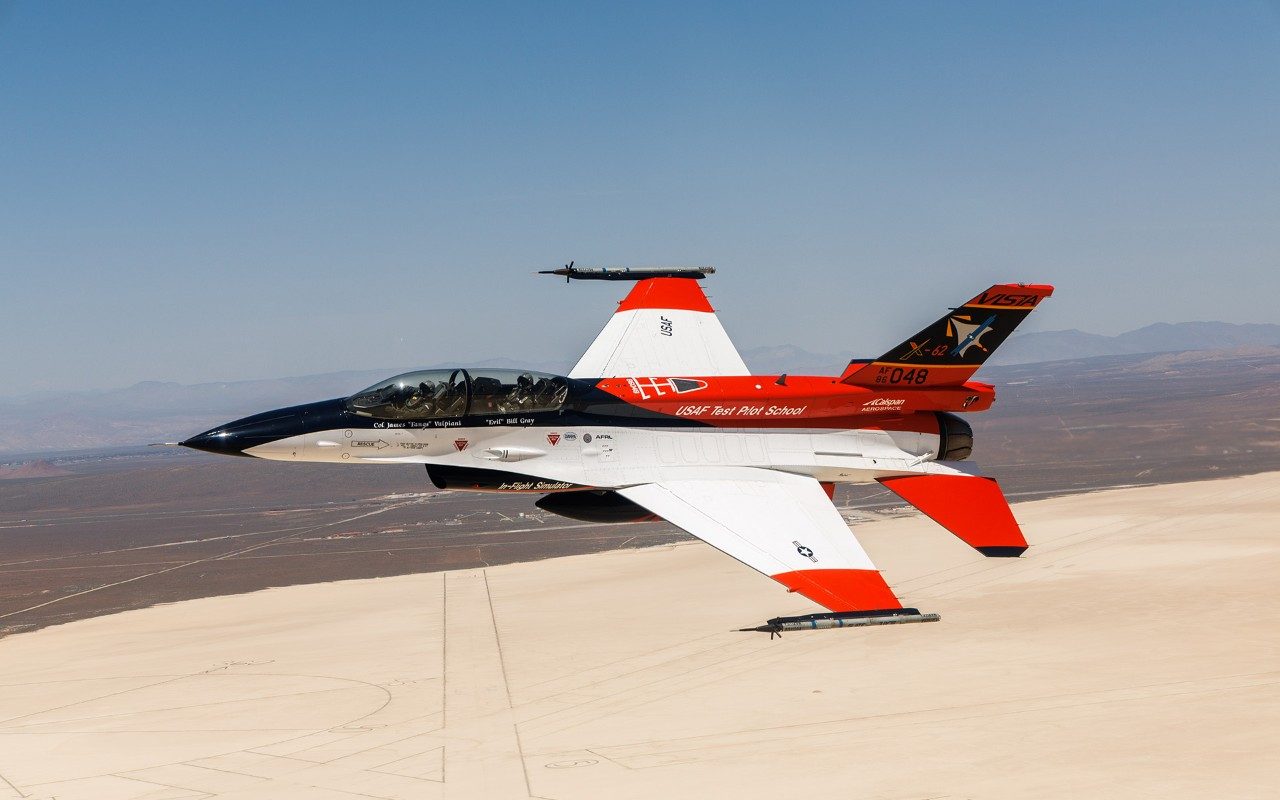
The Air Force upgraded the X-62 VISTA with advanced radar, expanded sensors and computing, and modern network…
Toyota Motor's Japan Mobility Show Bizweek 2026 booth centers on its AI basketball robot CUE7, has no other ex…
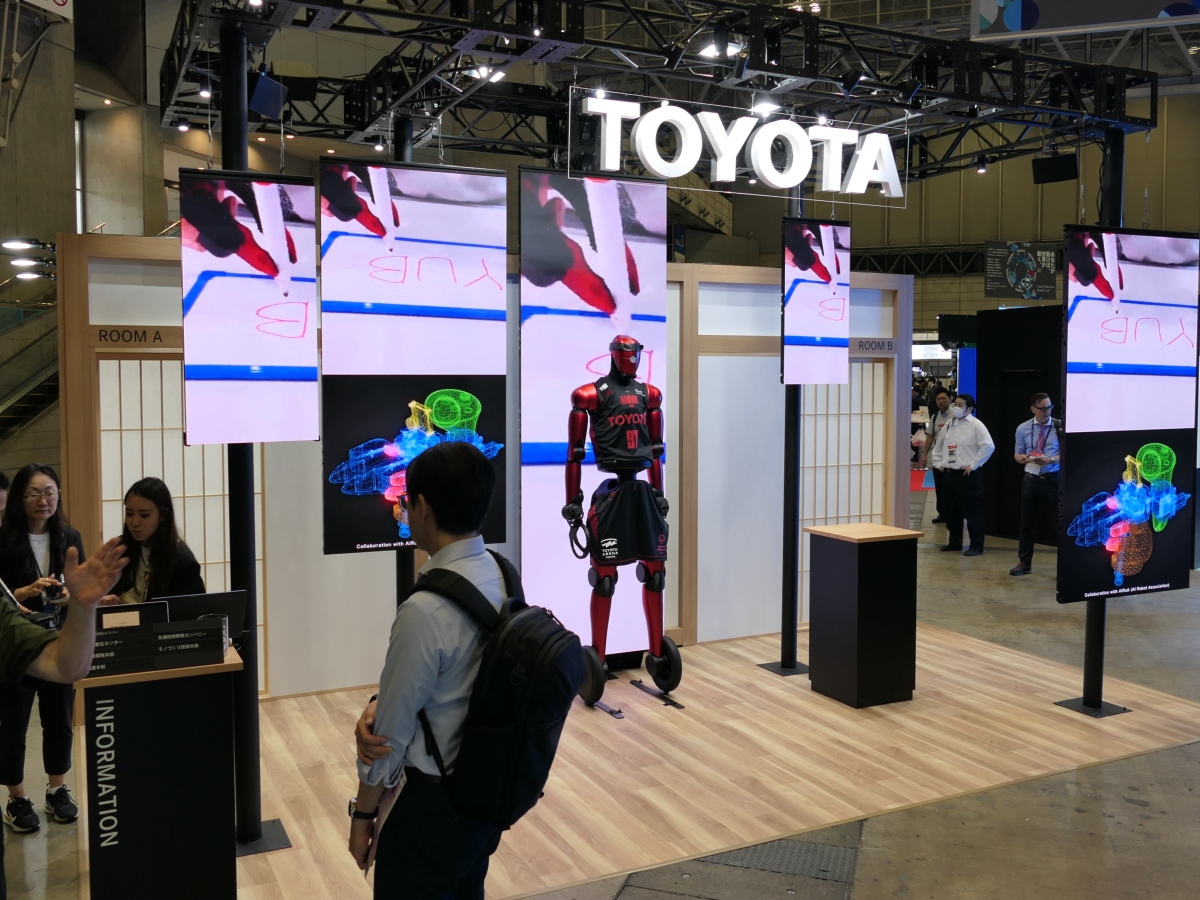
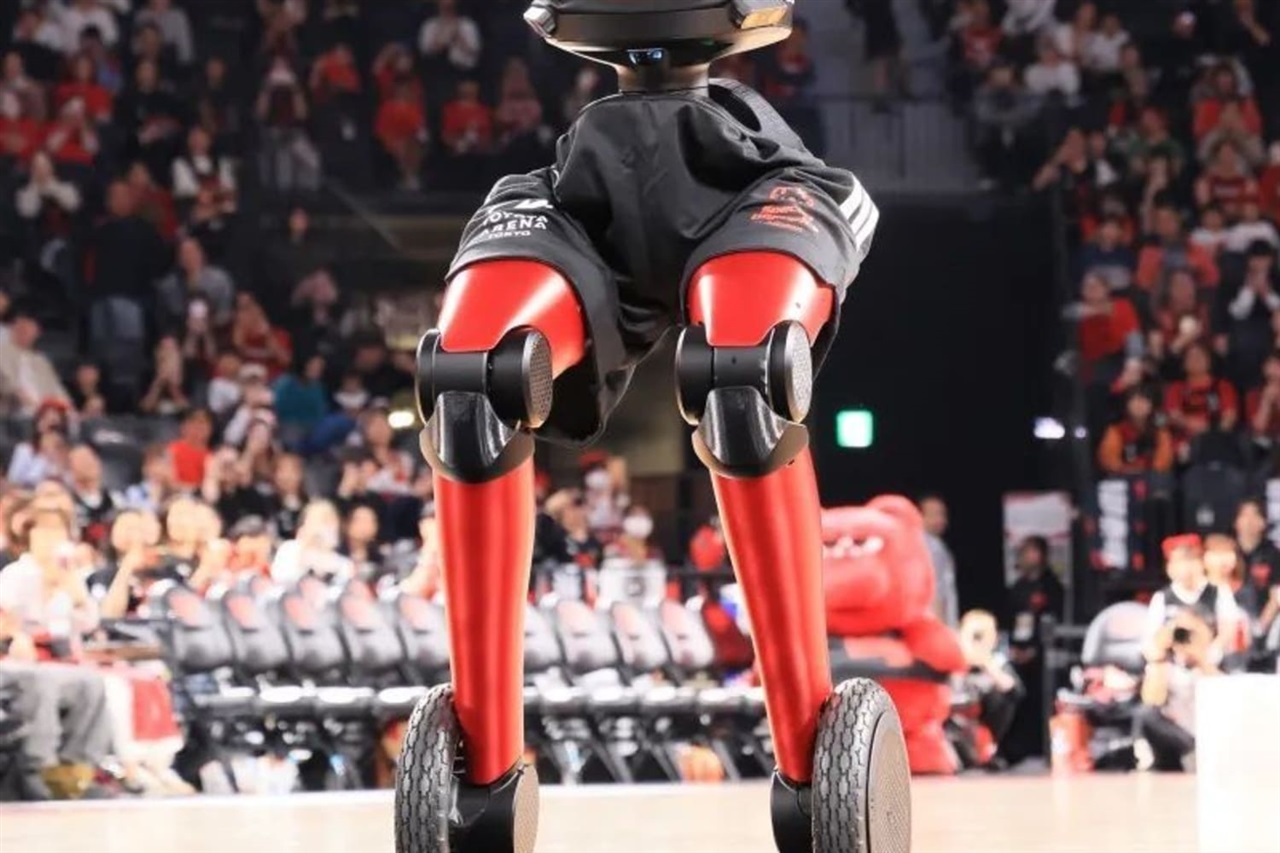
Japan Mobility Show Bizweek 2026 showcased Physical AI applications, including Toyota's basketball-playing rob…
Google pitched Gemini 4 Argon as one model for robot control, simulation and training-data review, saying it s…

Researcher Sammy Azdoufal discovered Energize Lab's Eiliko robot stores 13 million conversations from 68,000 t…

ZOZO NEXT and AVITA signed an MOU on joint research into textiles and clothing specialized for humanoid robots…