What happened
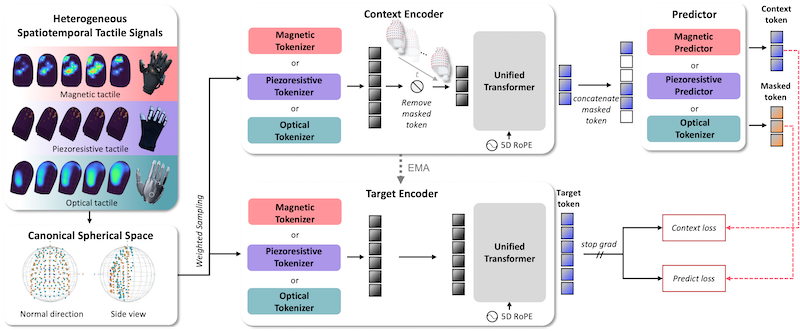
Robbyant released LingBot-Touch, pre-trained on nearly 5,000 hours of real-world tactile data across magnetic, visual and piezoresistive sensing, with code and a technical report on Hugging Face and GitHub.
Why it matters
The unified tactile representation lets different dexterous hands and action models share touch understanding, so teams may avoid re-collecting data and retraining each time hardware changes, according to Robbyant.
WHO IT HITSRobotics teams and hardware vendors integrating dexterous hands can adopt LingBot-Touch as a general-purpose perception layer, potentially reducing integration work when sensors or hands change.
Summaries like this, every morning.
Robbyant's release addresses a practical bottleneck in robot touch: commercial tactile sensors vary widely in how they capture contact, and a model trained on one sensor type often struggles to reuse that experience when the hardware changes. LingBot-Touch tackles this by providing separate encoding pathways for magnetic, visual and piezoresistive sensing, then mapping contact points into a shared fingertip coordinate space. That design lets data from human-worn tactile gloves and teleoperated hands train the same model, and allows different action models to extract contact features without being tied to Robbyant's own policies.
The performance figures come from 26 real-world tests across two dexterous hands, Sharpa Wave and XHand. On XHand, the magnetic tactile sensor was not part of pre-training; all magnetic experience came from human glove data, and the team kept LingBot-Touch parameters unchanged while training only the action model — a test of whether the learned representation transfers across hardware. The lightweight Tiny version, at about 5.3 million parameters, was used for all 26 tests, suggesting the approach is intended to fit on-device compute constraints rather than only in simulation.
By open-sourcing the model and technical report, Robbyant positions LingBot-Touch as a general-purpose perception layer between sensors and action models, rather than a module for a specific platform. That could lower integration costs for hardware vendors and robotics teams, though the body does not detail commercial terms or availability beyond Hugging Face and GitHub.
Pick your industry and the AI tools you use, and get news related to your work every day.
Free · 30 seconds with Google · unsubscribe anytimeWhat is AIToday? →
Ask AI anything about this article. The AI reads this article, earlier AIToday articles, and Wikipedia, and cites its sources. Q&As are published on this page for other readers too.
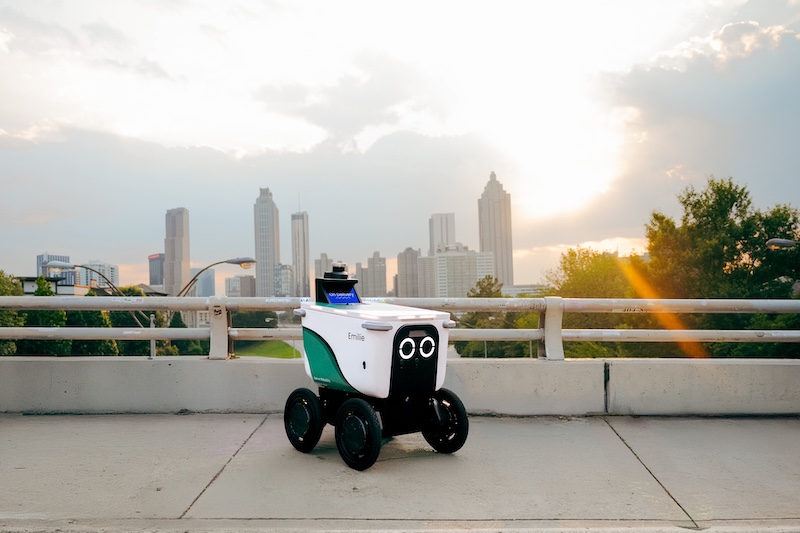
Serve Robotics launched the AV Delivery Developer Portal, including a public API and sandbox, letting anyone d…
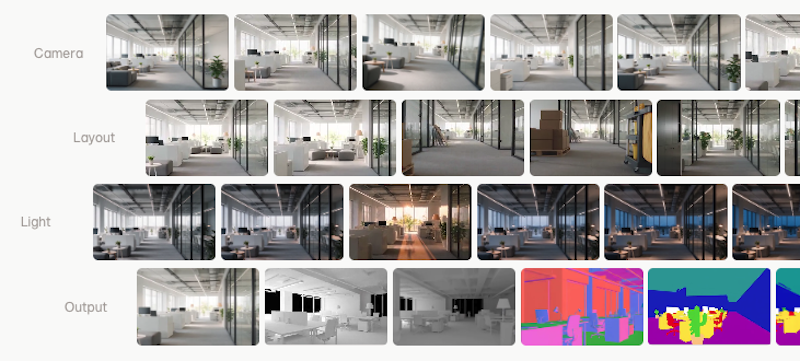
Physicl raised $10 million in seed funding led by Inovia Capital, with US Venture Partners participating, and…
Zacua Ventures closed its second fund at $135 million, more than doubling its first $56 million fund, with Fun…

PostgreSQL 19 RC2 was published on November 12, after beta 4 in late September reverted features including SQL…

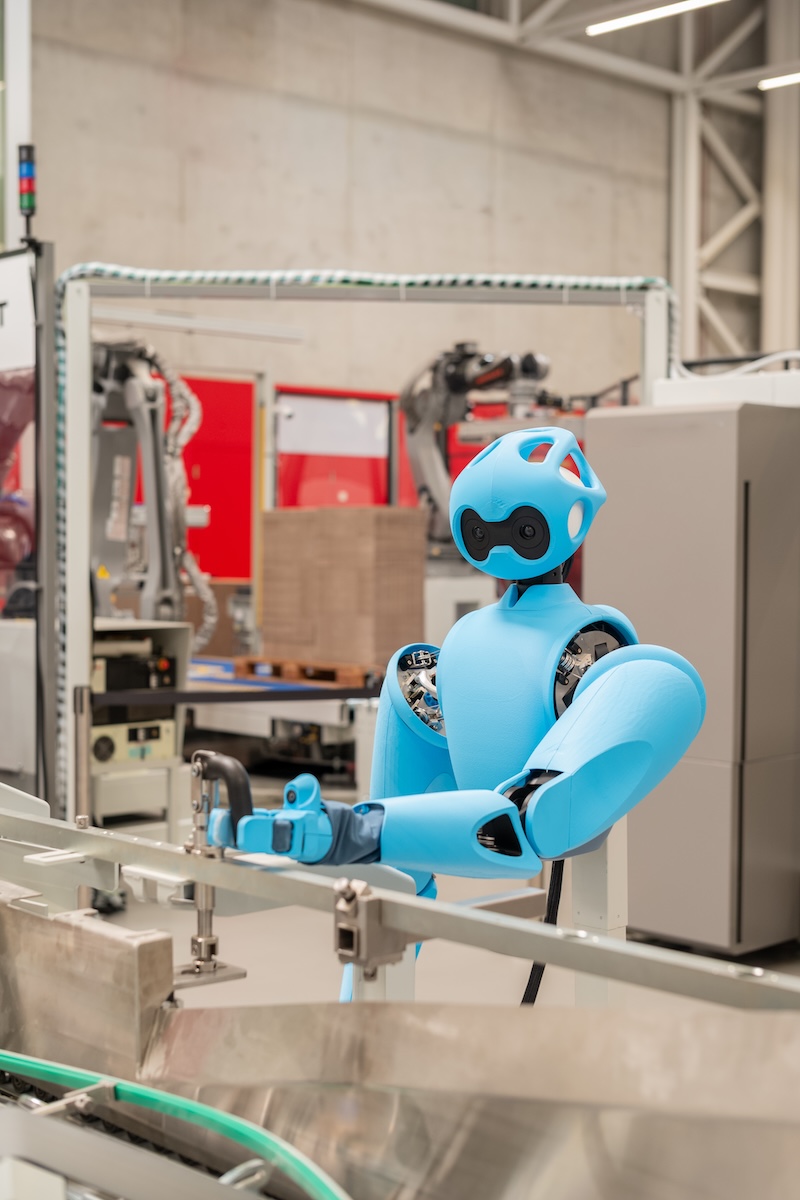
Embodied AI unveiled AIR at Humanoid Europe 2026
Meituan released the weights for LongCat-2.5, a 1.6-trillion-parameter agent model trained on Chinese hardware…