
What happened
OpenAI, Google, Microsoft, and Anthropic say they will adopt a shared "policy token" in robots.txt, proposed by Anthropic's Kevin Kelley via the IETF, so publishers can apply AI training preferences across multiple companies at once.
Why it matters
Today sites must signal AI training preferences separately to each company; the shared signal would let one setting reach multiple AI crawlers, and the companies say they will restrict crawlers that encounter it.
WHO IT HITSPublishers and website operators who currently configure AI scraping preferences company by company would gain a single robots.txt setting that the four named AI companies say they will honor. Meta's Andy Stone signaled support but did not say whether Meta will honor it.
Summaries like this, every morning.
The announcement lands as publishers contend with a continuing influx of AI crawlers scraping their sites and feeding content into AI models. Some organizations have already tried other routes: the Really Simple Licensing (RSL) standard lets publishers charge crawlers that visit their sites, and Cloudflare blocks AI crawlers by default. The shared token is a different approach, aiming to replace per-company preference settings with one signal in robots.txt that multiple providers read. The four companies say they will restrict their AI crawlers from accessing a site if they encounter the shared token. Meta communications head Andy Stone signaled support for the new setting but did not say whether the company will honor it, saying only that a common signal conveying preferences to multiple providers at once is an important step. Microsoft adds that it will offer granular controls letting publishers opt out of AI training or AI grounding, the process of pointing a model to a verified source to reduce hallucinations, while noting sites will still appear in Bing search results. Google previously implemented similar controls without impacting search visibility. Timing differs: Anthropic has already adopted the signal, Google and Microsoft plan to support it next year, and OpenAI says it will implement it in the "coming months."
Pick your industry and the AI tools you use, and get news related to your work every day.
Free · 30 seconds with Google · unsubscribe anytimeWhat is AIToday? →
Ask AI anything about this article. The AI reads this article, earlier AIToday articles, and Wikipedia, and cites its sources. Q&As are published on this page for other readers too.
Dulo Inc., co-founded by Sebastian Thrun and Adrian Aoun, raised $130 million, with backers including former G…
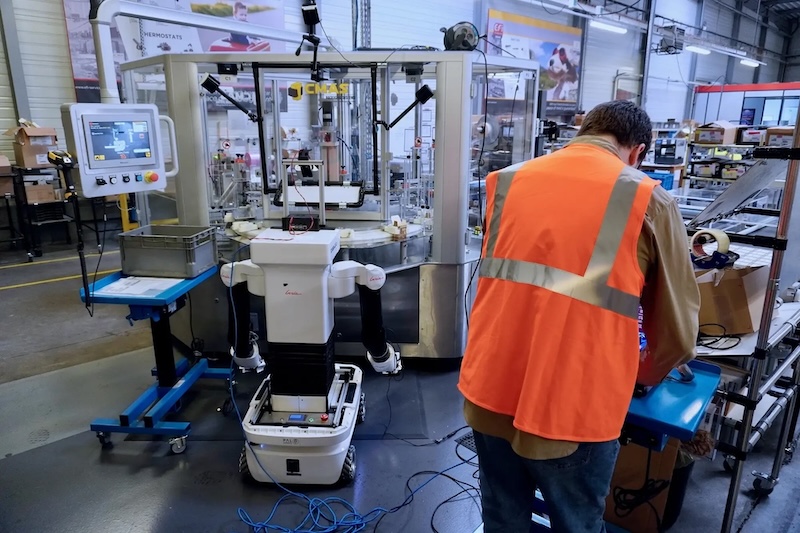
Bleu Robotics raised a €5 million pre-seed round co-led by Contrarian Ventures and OVNI Capital, with particip…
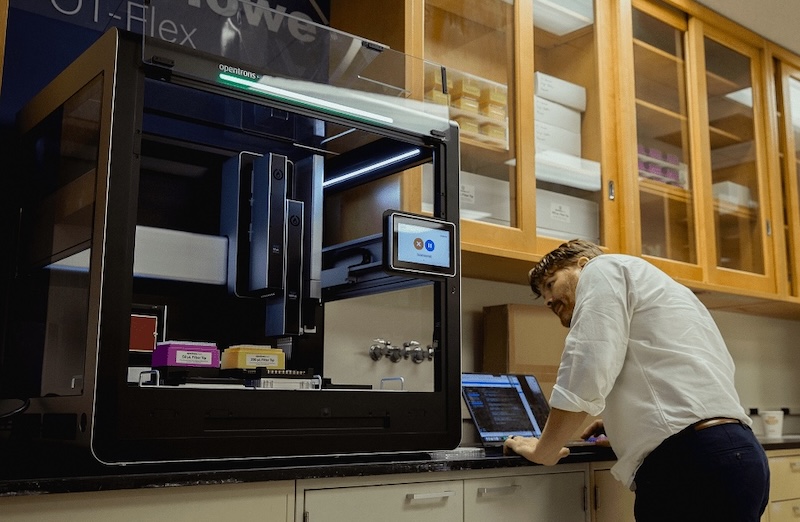
Opentrons Labworks closed a $40 million Series E led by healthcare investor Avego, with BroadOak Capital Partn…
Walmart and Symbotic expanded their commercial agreement to bring more automation to 25 US regional distributi…

Dartmouth provost David Schnell resigned after it emerged he used AI extensively—including GPT-5.6 Pro—in a Se…

Alphabet, Amazon, Meta, and Microsoft plan more than $740 billion in capex this year