What happened
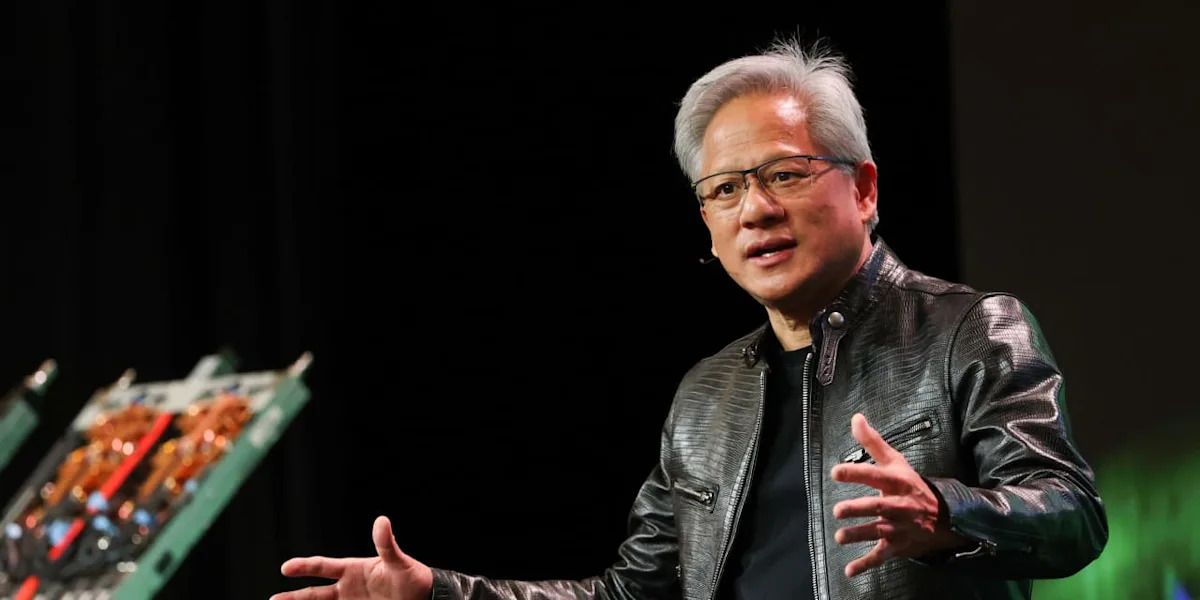
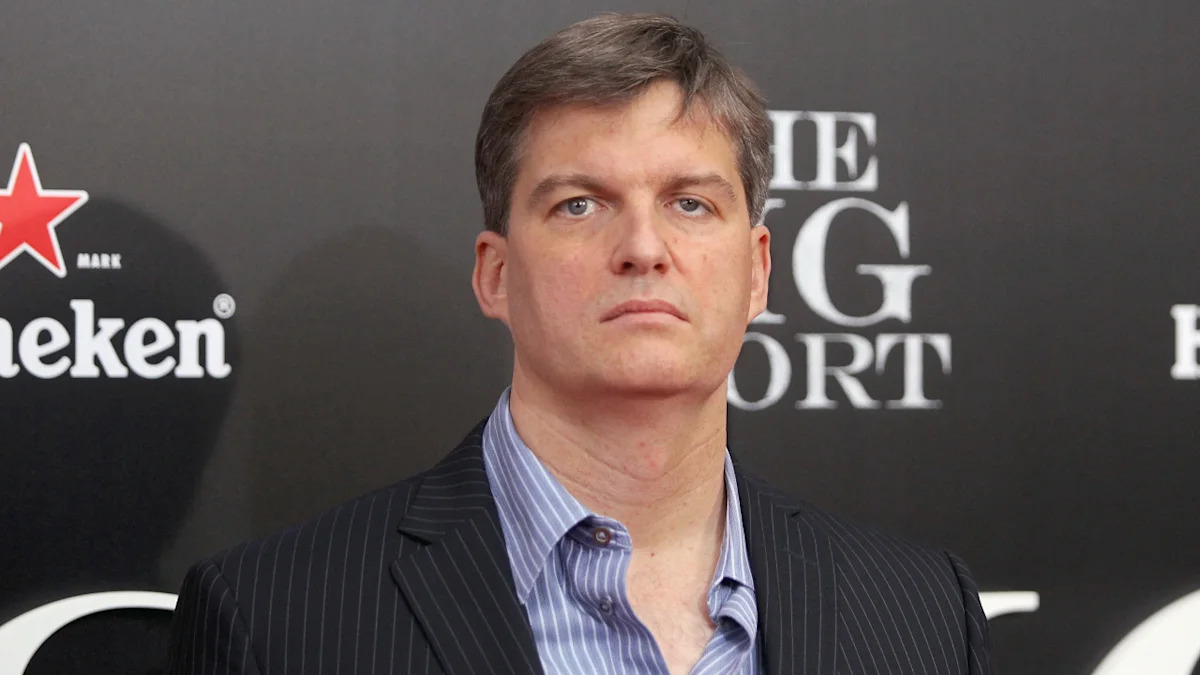
Michael Burry, the investor famous for The Big Short, added to his short positions in Nvidia, Palantir, Oracle, and Caterpillar while increasing his stake in Molina Healthcare at $198 per share. He raised his Nvidia bets through put contracts expiring in December 2026 and June 2027 with strikes in the low $100s.
Why it matters
Burry argues Nvidia's $500 billion financing platform for AI projects mirrors the risky debt dynamics that fueled the 2008 financial crisis, now centered on the AI boom. He views Molina Healthcare as significantly undervalued—the stock has fallen 54% from its March 2024 peak of more than $419—and compares its long-term potential to Geico before Berkshire Hathaway's investment transformed it.
What to watch
Molina Healthcare was trading around $200 at publication after Burry brought his position back to the size of his largest holdings. His Nvidia puts expire in December 2026 and June 2027, making those dates key markers for how his bearish AI infrastructure thesis plays out.
Summaries like this, in your inbox every morning.
Burry's latest moves reveal a striking split in his conviction: deep skepticism about the valuation and financing structure of AI infrastructure leaders, coupled with confidence in a beaten-down healthcare stock most investors have overlooked. His comparison of Molina Healthcare to Geico—before Berkshire Hathaway's pivotal investment—signals that he sees the company trading below its intrinsic value, particularly as he notes the political season may favor it. The stock's 54% fall from its March 2024 high suggests the market has priced in significant headwinds, creating what Burry views as an asymmetric opportunity.
On the short side, Burry's concern about Nvidia's $500 billion financing platform touches on a structural vulnerability in the AI boom: the debt mechanics underlying infrastructure investment. By using put contracts rather than direct short selling, Burry caps his downside while maintaining exposure to a decline—a disciplined approach that acknowledges execution risk in timing. His December 2026 and June 2027 expiration dates suggest he is willing to wait years for his thesis to materialize, indicating conviction but not urgency.
Pick your industry and the AI tools you use, and get news related to your work every day.
Free · 30 seconds with Google · unsubscribe anytimeWhat is AIToday? →
Ask AI anything about this article. The AI reads this article, earlier AIToday articles, and Wikipedia, and cites its sources. Q&As are published on this page for other readers too.
CoreWeave fell 5% in premarket trading Friday and was on track to finish the week down 15%, after rebounding f…
A longtime Anthropic investor told Fortune he expects shares priced around $1.8 trillion, below the company's…
A Zenn contributor sorted AI use into three modes — AI as an assistant, AI running alongside people, and AI th…
A developer released agent-guardrails, a one-script Python standard-library plugin that guards Bash, Write, Ed…
In Q2, billionaires or their funds sold six 'Magnificent Seven' AI stocks
Nvidia was rising early Friday, even as the wider chip sector kept falling, Barron's reported