AIToday
RoboticsRobotics & Automation NewsPublished: Aug 13, 2026, 04:01 JST5 min read

Robots could use as much power as 35M US homes by 2035

Robots could use as much power as 35M US homes by 2035

Key takeaway

  • Wood Mackenzie estimates the global robotics industry will consume 363 TWh of electricity annually by 2035—equivalent to the yearly usage of roughly 35 million average US households.

  • This demand approaches the scale of major national power systems and compounds pressure on global electricity infrastructure already strained by AI data centres.

  • Industrial robots in operation today consume 78 TWh yearly; the fleet is projected to reach 16 million units by 2035 if current growth rates persist, making power constraints a potential bottleneck for adoption in labour-short developed economies.

3 Key Points

  1. What happened

    Wood Mackenzie research projects global robotics will consume 363 TWh of electricity annually by 2035—with industrial robots accounting for 357 TWh and humanoid robots adding 6 TWh. The 5 million industrial robots operating today already consume 78 TWh yearly; the fleet is expected to reach 16 million units by 2035 if current 12 percent annual growth holds.

  2. Why it matters

    Robotics electricity demand is approaching the scale of major power systems (France's 2025 nuclear generation was 373 TWh) and compounds pressure already straining global power infrastructure from AI data centres. Power constraints may become a brake on robotic adoption—critical because labour shortages in developed economies have made industrial robots increasingly necessary.

  3. What to watch

    Humanoid robot prices fell 93 percent between 2020 and 2025 to $58,000, and Unitree's G1 model now costs $16,000 with an estimated annual electricity cost of $82 at eight hours a day. China dominates the market (over 70 percent of global industrial robot installations, nearly 90 percent of humanoid units deployed) and is committing $1 billion in 2026 to procure 8,500 AI-enabled autonomous robots for grid maintenance and power-line work.

In Depth

Read the full story

Wood Mackenzie, a research and consultancy firm, has released projections showing that the global robotics industry could require 363 TWh of electricity annually by 2035—an amount equivalent to the yearly consumption of around 35 million average US households. This finding arrives as energy planners are already grappling with surging demand from AI data centres, making robotics a second and largely unmodelled constraint on global power infrastructure.

The 363 TWh projection breaks down as follows: industrial robots account for 357 TWh, while humanoid robots add a further 6 TWh annually. Today, 5 million industrial robots in operation consume 78 TWh per year—almost twice London's annual electricity consumption. Wood Mackenzie expects the operational fleet to reach 16 million units by 2035 if the sector maintains its current 12 percent annual growth rate. Annual installations have accelerated from 200,000 units in 2015 to 500,000 in 2025, with forecasts predicting installations will exceed 1 million by 2032.

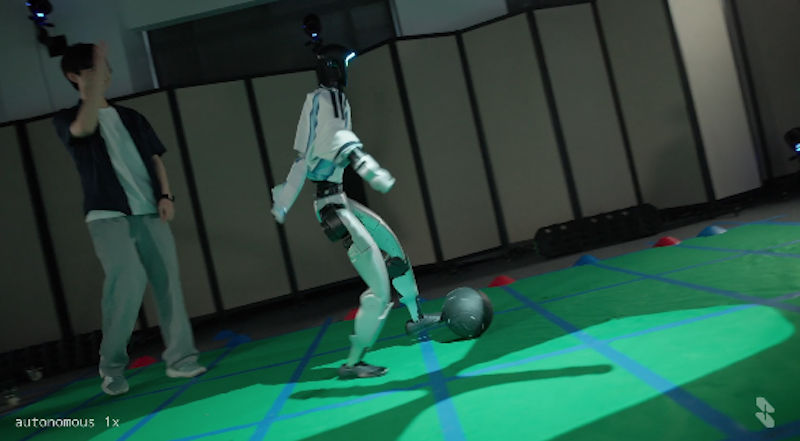
Humanoid robots, still in early deployment, are expanding rapidly. The global fleet is projected to grow at over 90 percent compound annual growth rate from 2025 to 2035, reaching 10 million-plus units with annual shipments exceeding 4 million. A key driver is price deflation: average humanoid robot prices fell 93 percent between 2020 and 2025 to $58,000. Unitree Robotics' G1 model, priced at $16,000 for 2026, carries an estimated annual electricity cost of just $82 at eight hours a day (based on a global average industrial tariff of $0.14 per kWh)—putting the robot within economic reach of many businesses. If humanoid robots reach one billion units by 2050, their power demand alone could match South Korea's entire electricity generation in 2026.

China is the dominant force in the robotics market. It accounts for over 70 percent of annual global industrial robot installations and nearly 90 percent of all humanoid units currently in deployment. China State Grid, the country's state-owned power utility, is spending $1 billion in 2026 to procure 8,500 AI-enabled autonomous robots capable of performing more than 600 specialised tasks—ranging from routine grid maintenance to live-line work on ultra-high voltage power lines. This commitment signals that robotics has become critical national infrastructure. Robert Liew, director of integrated energy research at Wood Mackenzie, stated: "Power constraints are becoming a real brake on robotic adoption, and that matters because labour markets in developed economies are running short of alternatives. Industrial robots already draw 78 TWh a year globally, and that is before humanoid robots reach any real scale. By 2035, combined demand could hit 363 TWh."

Context & Analysis

Robotics has emerged as a second major demand on global electricity infrastructure, arriving at a moment when power systems are already under strain from AI data centres. Wood Mackenzie's projection of 363 TWh by 2035 is not merely a technical forecast—it reflects structural shifts in labour markets. Developed economies facing persistent labour shortages have no clear alternative to industrial automation, and the research suggests that power constraints themselves may become the limiting factor on adoption rather than economics or technology.

China's dominance in robotics manufacturing and deployment underscores how concentrated the sector is. The country accounts for over 70 percent of annual global industrial robot installations and nearly 90 percent of all humanoid robots currently deployed. China State Grid's commitment of $1 billion in 2026 to procure 8,500 AI-enabled autonomous robots signals that robotics has become critical national infrastructure in the world's largest manufacturing economy. This concentration of deployment and manufacturing capacity means that energy planning in China will have outsized influence on global robotics power demand.

Price deflation in humanoid robots—a 93 percent drop between 2020 and 2025—is accelerating adoption by lowering the economic barrier to entry. The Unitree G1 at $16,000 with an annual electricity cost of $82 is now competitive with human labour in most developed markets, even accounting for power costs. If humanoid robot stock reaches one billion units by 2050, their electricity demand alone would match South Korea's entire 2026 electricity generation, pointing to a potential energy crisis decades ahead unless power infrastructure planning adjusts now.

FAQ

How much electricity will robots use by 2035?
Wood Mackenzie projects global robotics electricity demand will reach 363 TWh annually by 2035, with industrial robots accounting for 357 TWh and humanoid robots contributing 6 TWh. This is equivalent to the yearly consumption of around 35 million average US households and approaches France's 2025 nuclear generation of 373 TWh.
How many robots are expected to be operating by 2035?
Industrial robots are forecast to reach 16 million units by 2035, up from 5 million in operation today, assuming the current 12 percent annual growth rate is maintained. Humanoid robot stock is projected to exceed 10 million units by 2035, growing at over 90 percent compound annual growth rate from 2025 onward.
What is the cost of a humanoid robot now?
Average humanoid robot prices fell 93 percent between 2020 and 2025 to $58,000. Unitree's G1 model is priced at $16,000 (2026) with an estimated annual electricity cost of $82 at eight hours a day based on a global average industrial tariff of $0.14 per kWh.
Robotics & Automation NewsRead Original Article

Get the latest Robotics news every morning

AI-summarized, only the topics you pick — one digest a day via Email, Slack, or Discord.

Free · takes 30 seconds · unsubscribe anytime

Ask AI

Ask AI anything about this article. Q&As are published on this page for other readers too.

Related Articles

Next articleGrok 4.6 matches OpenAI's best model at 60% lower price

The AI news that matters, in one minute each morning.

Sign up free