What happened
OpenAI introduced Patch the Planet, a Daybreak initiative built with Trail of Bits that pairs AI-assisted security research with expert human review to help maintainers fix vulnerabilities in critical open-source software. Initial participants include cURL, NATS Server, pyca/cryptography, Sigstore, aiohttp, the Go project, freenginx, Python, and python.org.
Why it matters
Discovery alone does not protect users, and maintainers face a growing backlog of reports with limited time. By having security engineers validate findings before they reach maintainers and develop patches, the program aims to reduce that burden. Trail of Bits engineers have already identified hundreds of security issues and merged dozens of patches across 19 open-source projects.
What to watch
The test is whether AI-assisted workflows can deliver sustained security improvements without overwhelming maintainers. Early results include a fuzzing lab built in less than a day that would normally take weeks, and compressed differential testing that found vulnerabilities in days instead of weeks or months.
Summaries like this, in your inbox every morning.
Patch the Planet is the latest initiative under OpenAI's Daybreak umbrella, building on prior work that shows frontier models can help defenders find vulnerabilities in widely used software. The program's design reflects a key reality: while AI accelerates discovery, maintainers are already overwhelmed by reports, so the bottleneck has shifted to validation and patching. By inserting human security engineers between AI findings and maintainers, the initiative tries to deliver high-signal results without adding to the noise.
The early results span operating systems, network software, and browsers, showing the approach works across different layers of the stack. Findings include eight kernel pointer information leak PoCs and 24 local privilege escalation exploits in the Linux kernel, a 23-year-old use-after-free in OpenBSD, and multiple exploitable vulnerabilities in Chrome and Safari. These wins came from combining models like GPT-5.5-Cyber with human expertise, as well as from reusable infrastructure like fuzzing harnesses and CVE-variant analysis pipelines that can be applied across future projects.
The longer-term stake is whether this model of AI-plus-human collaboration can scale beyond the initial 19 projects. The program intends to expand with additional projects in future rounds, and OpenAI plans to publish deeper technical reports as coordinated disclosures conclude. Success hinges on whether the reusable workflows and infrastructure Trail of Bits built genuinely reduce the ongoing security burden for maintainers, and whether other defenders can adapt these methods to protect the open-source software the world depends on.
Pick your industry and the AI tools you use, and get news related to your work every day.
Free · 30 seconds with Google · unsubscribe anytimeWhat is AIToday? →
Ask AI anything about this article. The AI reads this article, earlier AIToday articles, and Wikipedia, and cites its sources. Q&As are published on this page for other readers too.
Tesla revealed its next-generation Roadster at SpaceX's McGregor, Texas test site on October 15, presented as…

Cisco Systems heads a sample of three AI networking and server hardware stocks, with its Computer Networks seg…

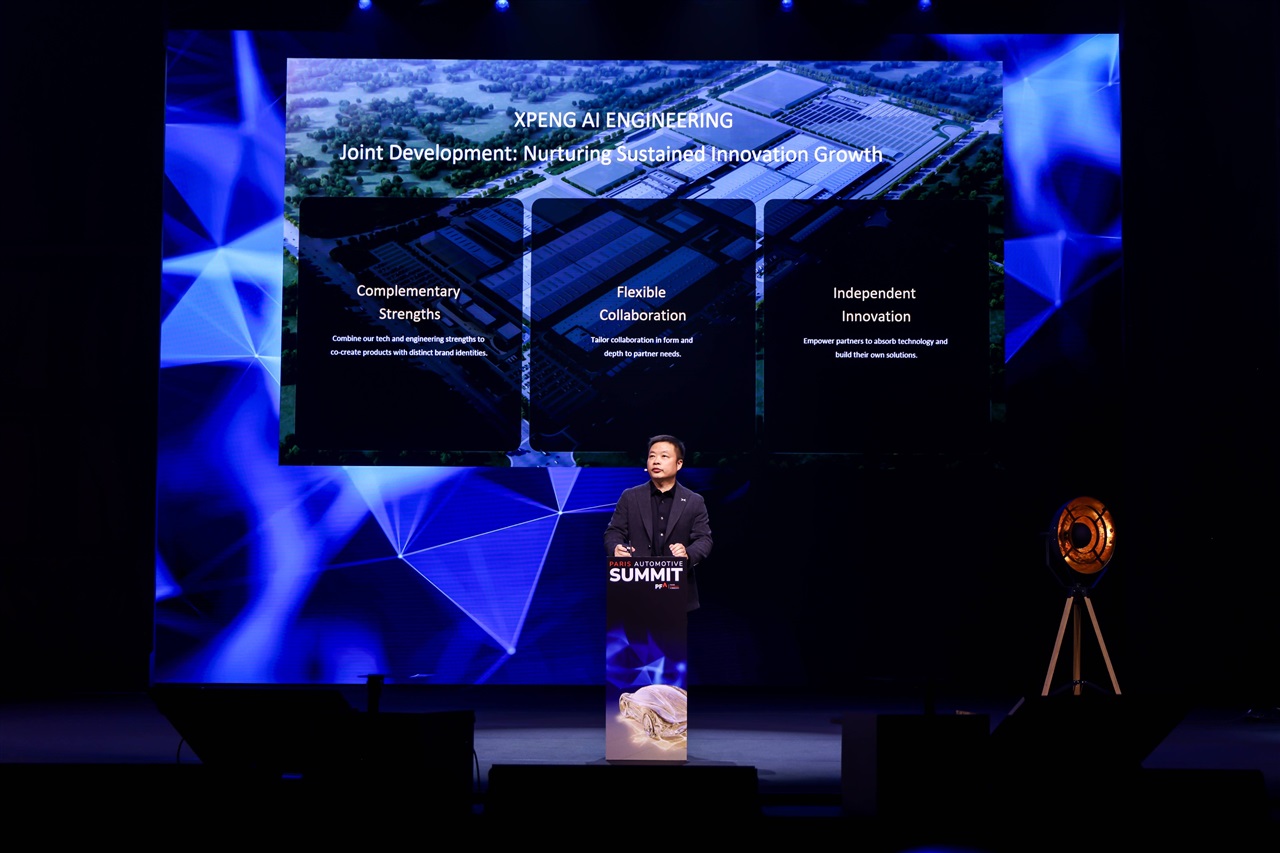
XPeng appeared at the Paris Automotive Summit, presenting not only automotive expertise but a broader technolo…
kaazu published vrm-charsheet, an MIT-licensed browser tool that drags in a VRM file and exports six preset co…

Itaú's ia.i, a text- and voice-activated assistant spanning accounts, credit, cards and insurance, reached abo…
A Seeking Alpha analyst published a piece titled "GE Vernova: AI's Next Bottleneck Is Electricity," arguing th…