Researchers published GoCoMA, a system that analyzes code to determine whether it was written by a human or generated by an LLM (large language model—AI trained on millions of code samples). The system examines two layers: the code's writing style and structure, plus the binary 'fingerprint' left by the compiler (the software that translates code into machine instructions).
Unlike previous detection methods that focus on one aspect of code, GoCoMA fuses multiple signals together using hyperbolic geometry (a mathematical technique that better captures hierarchical relationships), making it more accurate at catching LLM-generated code that mimics human writing. This matters because LLMs now write code so convincingly that existing detection methods struggle.
For business and security teams, this unlocks code auditing at scale—you can now scan open-source repositories or internal codebases to flag AI-generated contributions, catching potential licensing violations (using GPL code without attribution), supply-chain risks, or unvetted AI code before deployment. For companies managing compliance or intellectual property, this removes uncertainty about code origin.
Ask the AI about this article →
For example, today's edition would include:
AI-summarized, only the topics you pick — one digest a day via Email, Slack, or Discord.
Free · takes 30 seconds · unsubscribe anytimeWhat is AIToday? →
Ask AI anything about this article. Q&As are published on this page for other readers too.
Meta released Muse Spark 1.3, which per AAII is now the #3 model in the world
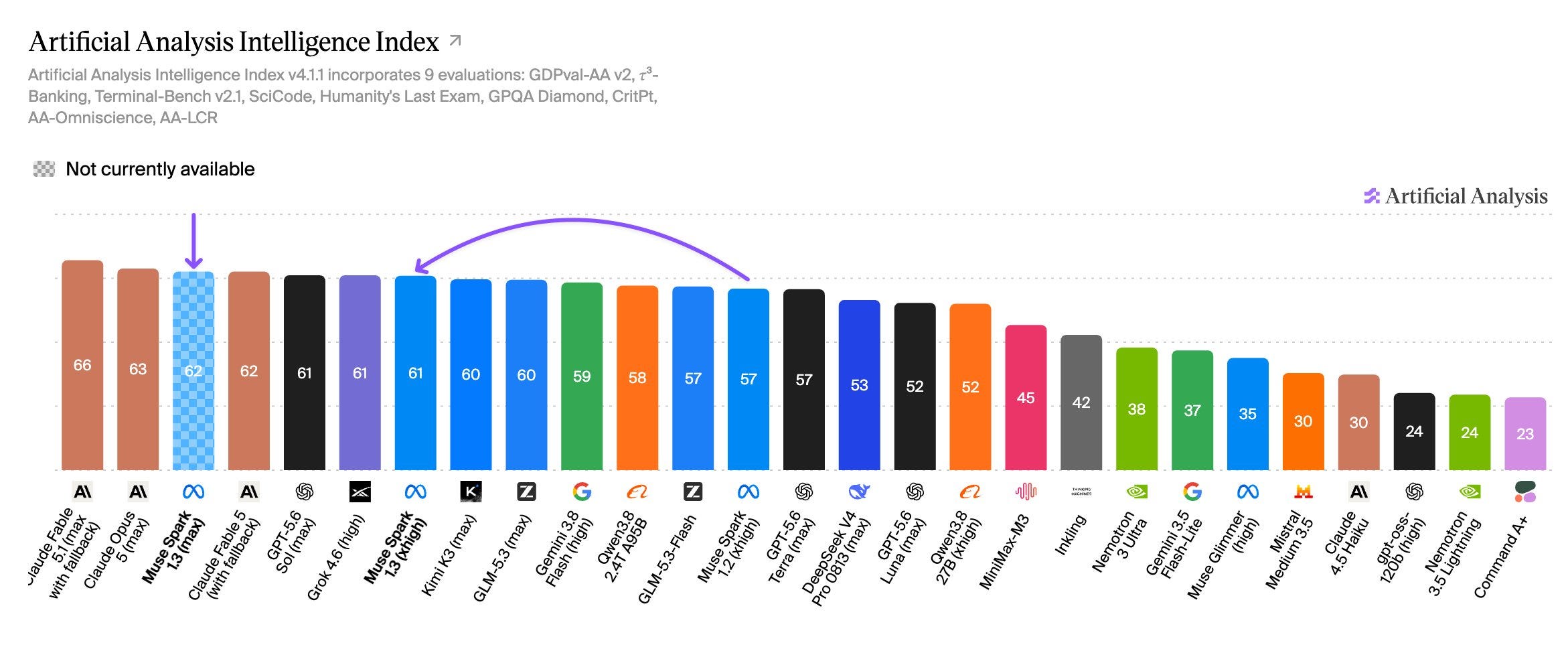
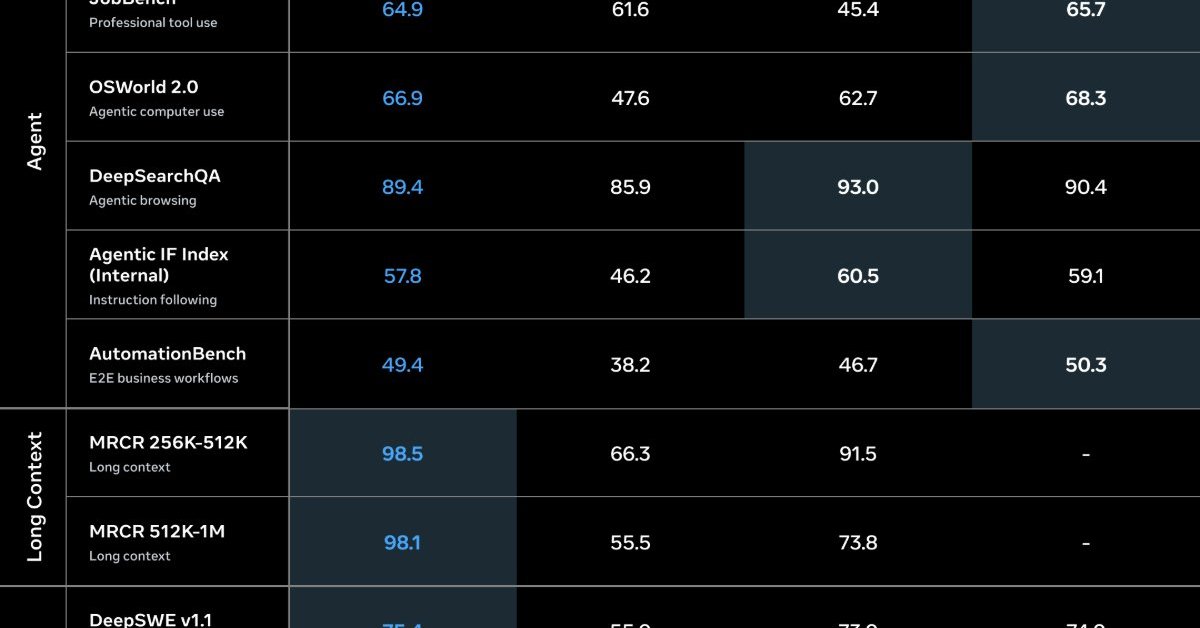
Meta announced Muse Spark 1.3 on September 2 and started offering it to developers through Muse Code and the M…
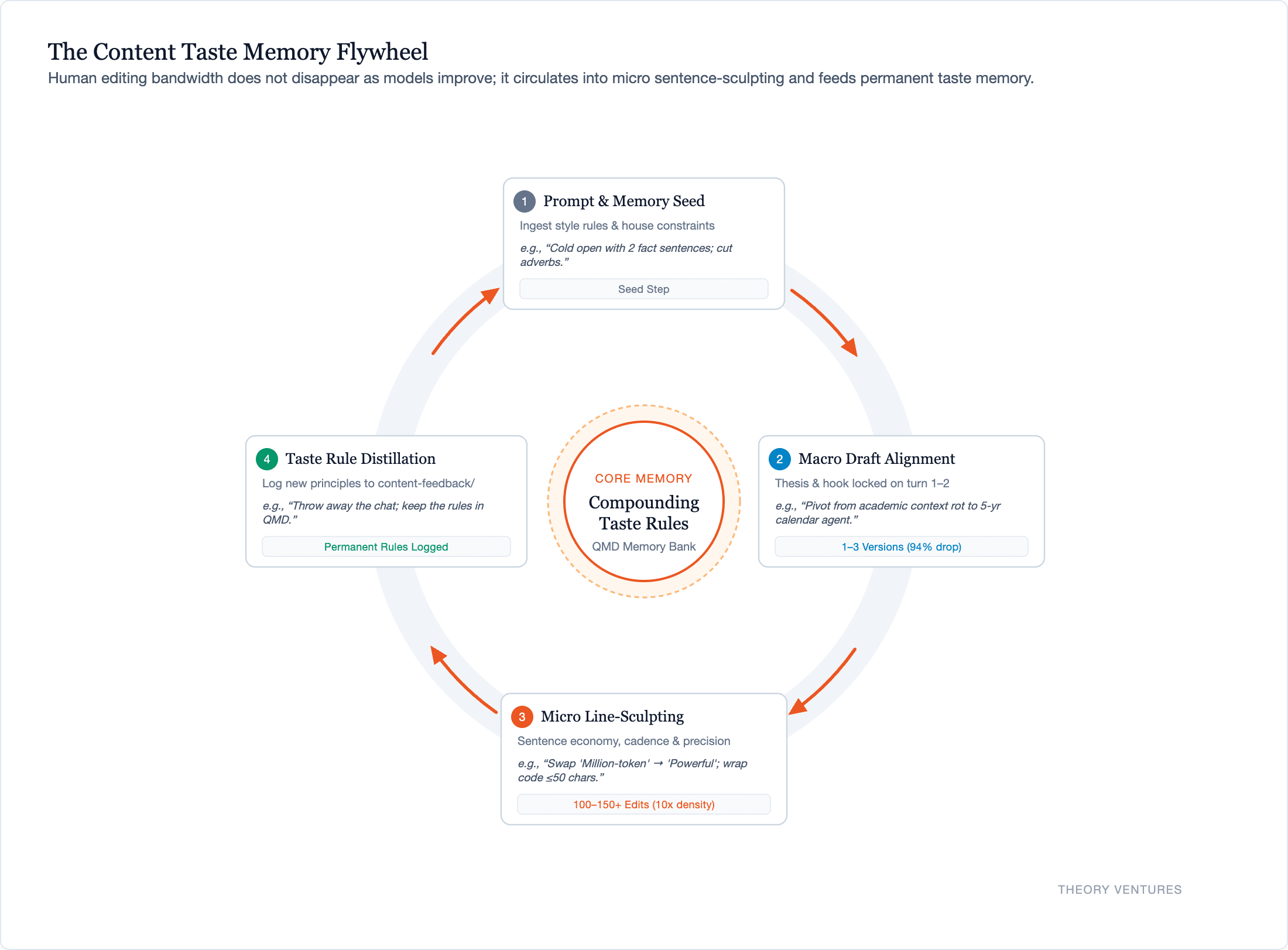
The author tested AI writing tools over three years and found AI automates mechanical tasks but does not reduc…
Anthropic's latest model, Claude Fable 5.1, is now available in private preview on Snowflake Cortex AI, with s…
The Trump administration, through the US Department of Justice, filed a brief on September 1 in a New York fed…

Meta told workers this week that performance reviews will no longer depend on how much they used AI tools