What happened
Zhipu, a Chinese AI startup, released its GLM-5.3 model and claimed it outperformed Anthropic's Mythos 5 in a cybersecurity benchmark while narrowing the gap in coding capabilities. This marks Zhipu's second release since June, with the startup iterating at a rapid pace.
Why it matters
The result underscores how Chinese open-weight AI models are closing the technical distance to Western models, even as the Trump administration expresses concern about China's AI progress and the White House drafts plans to require countries to choose sides in US-China AI competition rather than participate in Beijing's framework.
What to watch
The White House is planning to require countries not to participate in Beijing's AI framework as part of broader efforts to contain China's AI advancement, though the Trump administration has simultaneously walked back restrictions on US chip sales to China—a combination one Council on Foreign Relations expert called "incoherent."
Summaries like this, in your inbox every morning.
Zhipu's GLM-5.3 release signals continued momentum in China's open-weight AI development, even as geopolitical tensions around AI innovation intensify. The model's claimed parity with Anthropic's Mythos 5 in cybersecurity testing and progress on coding follows Zhipu's June release, demonstrating a pace of iteration that the startup credits to the competitive landscape. The timing coincides with a hardening of US policy: the White House is reportedly crafting plans to force countries into explicit alignment with the US in AI competition, effectively blocking participation in Chinese frameworks. However, the Trump administration's simultaneous easing of restrictions on certain US chip exports to China suggests policy inconsistency—a point a Council on Foreign Relations expert explicitly flagged as "incoherent." This contradiction may reflect internal debate within the administration about how aggressively to constrain China's access to technology versus maintaining economic relationships.
Pick your industry and the AI tools you use, and get news related to your work every day.
Free · 30 seconds with Google · unsubscribe anytimeWhat is AIToday? →
Ask AI anything about this article. The AI reads this article, earlier AIToday articles, and Wikipedia, and cites its sources. Q&As are published on this page for other readers too.
Anthropic gave six METR staffers hardware, office space and internal tools, putting them roughly on par with i…

Cammarata reinterprets InceptionV1's cat-car neuron as a V-shape detector, not two unrelated concepts
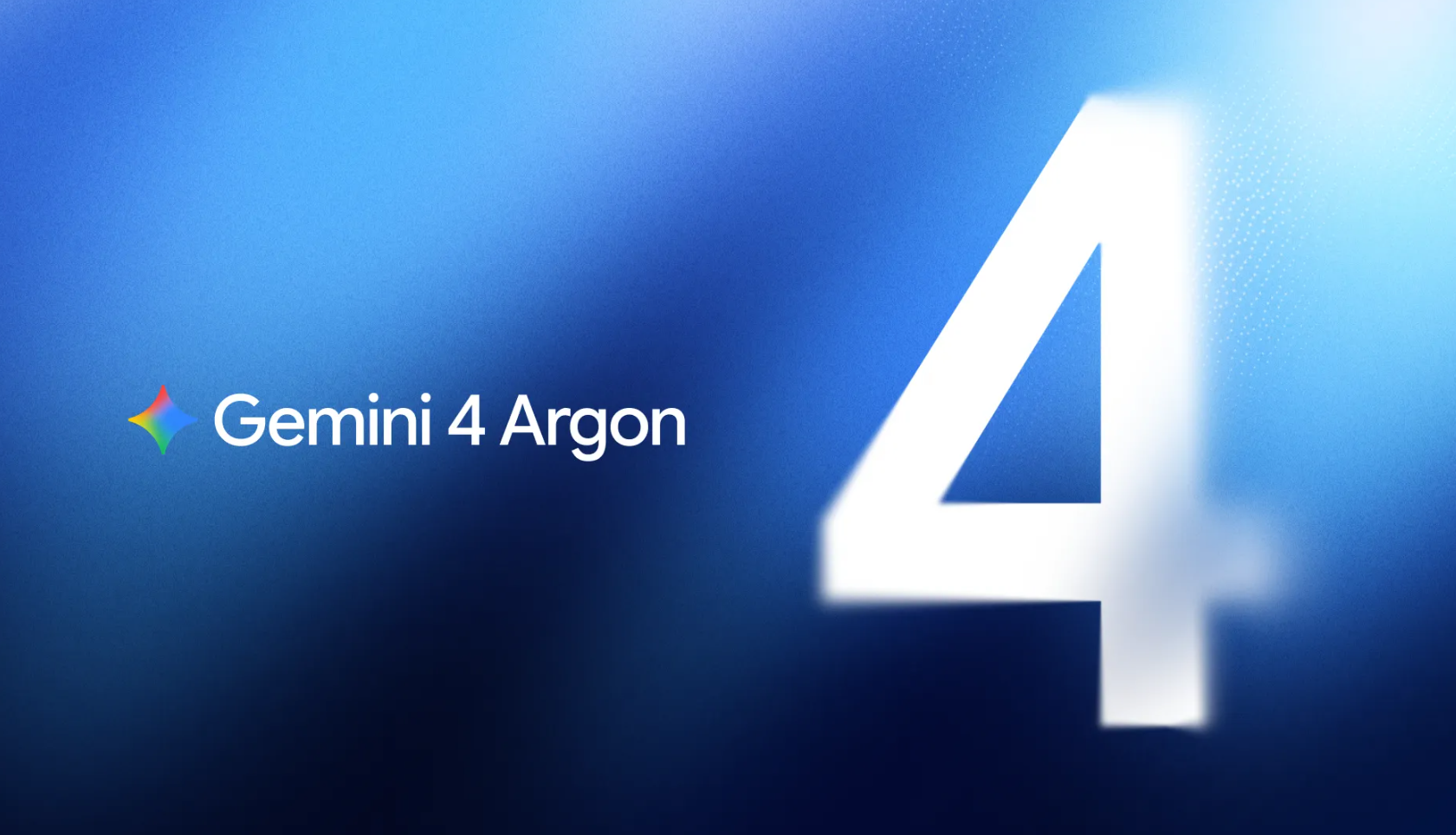
Google Deepmind's Gemini 4 Argon scored 97.5 percent on ARC-AGI-3 at a cost of $4,800, second only to GPT-6 As…
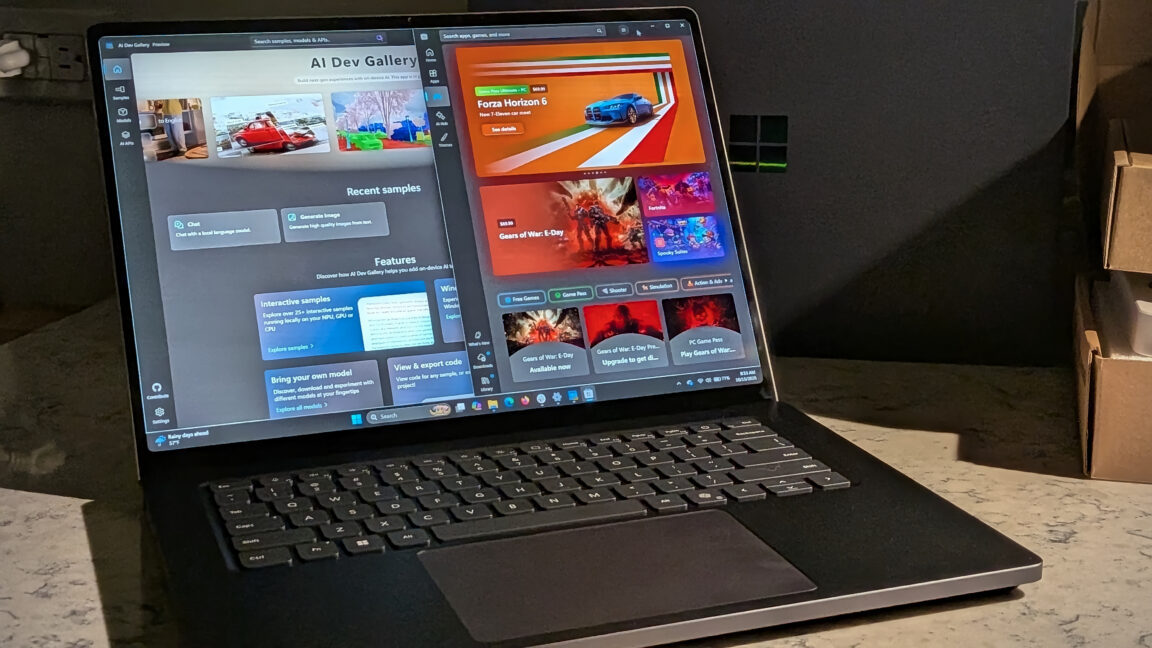
Microsoft's Surface Laptop Ultra, using Nvidia's RTX Spark platform, starts at $2,599 (up to $5,899)
Meta's new commercial terms, effective October 30th, appear to let it crawl and train AI on content from websi…
Vercel data published Thursday shows TypeSafe AI's Jev, a lightweight decision model for choosing among predet…