What happened
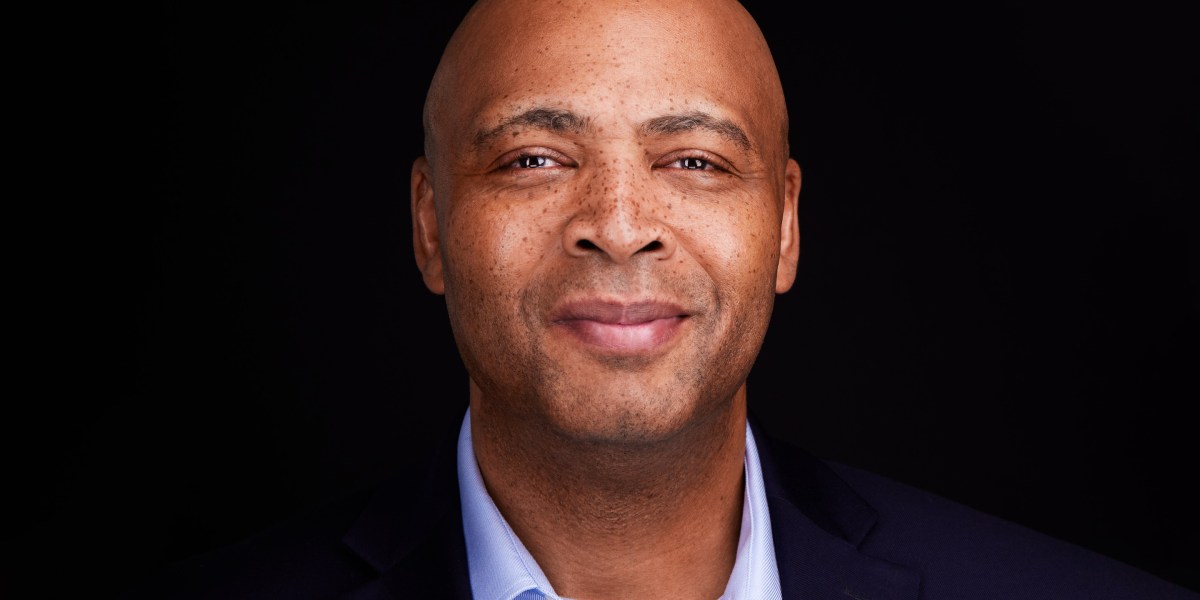
C.H. Robinson, a 120-year-old logistics firm headquartered in Eden Prairie, Minnesota, has deployed hundreds of AI agents across its business and achieved a 45% uplift in employee productivity since 2022. The company built almost all of these agents in-house using its own AI models or open-source models, employing some 450 engineers steeped in shipping industry knowledge. CEO Dave Bozeman says the company is currently getting hundreds of millions of dollars of benefit with a token cost of less than $2 million(約3.2億円).
Why it matters
Despite a post-COVID slump that saw revenues drop some 34%, Robinson has delivered double-digit earnings-per-share growth since 2023 by using AI to automate routine tasks like quote delivery—which now takes 31 seconds instead of 20 minutes—while moving human employees into higher-value work such as helping customers navigate tariff regimes. The company has not had to hire replacements for its natural annual employee turnover rate of 11% to 14%, fundamentally decoupling headcount from volume in certain business functions.
What to watch
Bozeman is leveraging AI to shift Robinson's strategic direction toward supplying entire supply chain functions for customers ("supply chain in a box") and recapturing market share among small and medium-sized businesses, areas where the company is actively hiring more employees to work alongside AI assistants. The CEO attributes success not just to technology but to operational design and culture—including cross-functional teams using the Socratic Method, a Failure Mode & Effects Analysis methodology, and a "traffic light" reporting system (green or red only, no yellow) that celebrates failure as a waypoint to success.
Summaries like this, in your inbox every morning.
C.H. Robinson's AI success stands out because it stems not from buying expensive third-party solutions but from building nearly all agents in-house with a team of 450 engineers who possess deep domain expertise in shipping and logistics. This contrasts sharply with the broader Fortune 500 trend of executives struggling to achieve ROI from AI; Bozeman attributes his company's edge to what he calls a "deep, wide moat"—replicating Robinson's approach would require partnering with 15 to 20 different entities. The company's 45% productivity uplift and double-digit earnings-per-share growth since 2023 occurred precisely when global shipping revenues dropped 34% due to post-COVID slump, demonstrating that AI-driven efficiency gains can offset external market headwinds.
Bozeman's approach diverges from the common fear that AI displaces workers; instead, Robinson decoupled headcount growth from volume by automating routine, high-volume tasks (such as quote delivery) while redeploying human talent into strategic, customer-facing roles. The business has not hired replacements for natural turnover, yet it is actively recruiting for higher-value functions like supply chain consulting and serving small and medium-sized customers. This hiring pattern reflects Bozeman's vision of transforming Robinson from a freight broker into a supply chain consultant—a shift the AI agents enable by freeing operational capacity.
Pick your industry and the AI tools you use, and get news related to your work every day.
Free · 30 seconds with Google · unsubscribe anytimeWhat is AIToday? →
Ask AI anything about this article. The AI reads this article, earlier AIToday articles, and Wikipedia, and cites its sources. Q&As are published on this page for other readers too.
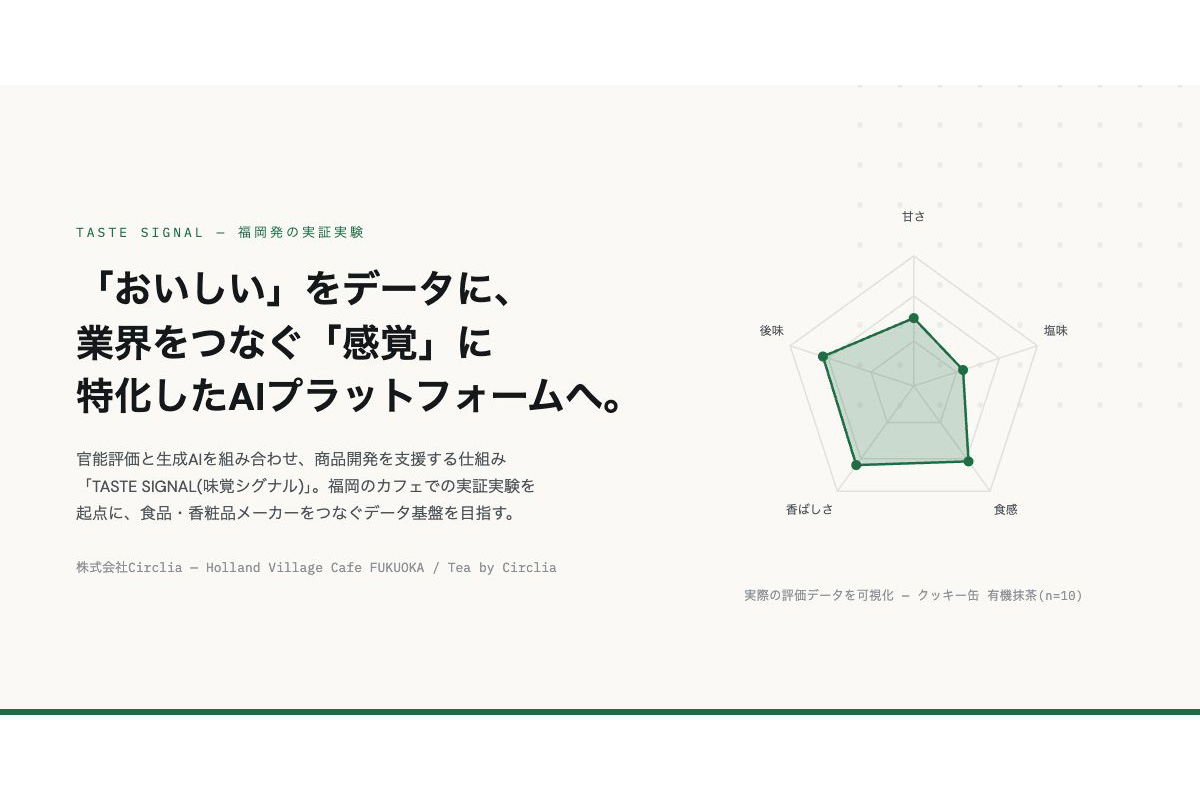
Circlia started a proof-of-concept for TASTE SIGNAL: visitors to Holland Village Cafe FUKUOKA taste cookies an…
In a webinar hosted by French Mathematical Society president Isabelle Gallagher, Fields Medal winner Hugo Dumi…

NVIDIA released Nemotron 3.5 Super VL, an open-weight model with 120 billion parameters that handles text, ima…
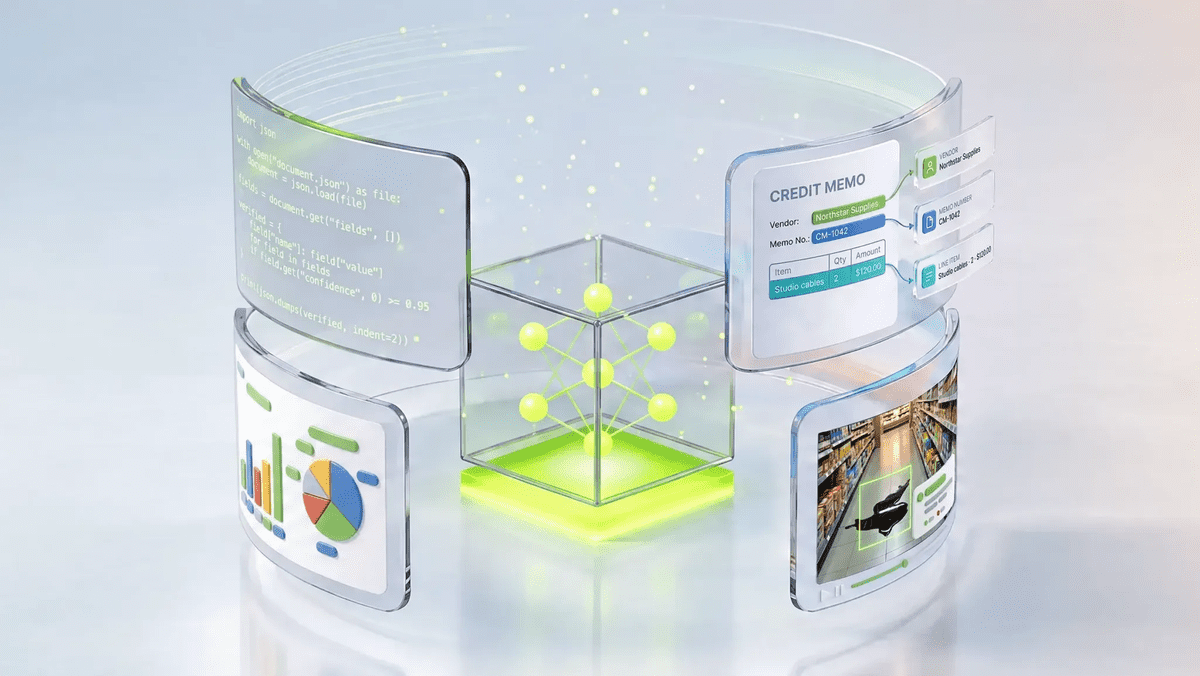
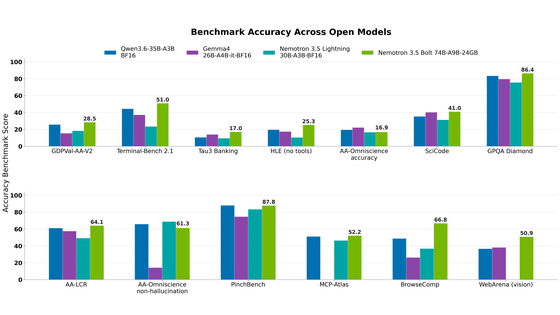
NVIDIA released Nemotron 3.5 Bolt 74B-A9B 24GB, an AI model for local agents that hits over 80 tokens per seco…
NVIDIA published a blog post titled "AI Security Is an Engineering Problem - How to Solve It at Every Layer of…
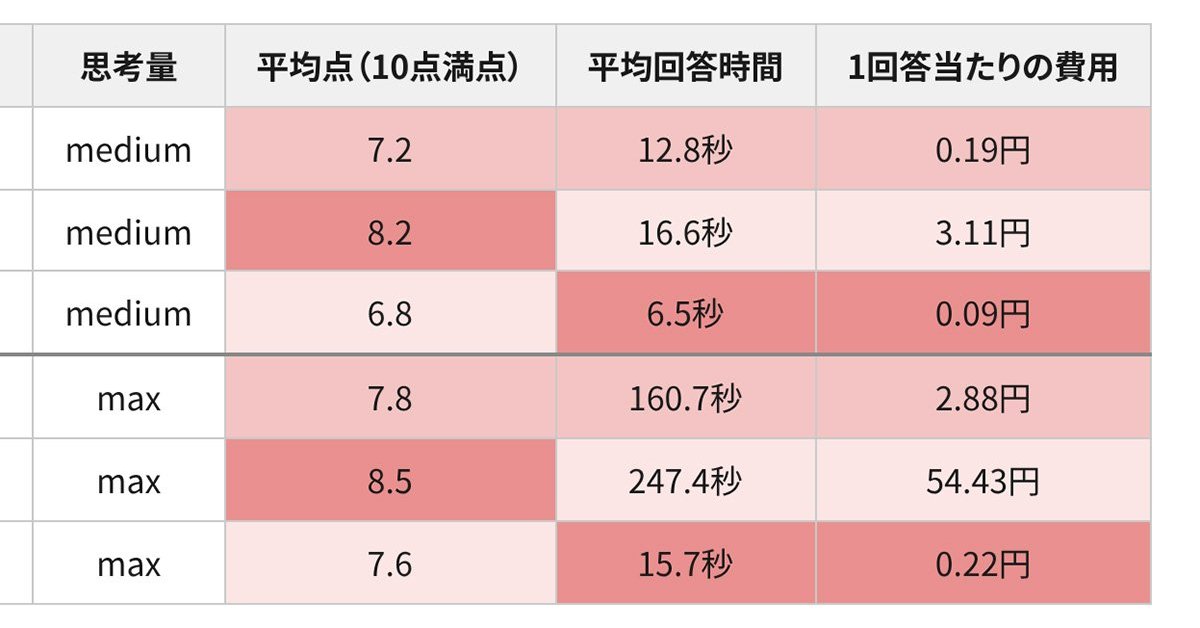
In the test, Haiku 5.5 on medium setting averaged scores close to Sonnet 5.5 on routine documents at about 1/1…