What happened
Anthropic is asking shareholders to approve, in the coming days, special shares giving CEO Dario Amodei and his six co-founders a combined 50.1% of the vote on most corporate matters, as long as at least three of them keep a minimum stake.
Why it matters
The co-founders are reportedly asking for voting control while owning small individual stakes, with the new shares carrying no extra economic value but preserving the group's control once the company starts trading publicly.
What to watch
Whether shareholders approve the structure, and whether the founders' unusual group approach — unlike Meta's Mark Zuckerberg or Snap's Evan Spiegel — survives an IPO whose valuation is expected to reflect a secondary-market price of $1.5 trillion.
WHO IT HITSAnthropic's shareholders and prospective IPO investors must weigh a governance structure that concentrates founder voting control. Employees, who would receive their own stock to break ties on some issues, could also be directly affected.
Summaries like this, in your inbox every morning.
Anthropic's five-year history includes a January commitment by CEO Dario Amodei: the seven co-founders pledged to give away 80% of their wealth, and Amodei warned that AI-driven wealth concentration could destabilize society. The proposed voting structure is being pursued despite that pledge. Super-voting shares themselves are not new — Mark Zuckerberg used them to keep control of Meta, and Evan Spiegel used them at Snap. What is unusual here is that seven people would hold the votes as a group, rather than one founder. Other pieces of Anthropic's governance would remain in place: the Long-Term Benefit Trust would still choose most of the board, the founders' board seats would grow from two to three, and employees would get their own stock to break ties on some issues. The vote request comes shortly before Anthropic's IPO, expected to reflect a recent secondary-market valuation of $1.5 trillion, up from $965 billion in May. The outcome is likely to hinge on whether shareholders accept concentrated founder control at that valuation, and on whether enough of the co-founders keep the minimum stake the arrangement requires.
For example, today's edition would include:
AI-summarized, only the topics you pick: one digest a day via Email, LINE, or Slack.
Free · 30 seconds with Google · unsubscribe anytimeWhat is AIToday? →
Ask AI anything about this article. The AI reads this article, earlier AIToday articles, and Wikipedia, and cites its sources. Q&As are published on this page for other readers too.
CoreWeave completed the industry's first bring-up and validation of Nvidia Vera Rubin NVL72 on CoreWeave Cloud…

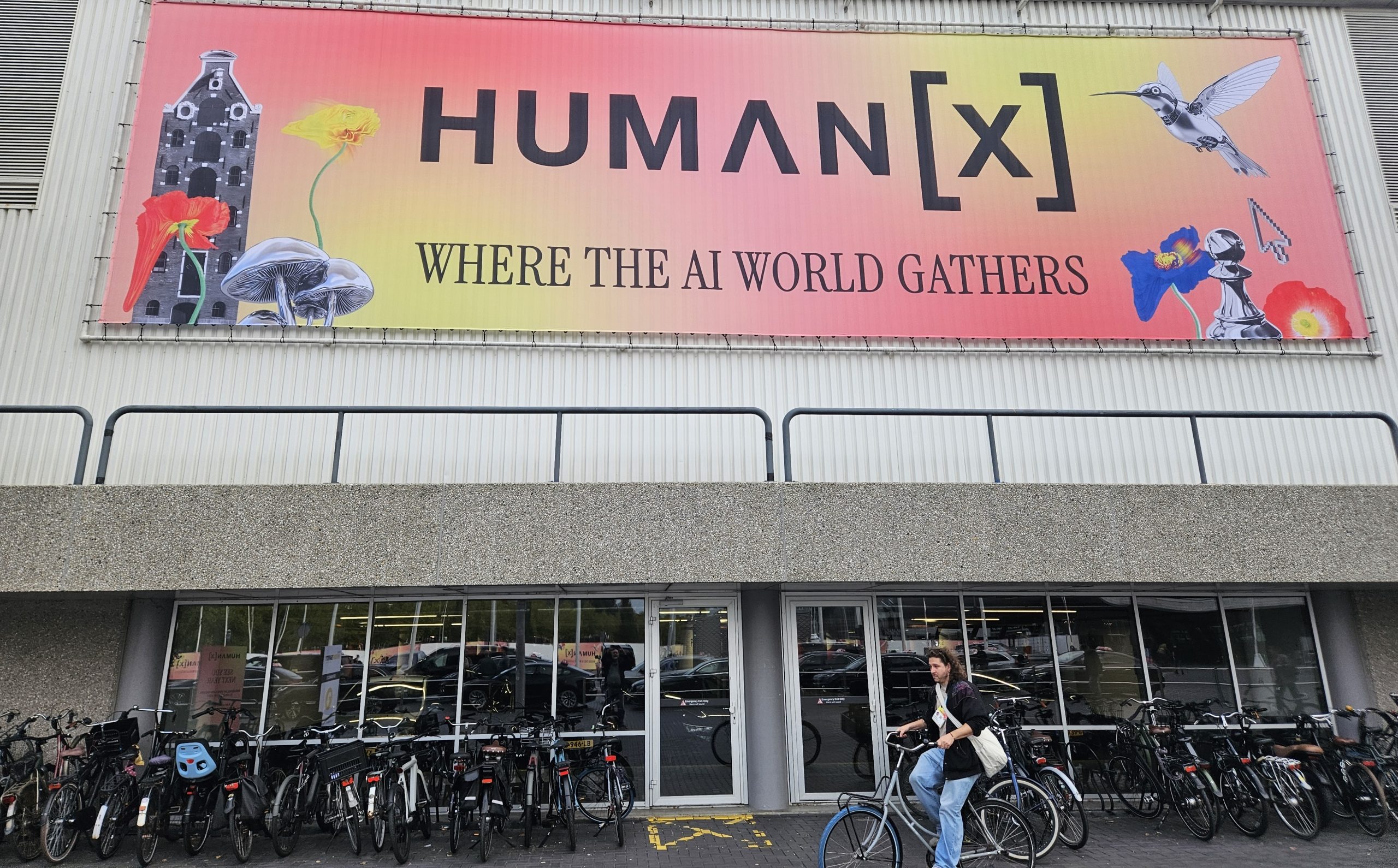
At HumanX Amsterdam 2026, Intellyx's Jason Bloomberg named 10 European startups — among them Distil labs, Lang…
Collibra BV unveiled Live Map, Maestro, Guardian Agents and Agent Contracts — runtime governance tools meant t…
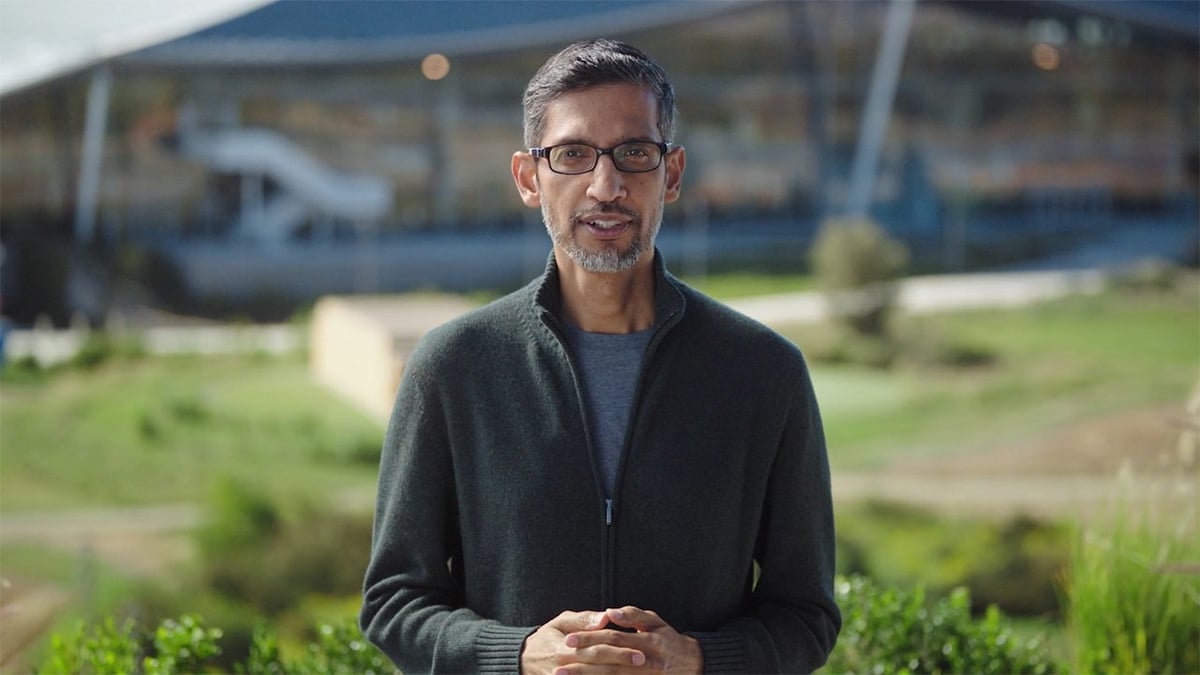
Google Cloud revenue grew 82% year over year, and CEO Sundar Pichai highlighted a $514 billion backlog
Nscale, a British AI neocloud, announced $3.36 billion in convertible financing
McDonald's unveiled "Archy," an English- and Spanish-speaking AI drive-thru system it says exceeds 90% accurac…