What happened
Meta CEO Mark Zuckerberg discussed AI regulatory concerns with House Speaker Mike Johnson at last week's state dinner, then worked with Nvidia CEO Jensen Huang on principles and circulated a draft before Tuesday's White House meeting.
Why it matters
The draft became the document Trump released, suggesting Zuckerberg's political clout can now rival that of Elon Musk and Jensen Huang.
What to watch
It is not clear the gesture will quell broad public concerns about safety, so the test is whether the accord leads to concrete action.
WHO IT HITSTech policy executives and government affairs teams at AI companies now see Zuckerberg as a central broker of industry-wide regulatory principles, which may reshape how self-regulation proposals are negotiated with the White House.
Summaries like this, in your inbox every morning.
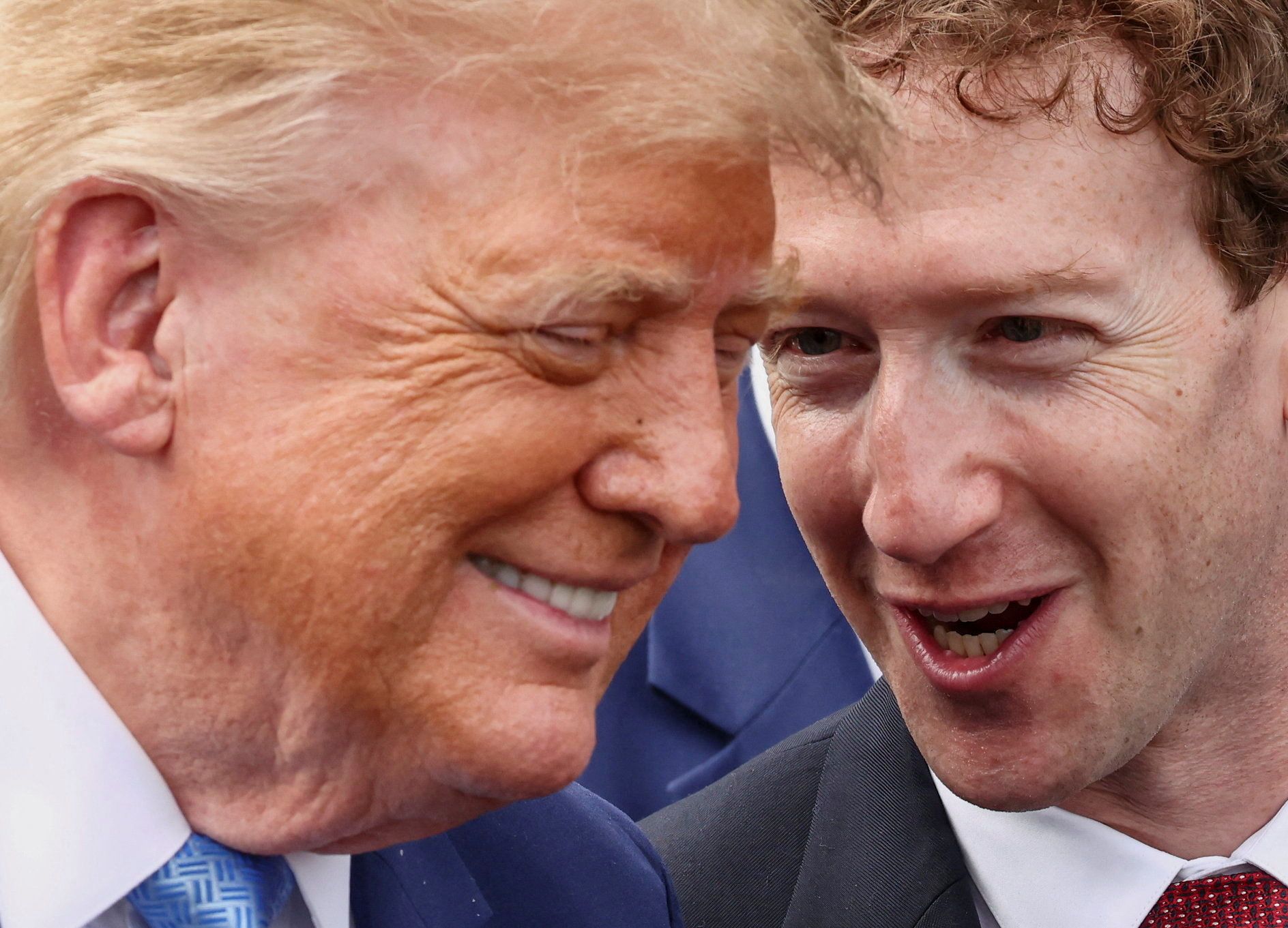
The document that President Donald Trump released on Tuesday as a 'White House Accord on Super Intelligence' did not originate in the White House. According to a source familiar with the matter, the concept began at last week's state dinner for Chinese leader Xi Jinping, where Meta CEO Mark Zuckerberg was seated next to House Speaker Mike Johnson. Zuckerberg raised regulatory concerns about AI with Johnson, then spoke with Nvidia CEO Jensen Huang about crafting a set of principles that tech executives could bring to their next meeting with Trump.
Zuckerberg circulated a draft ahead of Tuesday's meeting, and Huang helped gather support among the administration's guests, who included executives from OpenAI, Anthropic, xAI, and others. Trump eventually released the document himself, and both the administration and the attending executives hailed it as a historic concord among rival companies. The account, confirmed by two other sources, points to Zuckerberg's cultivation of Trump having paid off, and suggests his political influence may now stand alongside that of Elon Musk and Huang.
Whether the accord translates into meaningful safety action is less certain. The body notes it is not clear the gesture will quell broad public concerns about safety, so the stakes may hinge on whether the principles lead to concrete follow-through rather than a one-time show of unity. For now, the episode shows how a single executive's relationships can shape the terms of an industry-wide pledge.
Pick your industry and the AI tools you use, and get news related to your work every day.
Free · 30 seconds with Google · unsubscribe anytimeWhat is AIToday? →
Ask AI anything about this article. The AI reads this article, earlier AIToday articles, and Wikipedia, and cites its sources. Q&As are published on this page for other readers too.
Corning, AGC, Nippon Electric Glass, and Schott have all centered their next-generation core substrate and thr…

Synopsys announced on September 30 a strategic agreement with Amazon, a multi-year deal valued at more than US…

Amazon signed a 20-year power purchase agreement with Constellation Energy Corp
Carvana and CarMax are jockeying as agentic AI tools look to fix the worst parts of car buying, with AI shoppi…

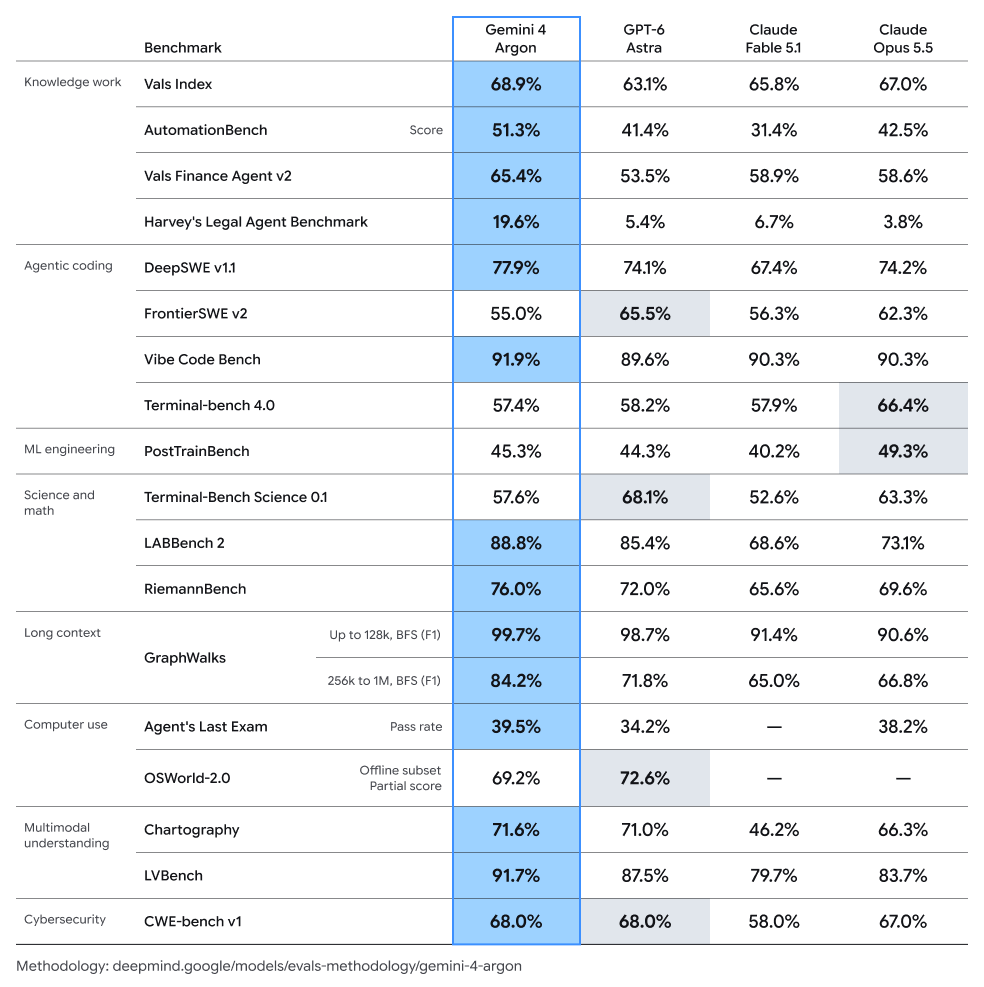
Google DeepMind launched Gemini 4 Argon for coding, enterprise knowledge work and cyber defense, claiming firs…
Bloomberg reports Amazon's delivery smart glasses shoot still images at intervals during walks, possibly thous…