Phonely has launched Alma, a voice AI trained on 10 million calls.
It responds faster and costs less than OpenAI's models.
Alma already handles millions of calls monthly.
What happened
Phonely Ltd. launched Alma, a large language AI model built for voice agents and trained on over 10 million real phone conversations. Alma provides sub-185-millisecond response times to the first token, compared with roughly 500 milliseconds for OpenAI's GPT-4.1.
Why it matters
Many AI models for voice agents are trained on text, which can make conversations sound unnatural. Alma reduces pauses that interrupt conversations and is pre-trained to sound like a person, cutting the need for prompt engineering. The model also costs 55 cents per blended million tokens, making it 84% cheaper than GPT-4.1 and 90% cheaper than GPT-5.4.
What to watch
Alma uses real traffic to improve how it interacts with calls without waiting for the next training cycle, aiming to deliver better results the next day. It can work with existing transcribers and text-to-speech providers, and is already answering millions of Phonely calls monthly.
Ask the AI about this article →
Phonely's launch of Alma addresses a common issue in voice AI: models trained on text often produce unnatural pauses and responses. By training on over 10 million real phone calls, Alma aims to sound more human and reduce the need for extensive prompt engineering. Its faster response time and lower cost compared to GPT-4.1 and GPT-5.4 could make it an attractive option for businesses deploying voice agents.
The company's emphasis on continuous improvement through real traffic is notable. Alma uses feedback from conversations to adjust its behavior without waiting for the next training cycle, potentially leading to better performance the next day. This self-improvement loop may give it an edge in maintaining naturalness and reliability across long conversations, where general-purpose models often struggle.
For businesses, Alma's compatibility with existing transcribers and text-to-speech providers lowers the barrier to adoption. Its cost efficiency and speed could be significant for high-volume call centers. However, the model's performance in real-world applications and its ability to scale beyond Phonely's own traffic remain to be seen, as the company is now opening it to external developers.
For example, today's edition would include:
AI-summarized, only the topics you pick — one digest a day via Email, Slack, or Discord.
Free · takes 30 seconds · unsubscribe anytimeWhat is AIToday? →
Ask AI anything about this article. Q&As are published on this page for other readers too.
Aranya Inc., a startup founded last year, launched today with $11 million in funding

CBTS Technology Solutions LLC launched Forge Agents, a platform that turns a plain-language job description in…

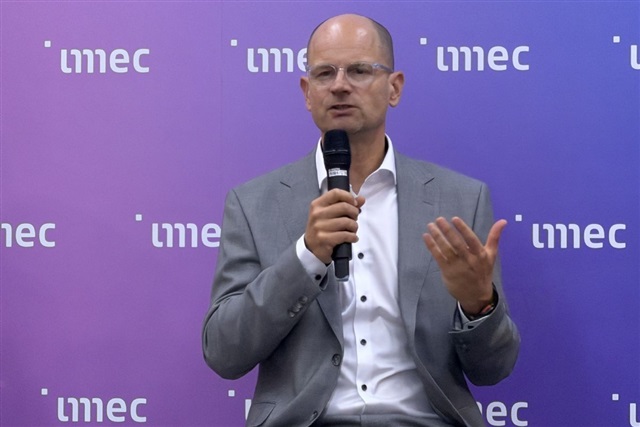
Imec CEO Patrick Vandenameele said at SEMICON Taiwan 2026 that the Belgian research center is broadening its c…
Alphabet's AI Overviews now reach over 2.5 billion monthly users through Google Search, and its ad business ge…
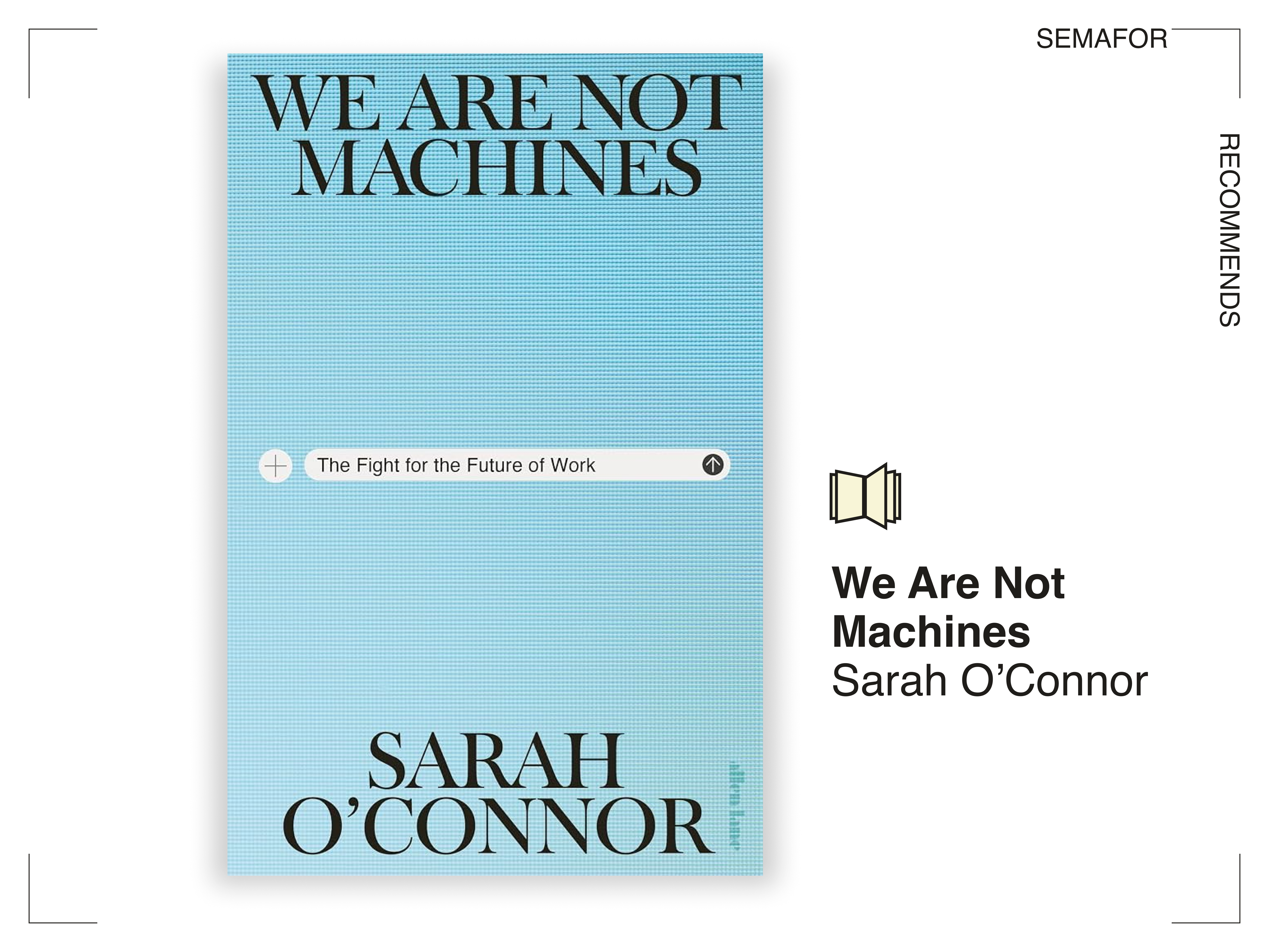
Sarah O’Connor's book 'We Are Not Machines' explores how mechanization and AI have transformed the workforce…
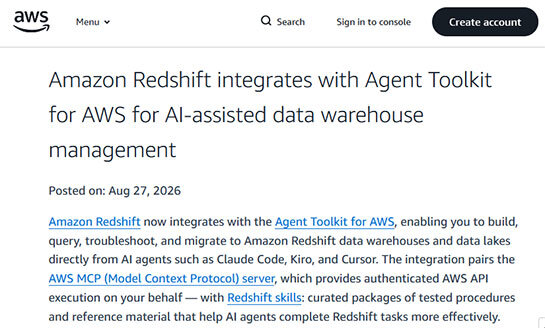
Amazon Web Services (AWS) has integrated its fully managed data warehouse service, Amazon Redshift, with Agent…