Aranya launched with $11 million to turn bare-metal servers into AI clusters in under 48 hours.
The software, clusterdOS, automates infrastructure management and fixes hardware issues.
It has already managed over $500 million in GPU hardware.
What happened
Aranya Inc., a startup founded last year, launched today with $11 million in funding. It provides software that turns raw bare-metal servers into custom, production-ready GPU clusters for AI inference in less than 48 hours.
Why it matters
The company says it addresses a critical bottleneck in AI infrastructure by fixing Kubernetes' shortcomings—it can diagnose and resolve hardware issues like GPU thermal events, not just reschedule workloads. It has already managed over $500 million in GPU hardware for leading AI inference providers and data centers.
What to watch
Aranya plans to expand its engineering and sales/marketing teams and launch a full multicluster interface. The funding includes a $9 million seed led by First Round Capital and a $2 million pre-seed led by Asylum Ventures.
Ask the AI about this article →
Aranya's pitch is that AI inference infrastructure is messy. Real GPU hardware is heterogeneous, and existing orchestration tools like Kubernetes are not designed to handle hardware-level failures. The company claims clusterdOS can absorb that complexity, turning racked servers into a self-healing cluster within 48 hours, a promise it says no other operator consistently matches for custom architecture.
The startup was founded last year and already manages over $500 million in GPU hardware, which suggests early traction with AI inference providers and data centers. The funding, split between a $9 million seed and a $2 million pre-seed, will go toward expanding engineering and sales teams and launching a full multicluster interface. The focus on federated control and utilization monitoring aims to cut downtime and operating costs, which could appeal to organizations running AI workloads at scale.
For example, today's edition would include:
AI-summarized, only the topics you pick — one digest a day via Email, Slack, or Discord.
Free · takes 30 seconds · unsubscribe anytimeWhat is AIToday? →
Ask AI anything about this article. Q&As are published on this page for other readers too.
CBTS Technology Solutions LLC launched Forge Agents, a platform that turns a plain-language job description in…
Phonely Ltd. launched Alma, a large language AI model built for voice agents and trained on over 10 million re…

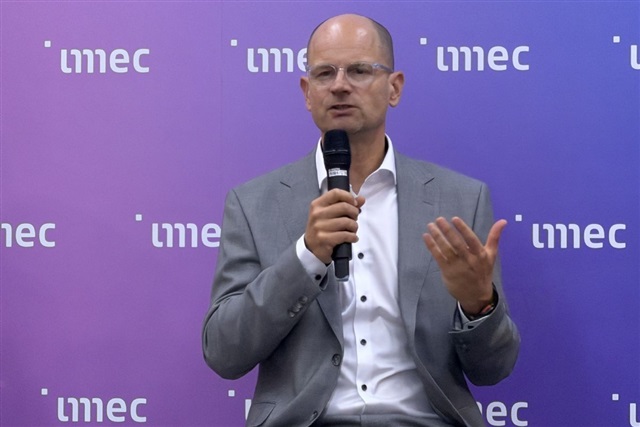
Imec CEO Patrick Vandenameele said at SEMICON Taiwan 2026 that the Belgian research center is broadening its c…
Alphabet's AI Overviews now reach over 2.5 billion monthly users through Google Search, and its ad business ge…
Sarah O’Connor's book 'We Are Not Machines' explores how mechanization and AI have transformed the workforce…
Amazon Web Services (AWS) has integrated its fully managed data warehouse service, Amazon Redshift, with Agent…