What happened
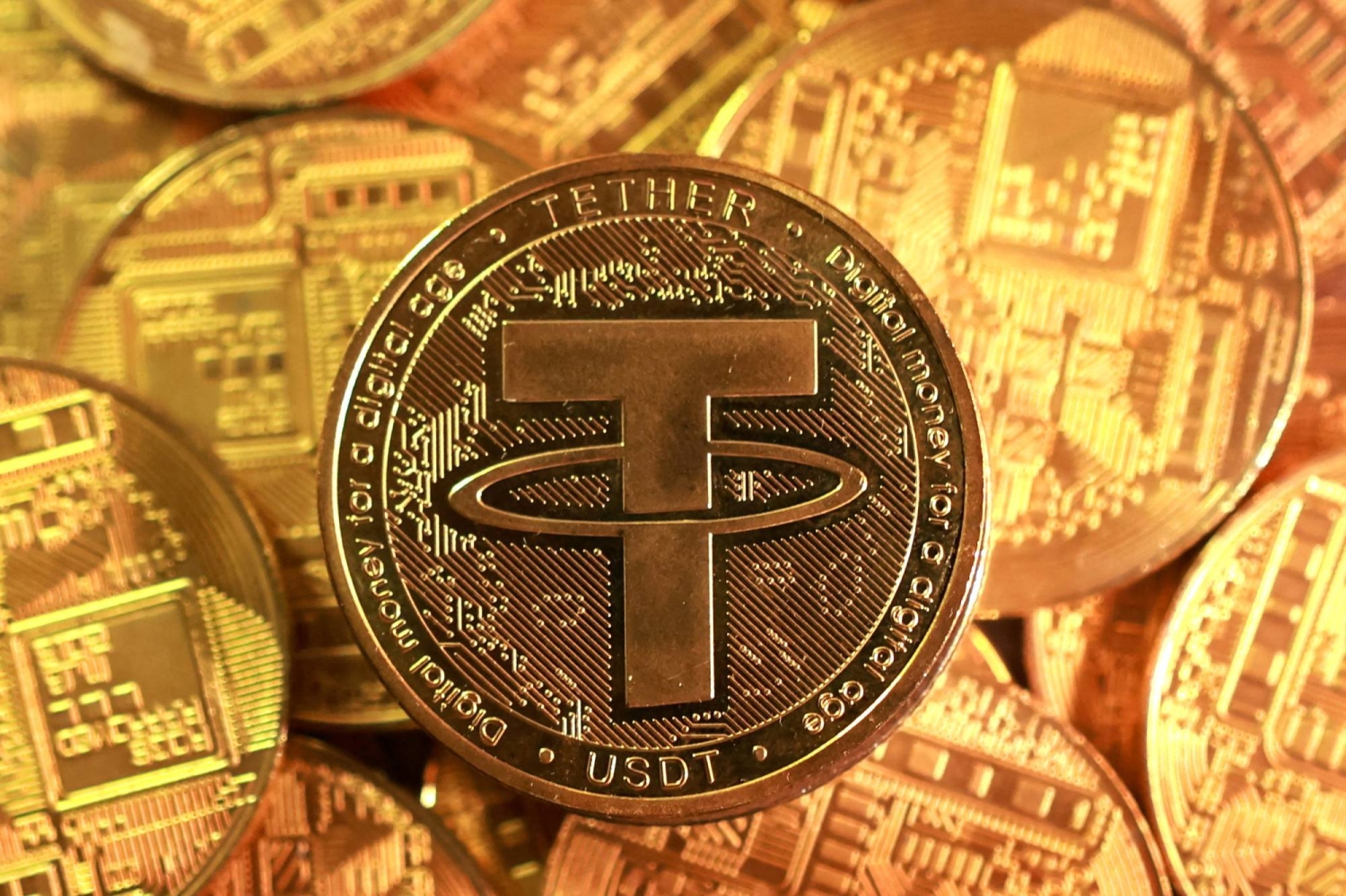
Harvard economist Gita Gopinath presented data at a Basel central bankers gathering showing that up to three-quarters of Tether's USDT and Circle Internet Group's USDC are held in self-custody wallets where users control the cryptographic keys, with about half of all transactions moving between such anonymous wallets. Gopinath stated that stablecoins are now the predominant form of identified illicit activity.
Why it matters
For decades, regulators have worked to reduce financial anonymity by eliminating high-value cash, cracking down on offshore banking secrecy, and tracking bank transfers. Stablecoins reverse this trend by offering cash-like anonymity while bypassing U.S.-regulated intermediaries like Coinbase and Kraken. When stablecoins do reach centralized exchanges, they are mostly in jurisdictions outside the reach of the Genius Act, the U.S. stablecoin regulation passed a year ago—making enforcement difficult.
What to watch
The visibility of stablecoin transactions on the blockchain masks the identities of senders and receivers, creating a financial oversight gap that regulators are grappling with. Former Bank of France Governor Francois Villeroy de Galhau called the research findings "frightening," signaling regulatory concern at the highest levels.
Summaries like this, in your inbox every morning.
The growth of stablecoins in anonymous self-custody wallets represents a fundamental reversal of regulatory trends that have dominated financial oversight for decades. Authorities have systematically reduced financial anonymity through measures like eliminating high-value paper cash, cracking down on offshore banking secrecy, and implementing bank transfer tracking. Stablecoins, particularly Tether's USDT and Circle's USDC, undermine these hard-won safeguards by enabling cash-like transactions that preserve sender and receiver anonymity while remaining visible on the blockchain.
The regulatory challenge is compounded by jurisdictional fragmentation. When stablecoins hit centralized exchanges, they predominantly do so in jurisdictions beyond the reach of U.S. regulation. The Genius Act, passed a year ago as the U.S. stablecoin regulation, has proven insufficient to capture activity happening in self-custody wallets or foreign exchanges. This creates a gap between the regulatory framework's intent and its enforcement reach, a concern that resonates across central banking institutions as evidenced by the alarmed responses from both Harvard's Gopinath and the former Bank of France Governor.
Pick your industry and the AI tools you use, and get news related to your work every day.
Free · 30 seconds with Google · unsubscribe anytimeWhat is AIToday? →
Ask AI anything about this article. The AI reads this article, earlier AIToday articles, and Wikipedia, and cites its sources. Q&As are published on this page for other readers too.

