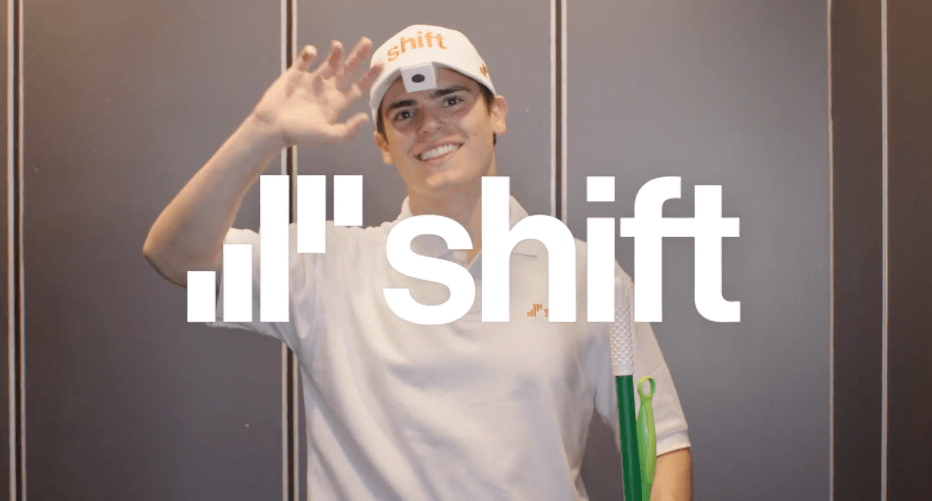
Shift announced on Thursday that it will clean homes for free, recording cleaners as they work to generate training data for robots. The company says the value of this footage is sufficient to fund the service.
Cleaners wear a camera-equipped hat that captures footage from their point of view. Shift says it blurs and anonymizes sensitive details like names, faces, and personal information before using the footage for AI training; cleaners are not Shift employees but are vetted by the company's partners.
The service is initially available only in New York, though Shift's co-CEO Bercan Kilic says it will be available 'very soon' in San Francisco, London, Zurich, and Munich. The free cleanings are available for a 'limited time.' Shift already pays tens of thousands of people across 15 countries to record their activities through its app.
Shift plans to expand beyond cleaning into areas like plumbing, cooking, and building.
Summaries like this, every morning.
Pick your industry and the AI tools you use, and get news related to your work every day.
Free · 30 seconds with Google · unsubscribe anytimeWhat is AIToday? →
Ask AI anything about this article. The AI reads this article, earlier AIToday articles, and Wikipedia, and cites its sources. Q&As are published on this page for other readers too.
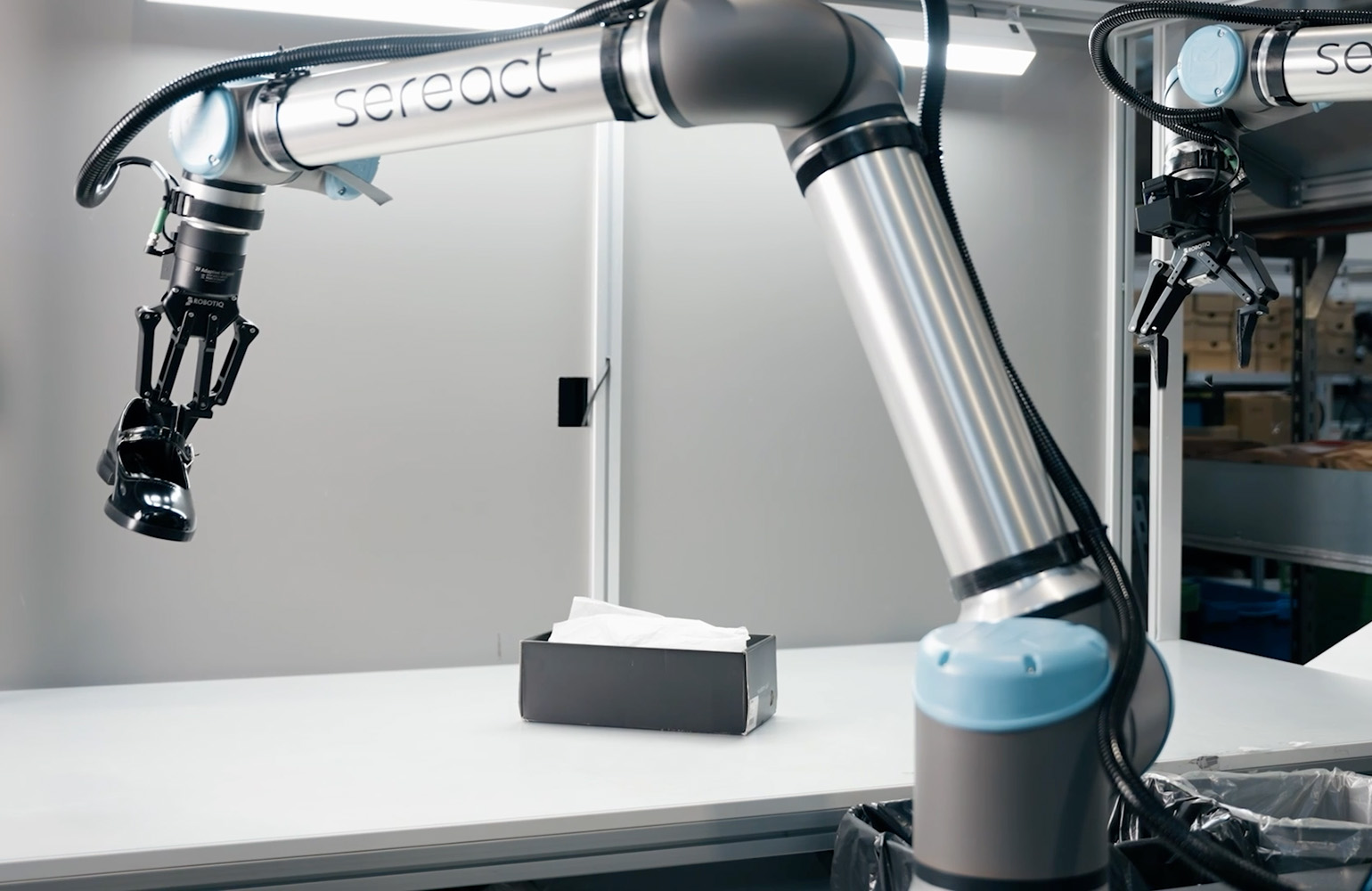
Teradyne Robotics partnered with Sereact to run Sereact's Cortex physical AI platform on Universal Robots arms…
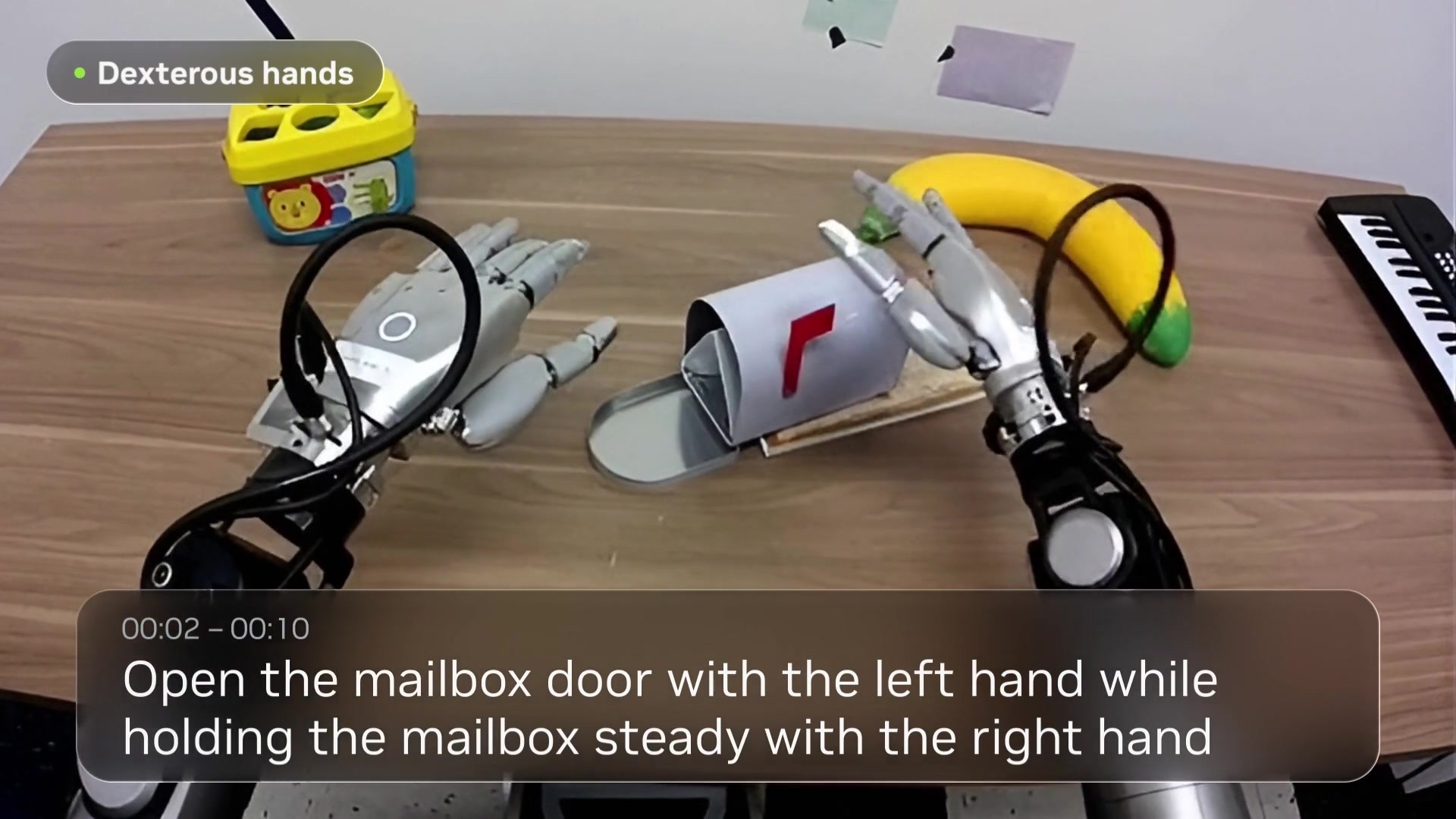
Nvidia open-sourced Flora, a data engine of three fine-tuned Qwen3.5 models that covers all three label types…
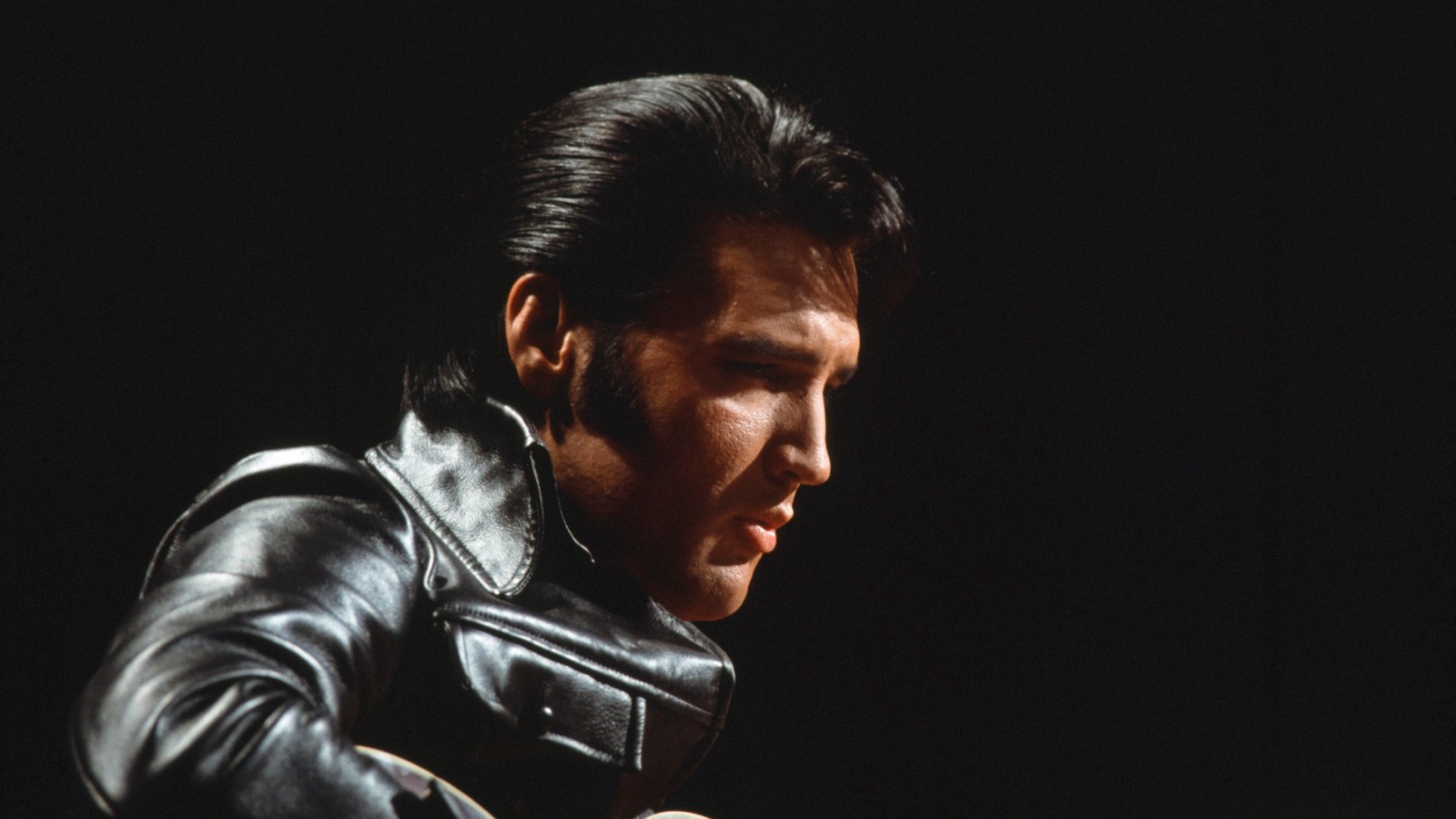
Authentic Brands Group filed suit against Anthropic, alleging Claude was trained on 274 Presley songs, from "A…
Jack Clark, who co-founded Anthropic, now believes recursive self-improvement could become possible as early a…

Anthropic says a single agent that loads context on demand often beats multi-agent setups on quality, cost and…

Rippling CEO Parker Conrad said OpenAI's share of its coding workload rose from 16 to 52 percent, while Anthro…