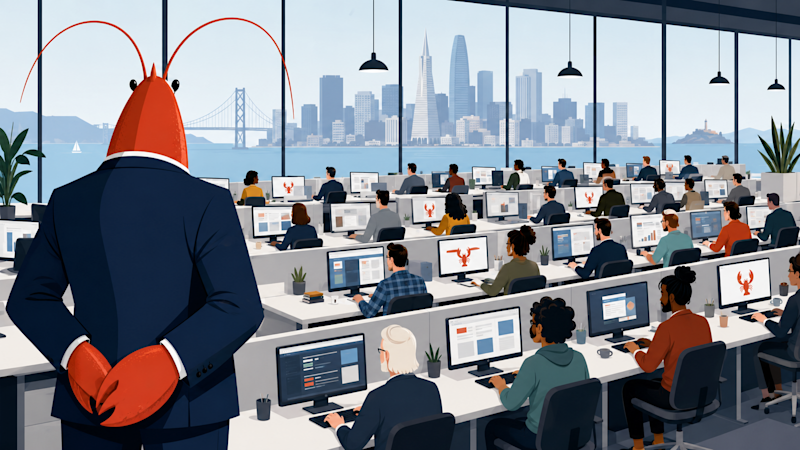
OpenClaw creator Peter Steinberger and co-developers announced OpenClaw 2.0 over the weekend, describing it as the most significant update to the harness and platform yet.
Summaries like this, in your inbox every morning.
Pick your industry and the AI tools you use, and get news related to your work every day.
Free · 30 seconds with Google · unsubscribe anytimeWhat is AIToday? →
Ask AI anything about this article. The AI reads this article, earlier AIToday articles, and Wikipedia, and cites its sources. Q&As are published on this page for other readers too.
Reflection AI introduced Beam, an open-weight model for agentic coding and long-horizon tasks, with 501 billio…
The walkthrough points the CLI at a local mock via the ANTHROPIC_BASE_URL environment variable

A developer released agent-guardrails, a one-script Python standard-library plugin that guards Bash, Write, Ed…
A non-engineer operator says one person ships four smartphone apps on Google Play, three on the App Store, wit…
A Zenn guide explains systems to install before letting AI agents, bots or scheduled jobs post, send, publish…
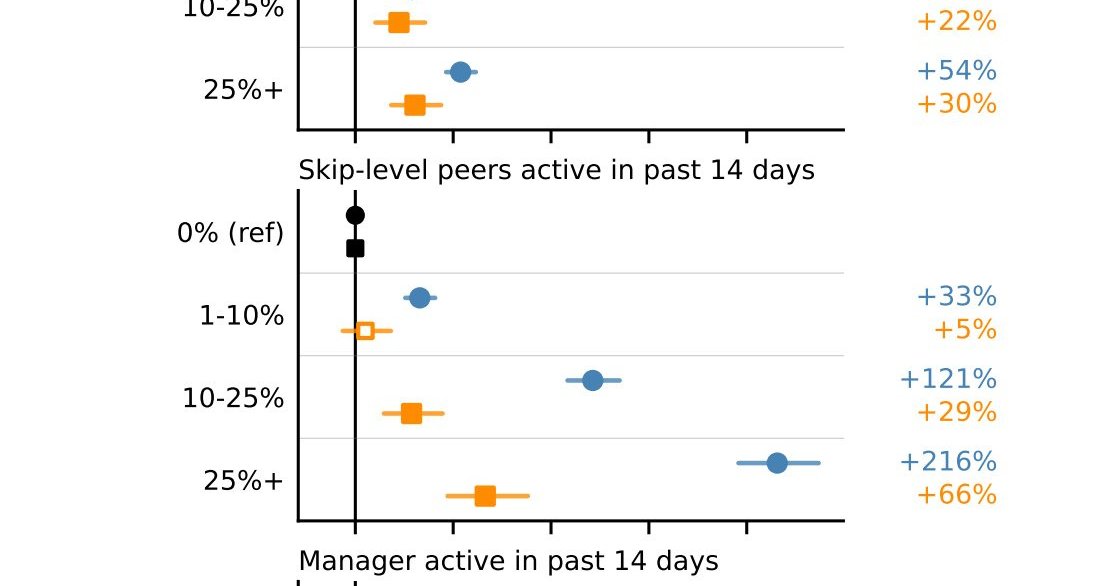
Researchers at Microsoft published a paper titled "Adoption and Impact of Command-Line AI Coding Agents: A Stu…