What happened
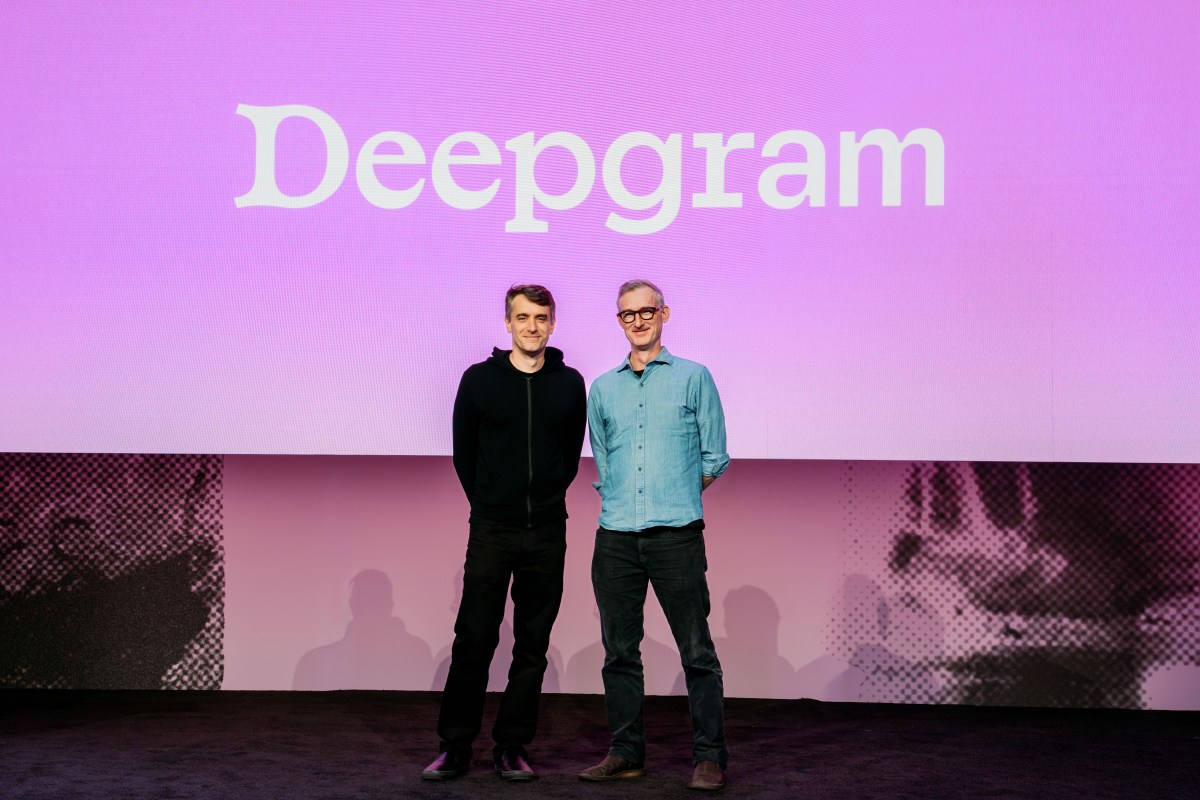
Deepgram said Thursday it is acquiring Daily, maker of the popular open-source Pipecat framework for managing voice and video streams. Deal terms were not disclosed, but both pledged to keep Pipecat open-source and vendor-neutral.
Why it matters
Deepgram gains real-time voice and video infrastructure expertise and a broader developer base, while Pipecat users keep an open orchestration layer, which Daily's Kwindla Kramer called a commercial advantage inside a fast-growing ecosystem.
WHO IT HITSDevelopers building voice agents and product teams choosing real-time voice stacks are most directly affected, since the combined company controls both hosted infrastructure and the open orchestration framework many of them rely on.
Summaries like this, every morning.
Both companies come from the same Y Combinator batch in 2016, and their paths have converged as voice AI moved from experiment to product. Kramer said Daily began experimenting with AI-to-human communication over voice and text around the time GPT-4 came out, which eventually produced Pipecat. Deepgram, meanwhile, reached unicorn status earlier this year with a $130 million Series C round, giving it the resources to buy rather than build an orchestration layer.
The strategic logic on Deepgram's side is openness as a moat. Stephenson said Deepgram has wanted to work in open source for a long time and saw an orchestration framework for agents as the natural entry point. His stated position is that developers should use the best models for their use case even if those are partners' models, with Deepgram improving its own models where it has ground to catch up. Kramer framed the same choice as commercial: sitting in the middle of a fast-growing ecosystem and keeping everything as open as possible is an advantage, which is why he favored Stephenson's commitment over other acquisition interest.
The deal also extends beyond voice. Kramer said Pipecat was never conceived as a voice toolkit but as a toolkit for AI-native software that assumes real-time communication, which gives Deepgram room to explore formats beyond voice. The simultaneous launch of the Real-Time Context Standard with the Pipecat team points to a bid to shape how voice agents handle contextual signals such as a whisper. It lands in a sector where model makers like ElevenLabs, Gradium and Fish Audio and infrastructure players like LiveKit and Vapi have all been raising money this year.
Pick your industry and the AI tools you use, and get news related to your work every day.
Free · 30 seconds with Google · unsubscribe anytimeWhat is AIToday? →
Ask AI anything about this article. The AI reads this article, earlier AIToday articles, and Wikipedia, and cites its sources. Q&As are published on this page for other readers too.
Crux Labs launched with over $6 million in funding led by Benchstrength and Misneach, with Analog Ventures and…

Solink Corp. raised more than $100 million, led by Vertu Capital, with Goldman Sachs also investing; its platf…

Etsy said quarterly active buyers rose for the first time in two years, with revenue up 11% to $692.5 million…

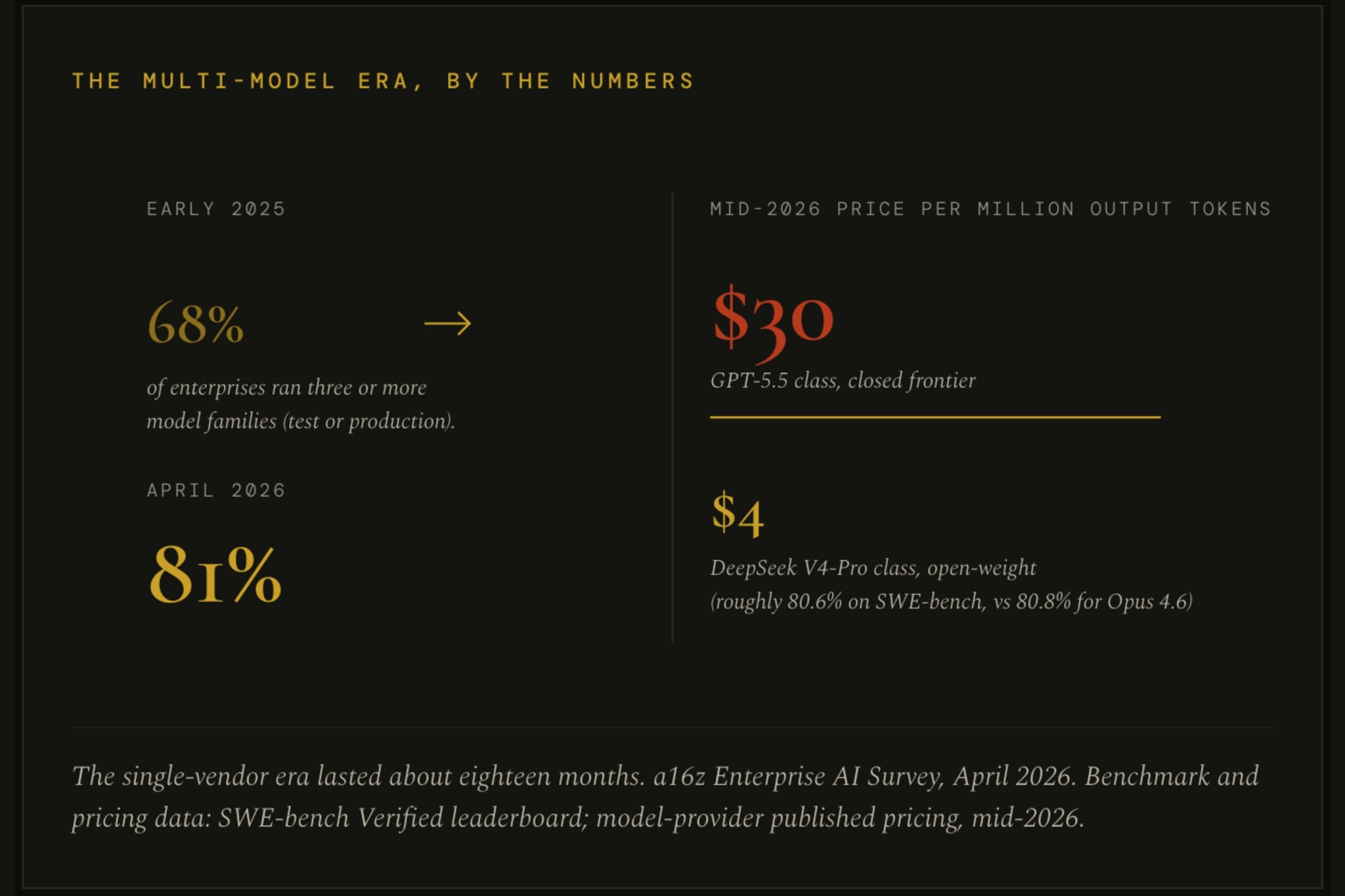
In a Fortune essay, Collective[i] argues companies should treat AI models as swappable commodities and own the…
Nscale is asking US investors for a roughly $30 billion valuation on first-half 2026 revenue of $140.6 million…

Amazon added more than 100 new shopping-related capabilities to Alexa, including subscription and list managem…