What happened
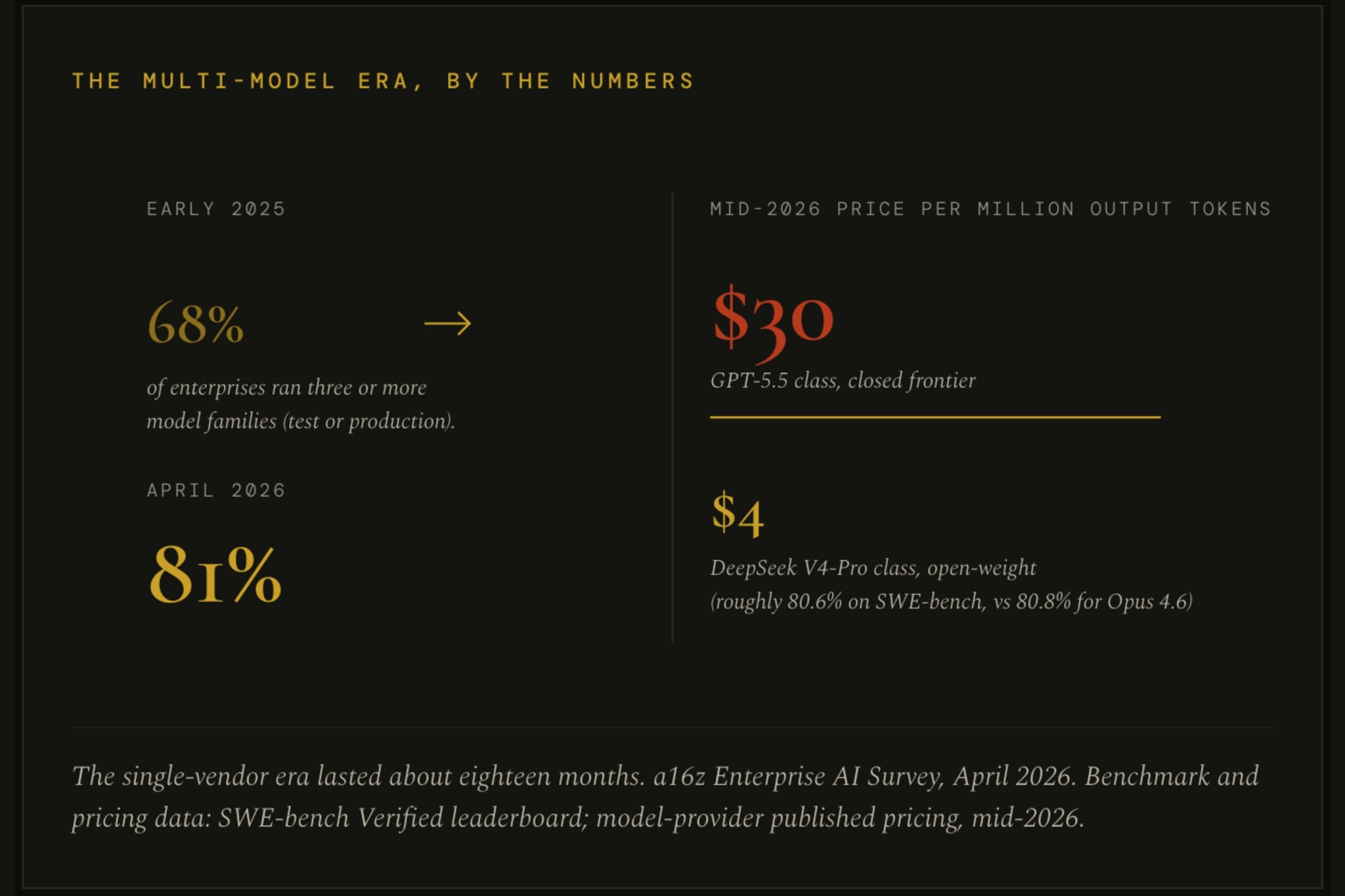
In a Fortune essay, Collective[i] argues companies should treat AI models as swappable commodities and own the 'harness' that orchestrates many models into one business outcome.
Why it matters
Collective[i] warns that ceding that orchestration layer to one AI lab makes every other model vendor a subcontractor, turning the business into a subscription to that lab's roadmap.
Summaries like this, every morning.
The essay frames its argument through Tiger Woods rebuilding his swing in 2004 despite already being the world's top golfer, a parallel for companies whose numbers look fine while they tweak a workflow with a language model and call it AI adoption. It contrasts two kinds of network effects: the LinkShare affiliate network it built, where affiliates and merchants stayed because the network made their lives easier, and vendor arrangements where the cost of leaving exceeds the value of staying, leaving the customer, in its words, a hostage with a renewal date. Collective[i] points to the enterprise mood shifting off ChatGPT and onto Claude within weeks after the Department of War contract decision, then a second wave to open-weight models, as evidence that switching is hard to control. It also cites a Morningstar analysis in early 2026 finding four of the five classic moat pillars had lost most of their predictive power under AI exposure, with the most exposed companies underperforming resilient ones by close to 26 percentage points in the first months of the year. The piece describes two responses it attributes to the frontier labs: pushing for AI regulation framed as safety that would raise compliance bars, and sending forward-deployed engineers into Fortune 500 companies at zero cost so production workflows end up wired to that lab's model. On cost, it cites OpenRouter and Neurometric.ai's task-based routing, where a company burning two hundred thousand a month on frontier inference routes its top workload to a smaller model and watches the line collapse. The closing recommendation is to own three portable things: the gateway, the agent blueprint, and the context layer, with the Model Context Protocol named as an open standard now stewarded by the Agentic AI Foundation that Anthropic, OpenAI, and Block helped launch.
Pick your industry and the AI tools you use, and get news related to your work every day.
Free · 30 seconds with Google · unsubscribe anytimeWhat is AIToday? →
Ask AI anything about this article. The AI reads this article, earlier AIToday articles, and Wikipedia, and cites its sources. Q&As are published on this page for other readers too.
Crux Labs launched with over $6 million in funding led by Benchstrength and Misneach, with Analog Ventures and…

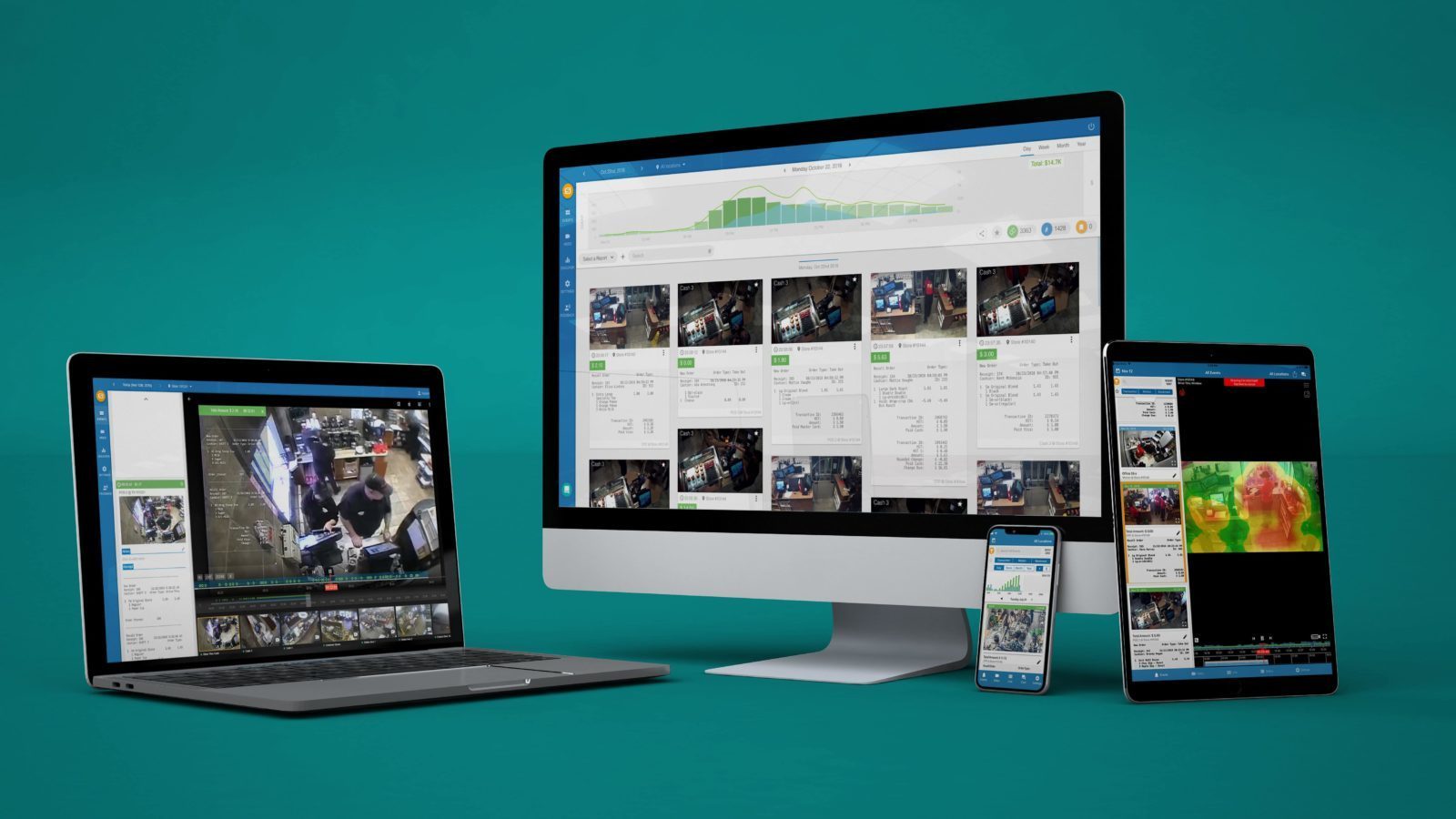
Solink Corp. raised more than $100 million, led by Vertu Capital, with Goldman Sachs also investing; its platf…
Etsy said quarterly active buyers rose for the first time in two years, with revenue up 11% to $692.5 million…
A 31-year-old Seattle woman on epilepsy medication died in February 2026; her parents sued OpenAI in October 2…

Nscale is asking US investors for a roughly $30 billion valuation on first-half 2026 revenue of $140.6 million…

Studying the four most widely used agent frameworks, Partnership on AI researchers found key observability req…