What happened
The guide maps four model-adaptation methods — prompt engineering, RAG, fine-tuning and continued pre-training — and says the split between the last two comes down to whether the data is labeled.
Why it matters
Readers preparing for the exam can pick the right method by spotting keywords, such as labeled data pointing to fine-tuning and frequently updated internal documents pointing to RAG.
Summaries like this, every morning.
The guide frames model adaptation as a choice along two axes: whether the model's weights (parameters) change, and whether the data carries labels. Prompt engineering and RAG sit on the no-change side, while fine-tuning and continued pre-training sit on the change side. Within the change side, the label question is the fork in the road, and the guide treats it as the single most commonly tested distinction.
It also ties the methods to concrete formats on Amazon Bedrock. Fine-tuning data goes to Amazon S3 as JSON Lines with prompt and completion pairs, and the guide notes AWS documentation says up to 10,000 examples can be specified and that hundreds of examples may already improve performance. Continued pre-training takes plain text lines with no labels, with up to 100,000 entries and effectiveness from data on the order of 1 billion tokens, which the guide calls a heavier method.
RAG is presented as the option for freshness: in Amazon Bedrock, Knowledge Bases handles the flow from ingestion through chunking, embedding and retrieval to adding context to the prompt, so replacing documents refreshes answers without retraining. The guide also positions data augmentation as a supplement rather than an alternative, and warns against confusing continued pre-training with pre-training from scratch or with distillation, which trains a smaller model on a larger model's outputs to cut inference cost.
Pick your industry and the AI tools you use, and get news related to your work every day.
Free · 30 seconds with Google · unsubscribe anytimeWhat is AIToday? →
Ask AI anything about this article. The AI reads this article, earlier AIToday articles, and Wikipedia, and cites its sources. Q&As are published on this page for other readers too.
OpenRouter ran Qwen3.8 27B through fp16, fp8 and fp4 endpoints from providers including Cerebras, Parasail, Co…

Jessica Wachtel ran each model once per test through its vendor API at default settings on a month-end close…

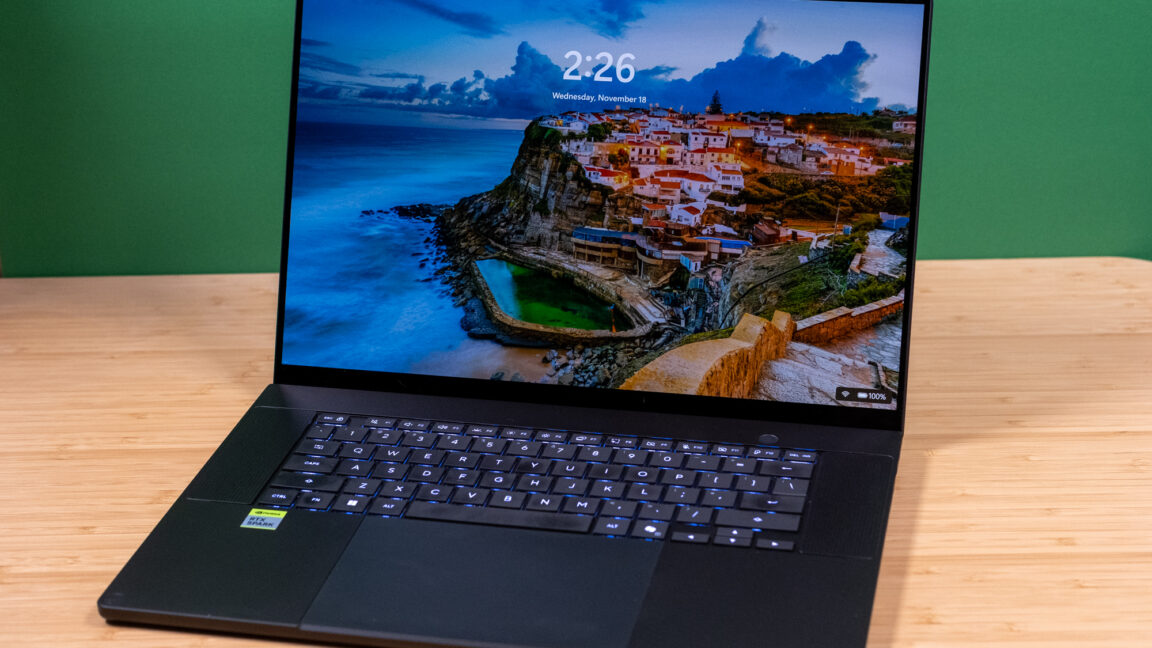
Ars Technica's Ryan Whitwam reviewed the Asus ProArt P16, which uses Nvidia's RTX Spark chip and up to 128GB o…
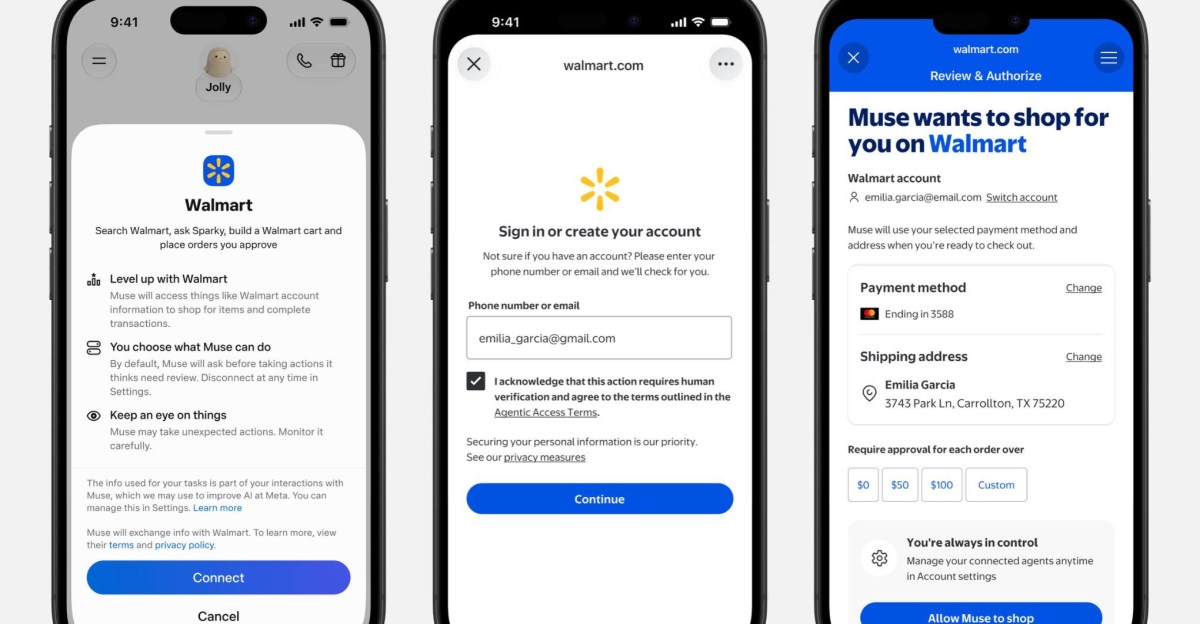
Walmart is rolling out its Agent Gateway live on November 24th, letting Meta's Muse AI agent find and purchase…
Jonathon Nostrant, whose Los Angeles home was damaged in the January 2025 Palisades fire, co-founded Miami-bas…

Hugging Face froze Qwen3.8-27B and trained adapter weights inside agent harnesses; the adapter model hit 55% t…