What happened
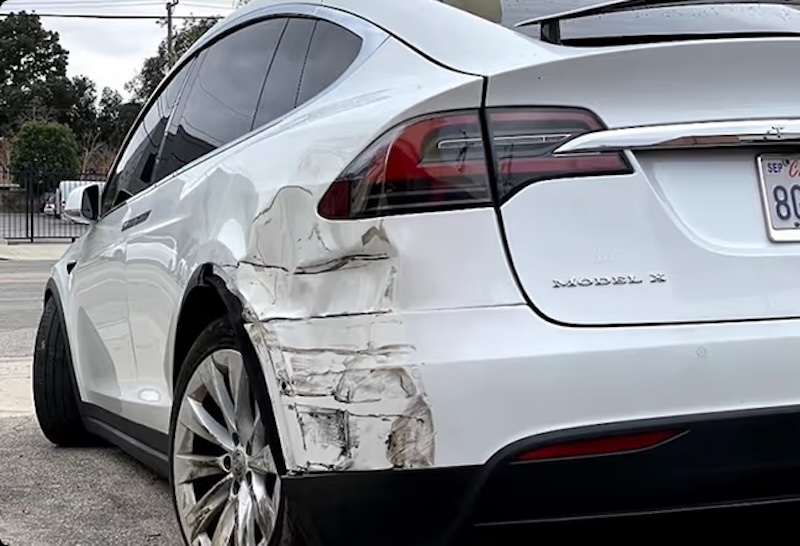
The automotive industry is adopting everyday digital tools—diagnostic equipment for repairs, contract management software for paperwork, and online tracking systems for vehicle transport—to streamline operations across shops, dealerships, and logistics.
Why it matters
Modern vehicles require precise calibration of safety systems after damage; digital document management reduces human error and frees staff from manual filing; real-time transport tracking eliminates confusion and delays. These tools make operations faster and safer without replacing workers.
What to watch
The article suggests adoption will accelerate as technology becomes more accessible and affordable, though it does not name specific timelines, pricing, or adoption metrics.
Summaries like this, in your inbox every morning.
The article frames a shift in automotive operations toward digital solutions not as industry-wide disruption but as incremental, practical adoption of everyday tools already proven in other sectors. The three domains it highlights—repair diagnostics, business administration, and logistics—share a common pattern: replacing paper-based, manual, phone-dependent workflows with automated, online, and trackable systems. The repair segment's emphasis on precision calibration reflects a real constraint: modern vehicles' safety systems (automatic braking, lane assist) require exact alignment after damage, making traditional hand tools insufficient. The logistics section notes that real-time tracking and online booking address specific pain points—uncertainty about delivery times, frequent phone calls, paper forms—that create delays and customer anxiety. The article avoids claiming job displacement; instead, it argues that automation handles repetitive administrative work (filing, document searches, phone coordination), freeing human staff to focus on higher-value tasks like customer interaction and skilled repair work. The article does not provide adoption rates, cost savings, or timelines for industry-wide implementation; it treats these changes as already underway but does not quantify their penetration or timeline.
Pick your industry and the AI tools you use, and get news related to your work every day.
Free · 30 seconds with Google · unsubscribe anytimeWhat is AIToday? →
Ask AI anything about this article. The AI reads this article, earlier AIToday articles, and Wikipedia, and cites its sources. Q&As are published on this page for other readers too.
In Q2, billionaires or their funds sold six 'Magnificent Seven' AI stocks

Nvidia was rising early Friday, even as the wider chip sector kept falling, Barron's reported

ElevenLabs completed a $300 million employee tender at a $22 billion valuation, and co-founder Mati Staniszews…

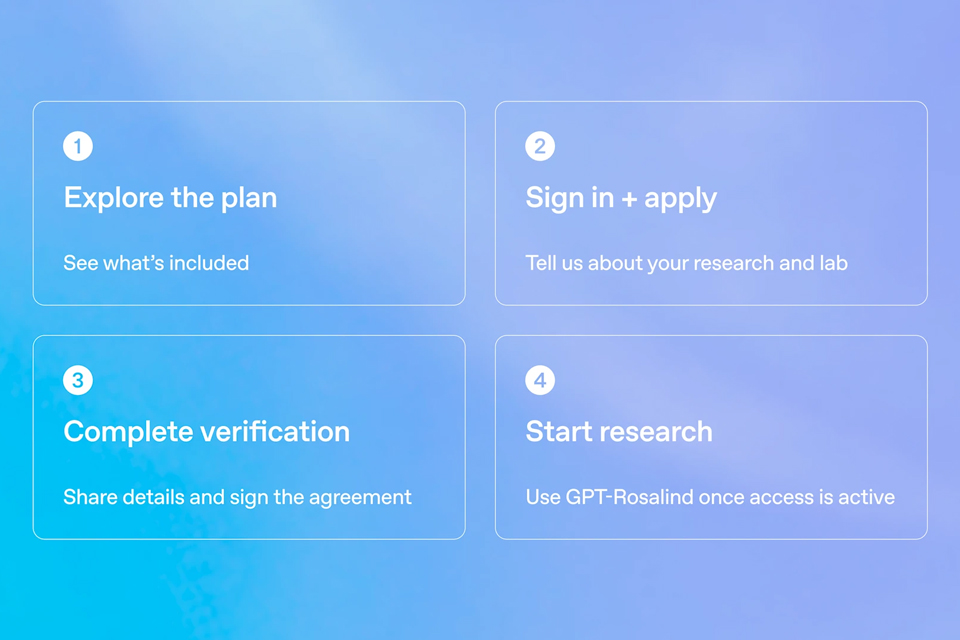
On October 15, OpenAI announced the Rosalind Academic Plan, giving approved US university labs free access to…
JR Central announced the S0系 on October 16, its first full model change since the N700S, with commercial servi…

Neostellar Capital principal Evan Schlossman said CoreWeave's $103.7 billion in remaining performance obligati…