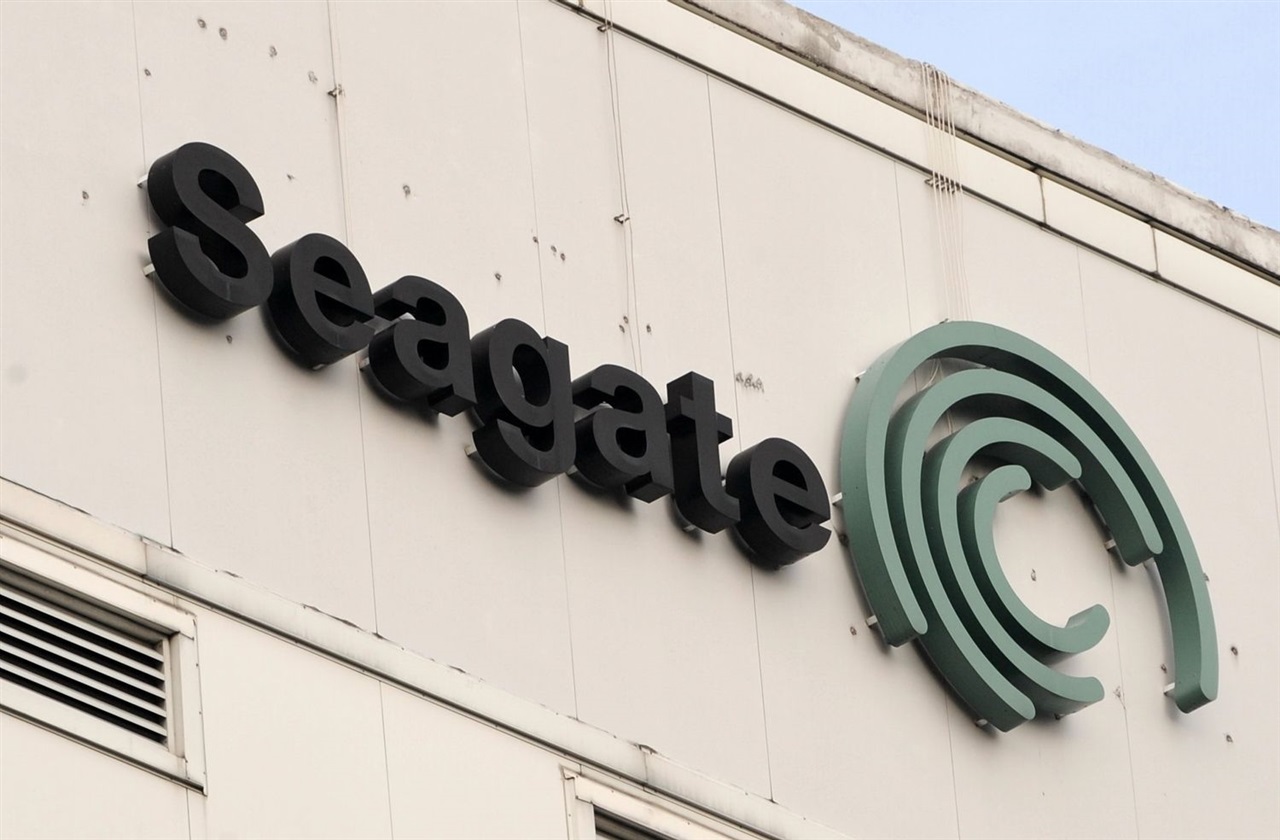
Seagate Technology reported sharply higher revenue and profit for fiscal Q4 on July 28, driven by sustained demand from cloud data center customers purchasing higher-capacity storage products for AI infrastructure. The company is forecasting strong growth for the next quarter, suggesting continued momentum in AI-driven cloud investment.
Summaries like this, in your inbox every morning.
Sign up free →What happened
Seagate Technology reported sharply higher revenue and profit for fiscal Q4 on July 28, driven by continued demand from cloud data center customers and higher-capacity storage products tied to AI infrastructure.
Why it matters
AI-driven demand for data center storage remains robust, signaling sustained investment by cloud providers in infrastructure to support AI workloads. This suggests the wave of enterprise AI adoption is translating into real hardware demand.
What to watch
Seagate forecasts strong growth for fiscal Q1, indicating management's confidence that AI-driven cloud demand will persist into the coming quarter.
Seagate Technology reported results for fiscal Q4 on July 28, posting sharply higher revenue and profit. The company attributed this strong performance to continued demand from cloud data center customers and increased orders for higher-capacity storage products designed to support artificial intelligence infrastructure.
The strong quarter reflects ongoing investment by major cloud providers in the hardware foundation required to serve AI workloads. As enterprises and cloud operators expand their AI capabilities, they require substantial increases in storage capacity—both for training datasets and for inference systems that power deployed AI applications.
Looking ahead, Seagate issued a forecast for strong growth in fiscal Q1, signaling management confidence that the current wave of AI-driven cloud infrastructure spending will persist into the coming quarter. This outlook suggests the company expects no material interruption to cloud data center procurement cycles in the near term.
Seagate's strong fiscal Q4 performance reflects the sustained momentum in AI infrastructure spending. Cloud data center operators continue to invest in storage capacity to support the growing computational demands of AI workloads, particularly for training and deployment of large language models and other AI systems. The company's focus on higher-capacity storage products positions it to benefit directly from this trend.
The forward guidance for fiscal Q1 suggests that management sees no near-term slowdown in this cycle. This confidence in sustained demand is significant because storage hardware is a foundational layer in data center buildouts—strong demand at Seagate typically indicates broader, capital-intensive infrastructure investments are under way at major cloud providers.
AI-summarized, only the topics you pick — one digest a day via Email, Slack, or Discord.
Free · takes 30 seconds · unsubscribe anytime
No comments yet. Be the first to share your thoughts!
Log in to join the discussion





Get curated AI news from 200+ sources delivered daily to your inbox. Free to use.
Get Started FreeFree · takes 30 seconds · unsubscribe anytime
