
What happened
The global AI in medical coding market was valued at approximately USD 3 Billion in 2025, is expected to reach USD 3.4 Billion in 2026, and is projected to grow to around USD 10.6 Billion by 2035, at a CAGR of 13.5% during the forecast period from 2026 to 2035.
Why it matters
AI-powered medical coding automates code assignment, fraud detection, compliance monitoring, and risk adjustment — functions that healthcare providers and payers rely on for billing accuracy and regulatory compliance. The market expansion reflects growing adoption of automation in healthcare administrative workflows.
What to watch
Key players in the market include 3M Company, Optum Inc. (UnitedHealth Group), Nuance Communications Inc. (Microsoft), Oracle Health (Cerner), Dolbey Systems Inc., Aviacode (GeBBS Healthcare Solutions), Iodine Software, CodaMetrix Inc., AGS Health LLC, and R1 RCM Inc.
Summaries like this, in your inbox every morning.
The AI medical coding market reflects a broader shift in healthcare toward automation of administrative and compliance workflows. The market research identifies applications spanning code assignment (the core function), fraud detection and compliance monitoring (risk mitigation), and risk adjustment coding (financial optimization). End users include both healthcare providers—who generate and submit codes for billing—and payers, who process claims and enforce compliance.
The forecast assumes sustained growth at 13.5% annually through 2035, more than tripling the market's size in a decade. Key players span large diversified healthcare IT firms (3M, Optum, Microsoft through Nuance, Oracle through Cerner) and specialized coding software vendors (Dolbey, CodaMetrix, Iodine Software). The report notes that deployment occurs via both cloud and on-premise modes, reflecting variation in healthcare IT infrastructure maturity and regulatory requirements across organizations.
Pick your industry and the AI tools you use, and get news related to your work every day.
Free · 30 seconds with Google · unsubscribe anytimeWhat is AIToday? →
Ask AI anything about this article. The AI reads this article, earlier AIToday articles, and Wikipedia, and cites its sources. Q&As are published on this page for other readers too.
Chunghwa Telecom president Rong-shy Lin said the shift from conversational AI to autonomous AI agents is resha…
CoreWeave fell 5% in premarket trading Friday and was on track to finish the week down 15%, after rebounding f…
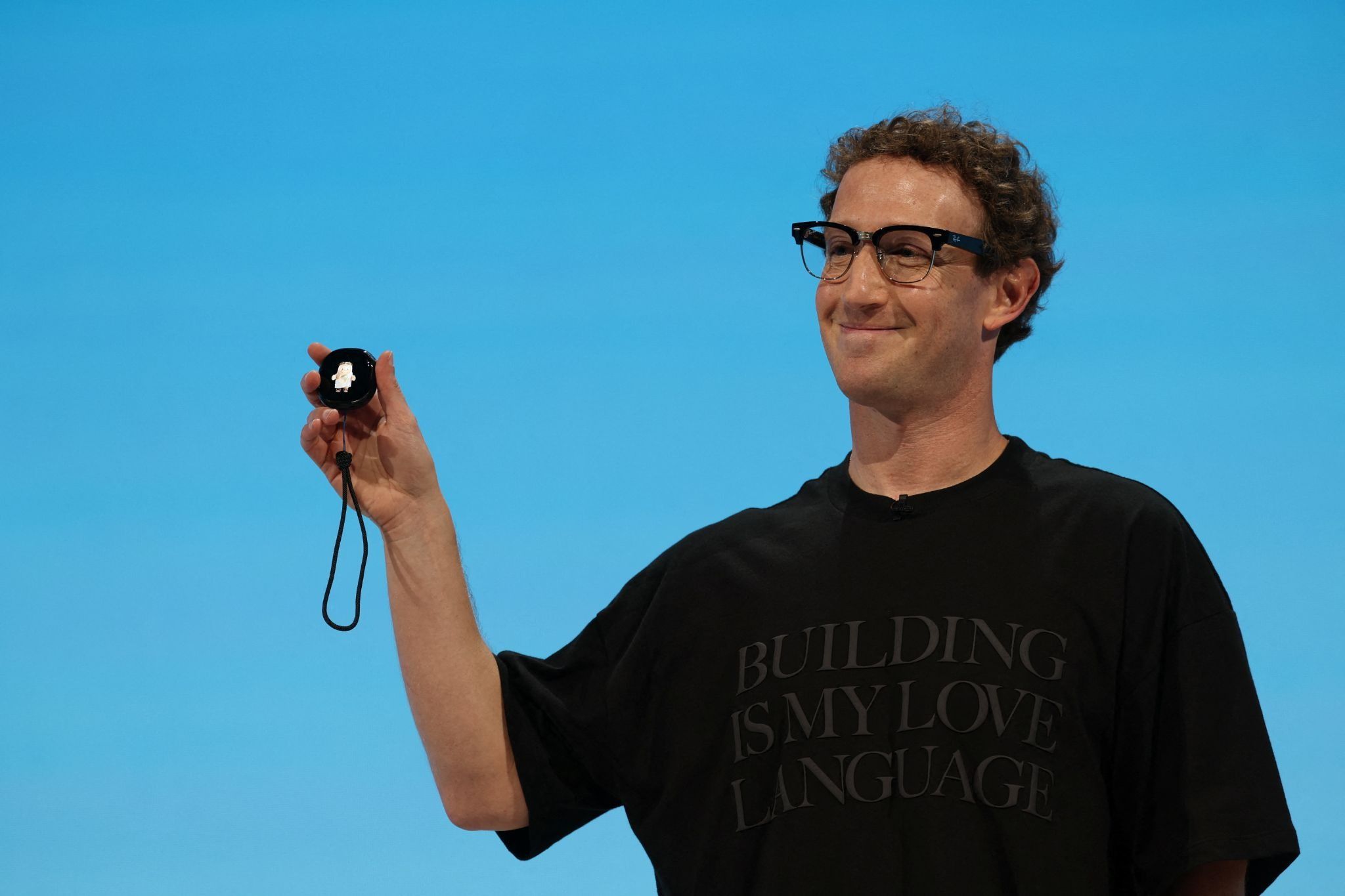
Apple and Meta said they would jointly release a new open-weight AI model designed to run on high-end Macs, ai…
Investors put $38.5 billion into Asian startups in Q3, per Crunchbase data

A longtime Anthropic investor told Fortune he expects shares priced around $1.8 trillion, below the company's…
In Q2, billionaires or their funds sold six 'Magnificent Seven' AI stocks