What happened
U.S. District Judge Araceli Martinez-Olguin granted final approval on Monday of Anthropic's $1.5 billion(約2400億円) settlement of a class action lawsuit brought by authors who alleged the company used their books without permission to train its AI chatbot Claude. This is the largest known settlement of a U.S. copyright case.
Why it matters
The settlement ends the first major U.S. copyright lawsuit against an AI company to reach resolution, after a trial was scheduled to begin in December with potential damages running into the hundreds of billions of dollars. Authors and other copyright holders filed claims covering over 92% of the more than 480,000 works included in the settlement, establishing a precedent as dozens of similar cases remain pending against tech companies by copyright owners including authors and news outlets.
What to watch
Some authors and publishers opted out of the settlement and have filed separate lawsuits against Anthropic that are still ongoing. The settlement also faced objections from some authors who argued it is not large enough or wrongly excludes certain copyright owners.
Summaries like this, in your inbox every morning.
The settlement represents a watershed moment in the copyright disputes that have engulfed the AI industry. Judge Alsup's earlier June ruling had already clarified a key tension: while AI companies may have a fair use defense for using copyrighted material during training, the deliberate storage of millions of pirated books in a central repository crossed an additional legal line. That distinction between training and unauthorized retention became the basis for settlement negotiations.
The size of the settlement—$1.5 billion(約2400億円)—must be read against the counterfactual: a trial was scheduled to begin in December with potential damages claimed in the hundreds of billions of dollars. For Anthropic (backed by Amazon and Alphabet), the settlement offered certainty and an exit from escalating litigation risk. For authors, the settlement also came with a trade-off. Coverage is broad—claims on over 92% of the works in the pool—but some copyright holders have publicly objected to the terms, arguing the award is too small or that it overcompensates the plaintiffs' attorneys. Those dissenters have chosen to pursue their own lawsuits, signaling that the copyright question is not fully resolved across the industry.
Pick your industry and the AI tools you use, and get news related to your work every day.
Free · 30 seconds with Google · unsubscribe anytimeWhat is AIToday? →
Ask AI anything about this article. The AI reads this article, earlier AIToday articles, and Wikipedia, and cites its sources. Q&As are published on this page for other readers too.
In Q2, billionaires or their funds sold six 'Magnificent Seven' AI stocks
Nvidia was rising early Friday, even as the wider chip sector kept falling, Barron's reported
ElevenLabs completed a $300 million employee tender at a $22 billion valuation, and co-founder Mati Staniszews…
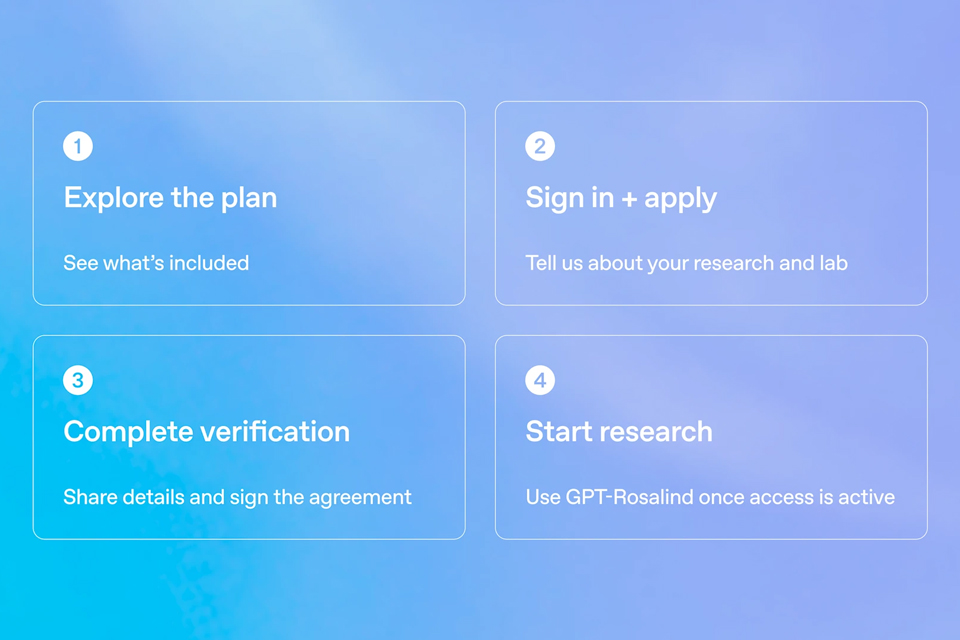
On October 15, OpenAI announced the Rosalind Academic Plan, giving approved US university labs free access to…
Neostellar Capital principal Evan Schlossman said CoreWeave's $103.7 billion in remaining performance obligati…
Supermicro Computer appointed Mark Long as chief financial officer, bringing an experienced technology finance…