What happened
Amazon Bedrock AgentCore Evaluations now decouples agent evaluation from the framework choice. It reads telemetry via OpenTelemetry, supporting LangGraph, LlamaIndex, OpenAI Agents SDK, Google ADK, Claude Agent SDK, and Strands Agents, with coverage extending to any library using a compliant prefix.
Why it matters
Teams can now score any agent identically (using GoalSuccessRate, Correctness, Helpfulness, or custom LLM-as-a-judge) regardless of the underlying SDK. This removes the need to rebuild evaluation pipelines when switching frameworks, addressing a major source of fragmentation in production agent development.
What to watch
The service relies on spans carrying a session.id matching the runtimeSessionId, and for existing pre-unified observability agents, message content must be included; otherwise response-quality evaluators return an error. Future frameworks just need to install a compliant instrumentation package to be supported.
Summaries like this, in your inbox every morning.
The announcement addresses a pain point for teams building production agents: evaluation tooling historically required a specific SDK, LLM client, or tracing pattern. By standardizing on OpenTelemetry, Amazon Bedrock AgentCore Evaluations lets teams switch frameworks without losing the ability to score agent performance. The service reads three span roles—invoke agent, inference, and execute tool—from OpenTelemetry GenAI conventions or OpenInference, bridging both schemas. This means teams can use whatever framework suits their needs—LangGraph for workflow, LlamaIndex for retrieval, or OpenAI Agents SDK for GPT standardization—and still compare results with the same evaluators.
The coverage extends beyond the named frameworks via generic paths for OpenTelemetry or OpenInference instrumentation. Any library that deliberately conforms to these schemas is supported, making it easy for new frameworks to integrate. The main caveat is data grouping: the session.id must match, and message content must be present. For existing agents with pre-unified observability, this requires including the correlated event records; otherwise, response-quality evaluators fail. This is a practical limitation teams should plan for when adopting the service.
Pick your industry and the AI tools you use, and get news related to your work every day.
Free · 30 seconds with Google · unsubscribe anytimeWhat is AIToday? →
Ask AI anything about this article. The AI reads this article, earlier AIToday articles, and Wikipedia, and cites its sources. Q&As are published on this page for other readers too.
ElevenLabs completed a $300 million employee tender at a $22 billion valuation, and co-founder Mati Staniszews…

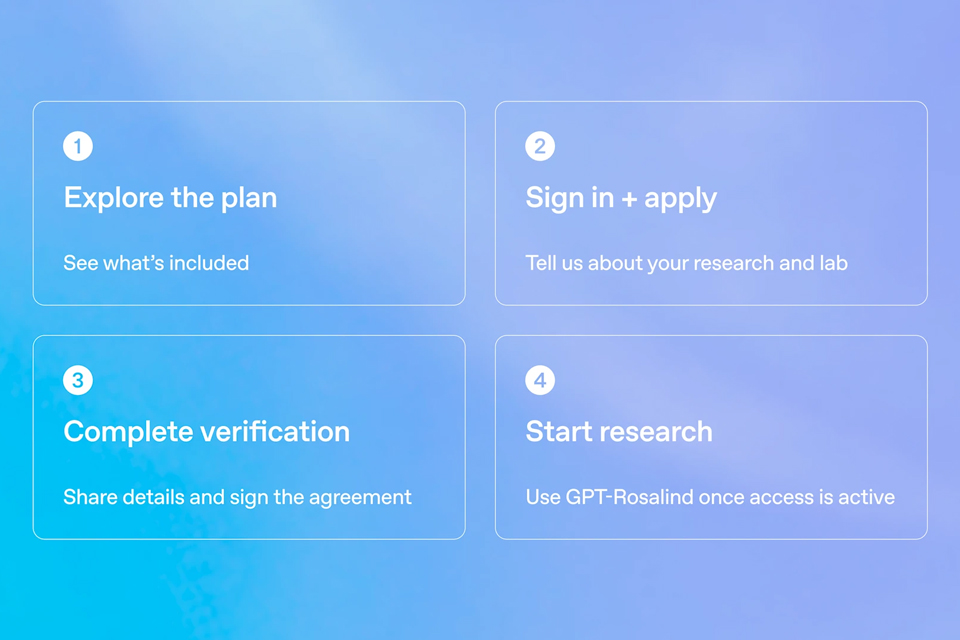
On October 15, OpenAI announced the Rosalind Academic Plan, giving approved US university labs free access to…
A Qiita article compared automated red-teaming methods for LLM apps — GCG, PAIR, and TAP — using mock implemen…

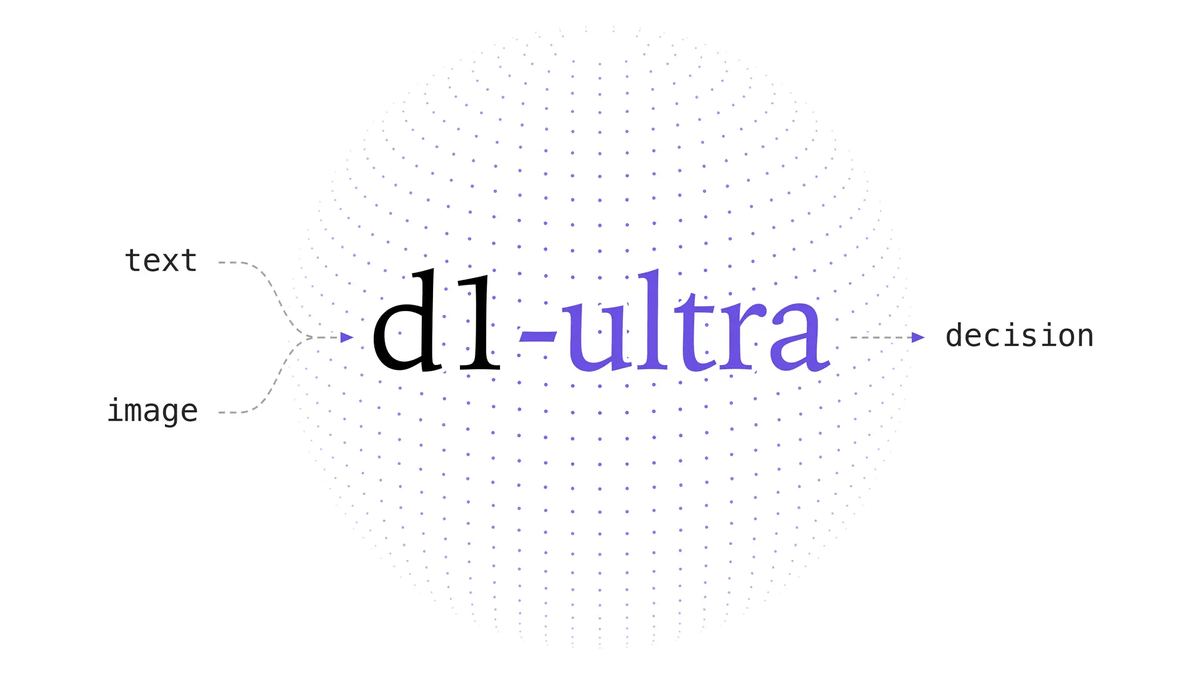
Liquid AI released d1-ultra on October 15, 2026, an upgraded open-weights decision model that averaged 76.7 ac…
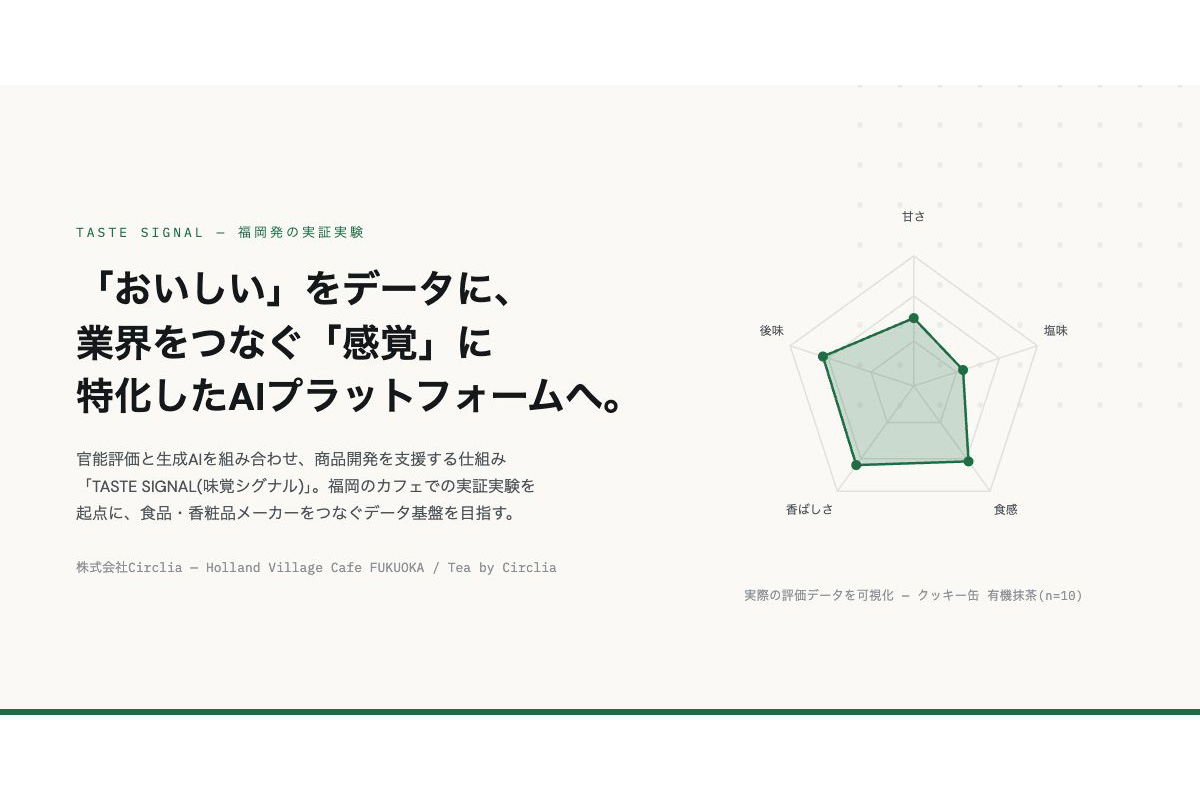
Circlia started a proof-of-concept for TASTE SIGNAL: visitors to Holland Village Cafe FUKUOKA taste cookies an…
In a webinar hosted by French Mathematical Society president Isabelle Gallagher, Fields Medal winner Hugo Dumi…

