What happened
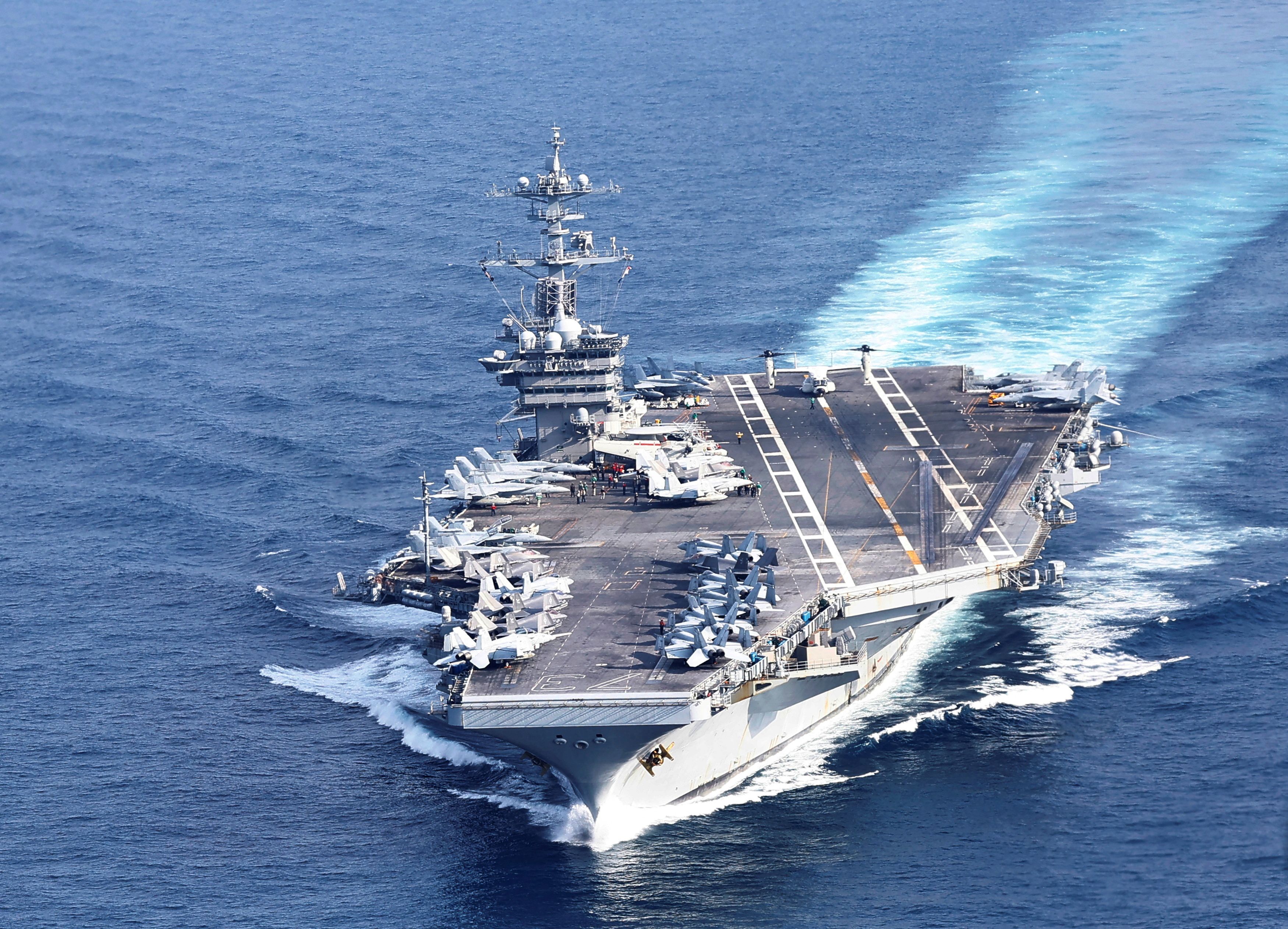
China is expanding its presence in the Asia-Pacific region while the United States focuses military resources on the Middle East, according to analysts. Washington withdrew an aircraft carrier from the Pacific and has drawn criticism for its stance toward South Korea. Meanwhile, Beijing is installing permanent infrastructure in Taiwan's exclusive economic zone and increasing pressure on the Philippines in disputed waters.
Why it matters
The shift signals a potential end to the US "Asia pivot"—a strategy from the Obama era meant to maintain American influence in the region. Asian nations are growing uncertain about US willingness to counter Chinese expansion, which could reshape the regional balance of power and influence how smaller nations navigate great-power competition.
What to watch
Whether the US adjusts its Middle East commitment to restore military presence in the Pacific, and how Asian allies respond to growing Chinese pressure—particularly the Philippines and around Taiwan.
Summaries like this, in your inbox every morning.
The article reflects a significant shift in US geopolitical priorities. Under the Obama administration, the "Asia pivot" represented a deliberate strategy to maintain American influence in the Pacific as China's power grew. The current withdrawal of naval assets and criticism of South Korea suggest that commitment has weakened, creating what analysts describe as a strategic opening for Beijing.
China appears to be moving quickly to consolidate its position. By installing permanent infrastructure in Taiwan's exclusive economic zone and pressing the Philippines in contested waters, Beijing is taking concrete steps to cement its claims and presence. The timing—coinciding with reduced US focus—is unlikely to be accidental. The article quotes a New York Times diplomatic correspondent observing that "no one expects China to curb its expansionist activities in the region anytime soon," and notes that Asian nations harbor "growing doubts" about US resolve. This erosion of confidence among US allies may amplify China's leverage in future disputes.
Pick your industry and the AI tools you use, and get news related to your work every day.
Free · 30 seconds with Google · unsubscribe anytimeWhat is AIToday? →
Ask AI anything about this article. The AI reads this article, earlier AIToday articles, and Wikipedia, and cites its sources. Q&As are published on this page for other readers too.

