What happened
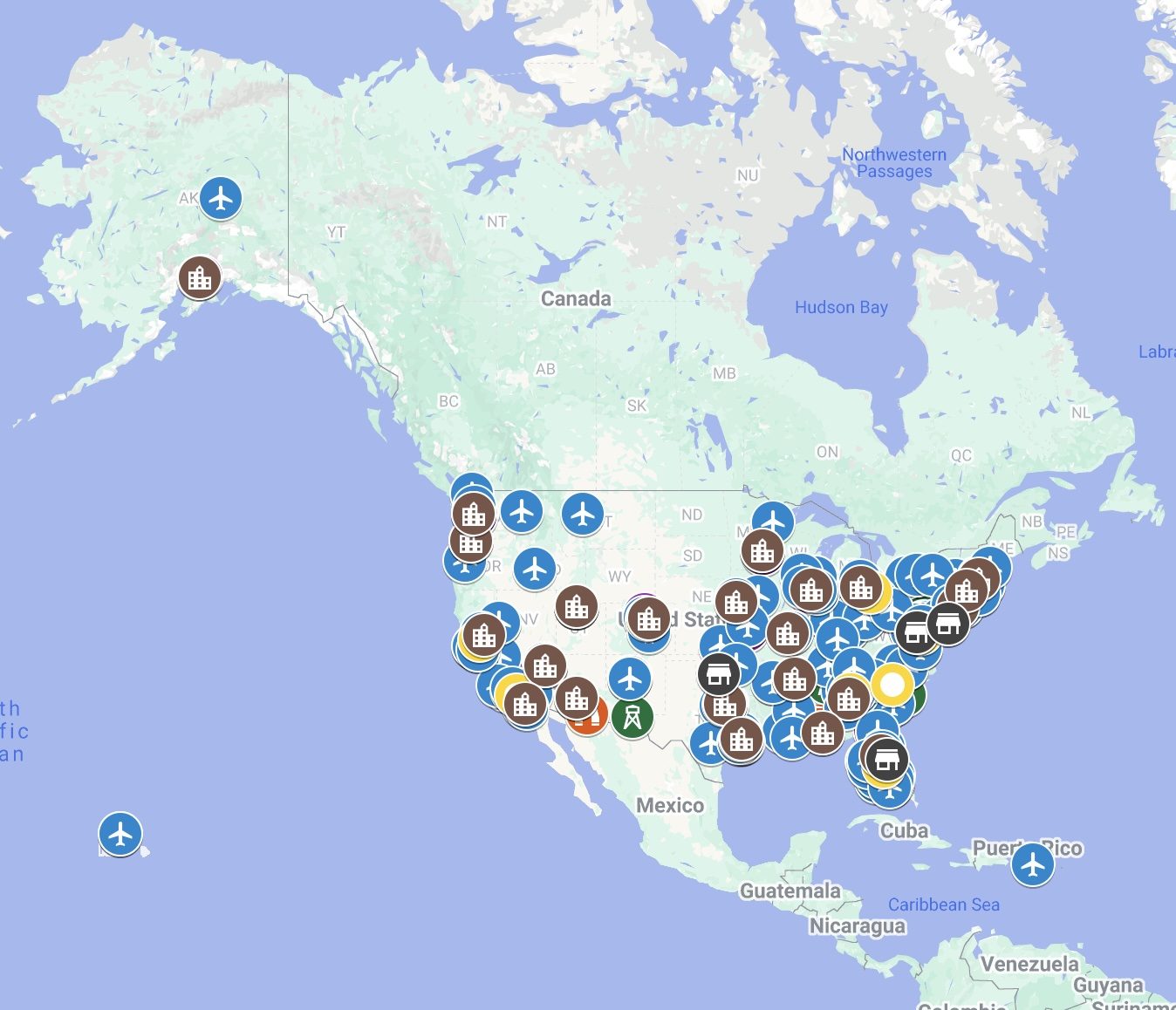
The FAA released an August 17 fact sheet confirming that major NextGen air traffic modernization programs are now operational, having shifted U.S. airspace to digital communications, satellite-enabled navigation, and automated data sharing. The agency reports NextGen delivered $10.9 billion in benefits between 2010 and 2023 through more than 20 capabilities implemented over 200 times across the country.
Why it matters
NextGen's completion marks a fundamental shift from ground-based radar and voice-only communications to integrated, real-time data sharing—a foundation the FAA now plans to build on. The fact sheet signals the agency is preparing to incorporate uncrewed aircraft (drones), spacecraft, and other non-traditional aviation into the National Airspace System without disrupting existing traffic, which could open new commercial and operational opportunities.
What to watch
The FAA is moving beyond NextGen to a next phase of airspace modernization designed to accommodate diverse aircraft and new missions. Technologies supporting drone integration—including DroneZone, LAANC (Low Altitude Authorization and Notification Capability), Remote Identification, and UAS Traffic Management concepts—are already being developed and evaluated.
Summaries like this, in your inbox every morning.
NextGen represents a two-decade modernization effort that fundamentally restructured how the U.S. manages air traffic. By replacing ground-based radar with satellite-enabled surveillance (ADS-B), enabling digital pilot-controller communications, and introducing System Wide Information Management (SWIM) as a real-time data-sharing backbone, the FAA shifted from reactive, tactical control to strategic, integrated management. The $10.9 billion in documented benefits reflects efficiency gains, improved safety, and reduced delays—outcomes the agency has now locked in as the baseline for further evolution.
The FAA's August 17 fact sheet signals a deliberate transition from completion to expansion. Rather than rest on NextGen's achievements, the agency is explicitly preparing for a new generation of airspace modernization that must accommodate non-traditional operations—chiefly uncrewed aircraft. The body acknowledges that drones, spacecraft, and emerging aircraft operate at different altitudes and require different traffic management approaches than conventional aviation. By naming specific technologies (DroneZone, LAANC, Remote Identification) and published concepts (UAS Traffic Management, Urban Air Mobility), the FAA is signaling that the foundational digital and data-sharing architecture NextGen built is now the platform on which drone integration will be layered. This represents a concrete pathway from regulatory tools to operational integration, rather than a theoretical goal.
Pick your industry and the AI tools you use, and get news related to your work every day.
Free · 30 seconds with Google · unsubscribe anytimeWhat is AIToday? →
Ask AI anything about this article. The AI reads this article, earlier AIToday articles, and Wikipedia, and cites its sources. Q&As are published on this page for other readers too.
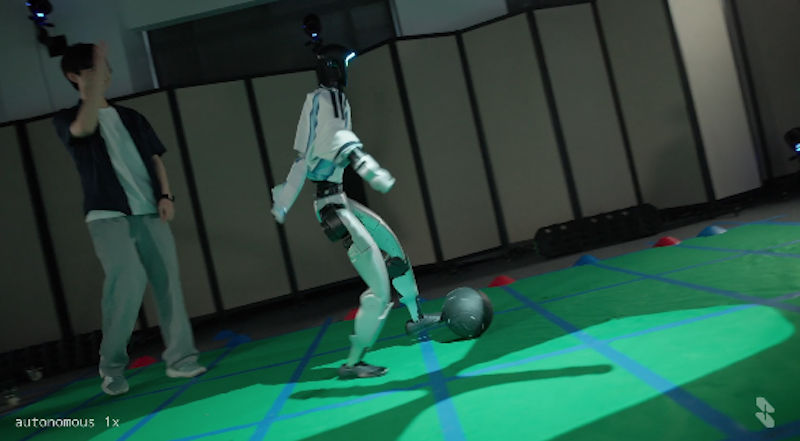
Skild AI used Nvidia Isaac Sim to give its S1 model one objective — score a goal — and let it compete against…
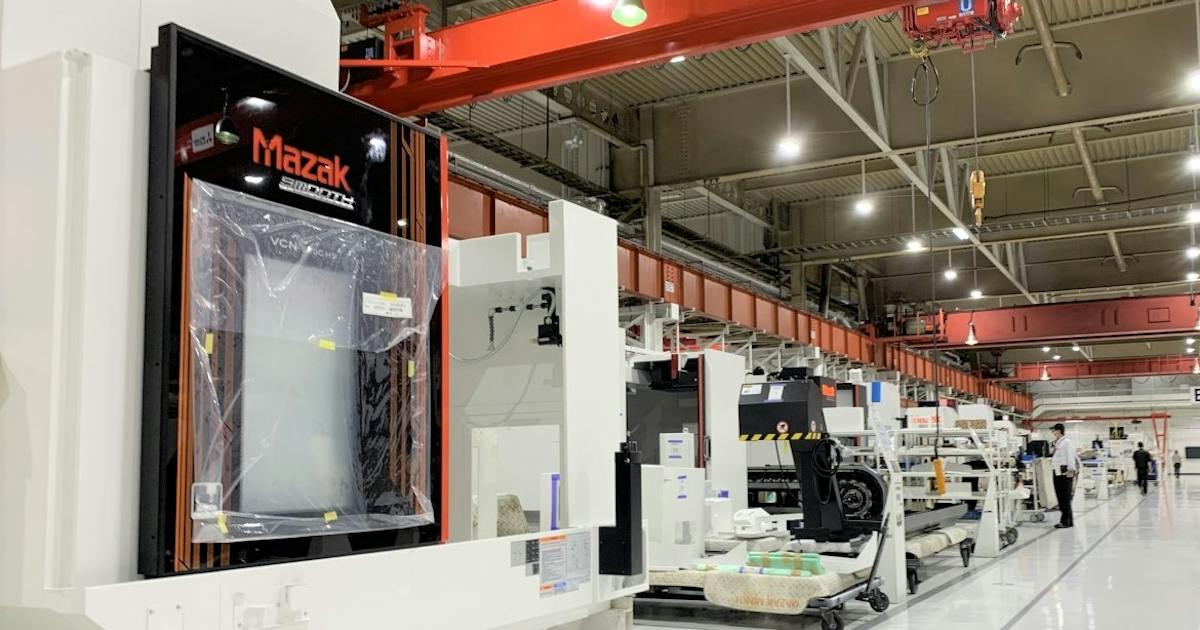
Yamazaki Mazak and ABEJA said on the 16th they will start joint development of physical AI, using ABEJA's ABEJ…
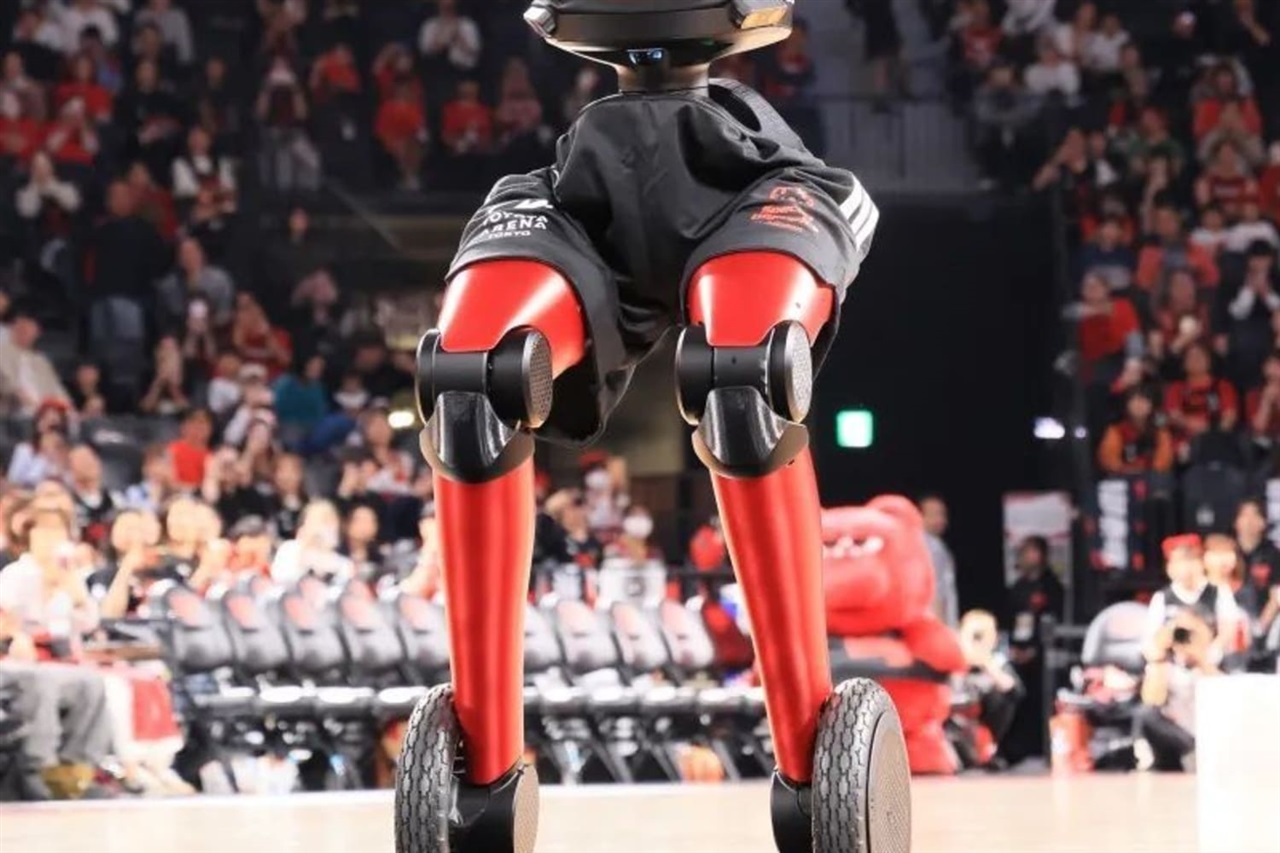
Toyota Motor's Japan Mobility Show Bizweek 2026 booth centers on its AI basketball robot CUE7, has no other ex…

Japan Mobility Show Bizweek 2026 showcased Physical AI applications, including Toyota's basketball-playing rob…
Google pitched Gemini 4 Argon as one model for robot control, simulation and training-data review, saying it s…
Researcher Sammy Azdoufal discovered Energize Lab's Eiliko robot stores 13 million conversations from 68,000 t…