
What happened
Podqi tested ChatGPT, Gemini, and Perplexity with shopping questions on 151 brands, including Lululemon and Birkenstock; across 6,795 answers, all three cited risky sites, with Perplexity worst at 15 percent.
Why it matters
Shoppers researching products or hunting holiday deals risk being steered toward imposters or dead domains, especially for smaller brands, where risky sites appeared about twice as often as for larger companies.
WHO IT HITSHoliday shoppers using chatbots to find where to buy a product, and the brands and retailers whose names get attached to impostor sites, are most directly exposed; smaller brands appear especially at risk.
Summaries like this, every morning.
Podqi crafted its own prompts rather than using real user conversations, and ran them through a tool that tracks AI answers across chatbots over two testing periods in September. The patterns it found were uneven: Gemini surfaced risky sites least often, at 4 percent of answers, while ChatGPT sat at 8 percent and Perplexity at 15 percent. The type of question mattered too — AI displayed risky sites more often when asked about regional brand websites, and the engines at times listed fake regional sites for brands that have none. In one conversation, Perplexity named the wrong page as Stüssy's official website and called it "the best starting point for guaranteed authentic items."
Google spokesperson Jessica Levis Boord said Gemini performed best among the products tested and that links to sources are displayed alongside responses to help people verify information. OpenAI spokesperson Taya Christianson said the company is continuing to improve safeguards to make potentially deceptive sites less likely to appear in shopping-related results. Perplexity spokesperson Jesse Dwyer said Perplexity never claims to be 100% accurate but is the only company relentlessly focused on it.
Pick your industry and the AI tools you use, and get news related to your work every day.
Free · 30 seconds with Google · unsubscribe anytimeWhat is AIToday? →
Ask AI anything about this article. The AI reads this article, earlier AIToday articles, and Wikipedia, and cites its sources. Q&As are published on this page for other readers too.
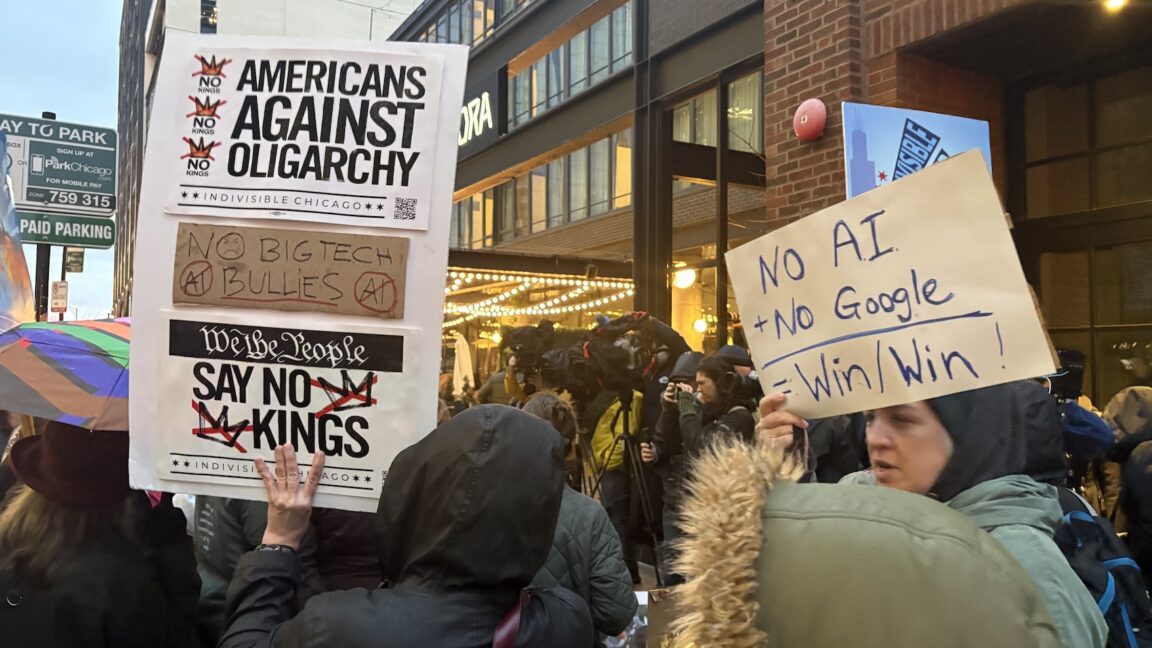
Families in seven cities, including Chicago, protested Google on Wednesday over its confirmation last week tha…
Hugging Face CEO Clément Delangue called Jensen Huang's departure a 'really sad day' and pledged on X that the…
Google launched Gemini 4 Hydrogen, which scores 51 vs

millionways launched Thorsten-4, an AI model built from a German research project in which dozens of psycholog…

Databricks released the Genie app for Slack to General Availability, so users can @mention Genie or DM it and…

The author, writing on day 42 of what he calls the "Black October" wave of AI-discovered security flaws, says…