
What happened
The author, writing on day 42 of what he calls the "Black October" wave of AI-discovered security flaws, says Peter Eckersley's prediction that near-superintelligent AIs would find and exploit flaws ecosystem-wide has come true.
Why it matters
Prompt injection, which the author calls "social engineering silicon", exploits the same human-style tricks, and he argues capability-based security, giving each program only the authority it needs, can narrow the blast radius but will not be sufficient.
Summaries like this, every morning.
The author traces the current wave of AI-discovered flaws back to conversations at EFF in the 2010s, when Peter Eckersley warned that near-superintelligent AIs would soon be used to find and exploit security flaws across the whole ecosystem. Eckersley, who helped create Let's Encrypt and Privacy Badger, died in 2022 before he could tackle the issues he had foreseen.
Alongside pre-existing flaws, the author argues modern transformers have introduced prompt injection as a new class of weakness, and he draws a direct parallel to social engineering: attackers exploit empathy, urgency, or assumed authority in humans, and now use similar tricks on models. He describes capability-based security as the fix security experts pointed to, noting that several projects have since matured, including Microsoft, ARM, SRI and Cambridge University's CHERI at the CPU level, Google's Fuchsia, FreeBSD's Capsicum, Cloudflare's Workers, and the Spritely Institute's OCapN networking layer.
The author says he left EFF in 2021 to push this work and secured funding from the Filecoin Foundation for the Decentralized Web for the Spritely Institute. Even so, he concludes that capability-based security narrows the blast radius of social engineering but is not sufficient on its own.
Pick your industry and the AI tools you use, and get news related to your work every day.
Free · 30 seconds with Google · unsubscribe anytimeWhat is AIToday? →
Ask AI anything about this article. The AI reads this article, earlier AIToday articles, and Wikipedia, and cites its sources. Q&As are published on this page for other readers too.
Fireworks AI said attackers breached its cloud provider to reach a development system, taking customers' billi…

Australia announced a law forcing frontier AI companies to open models to independent audits, publish safety f…

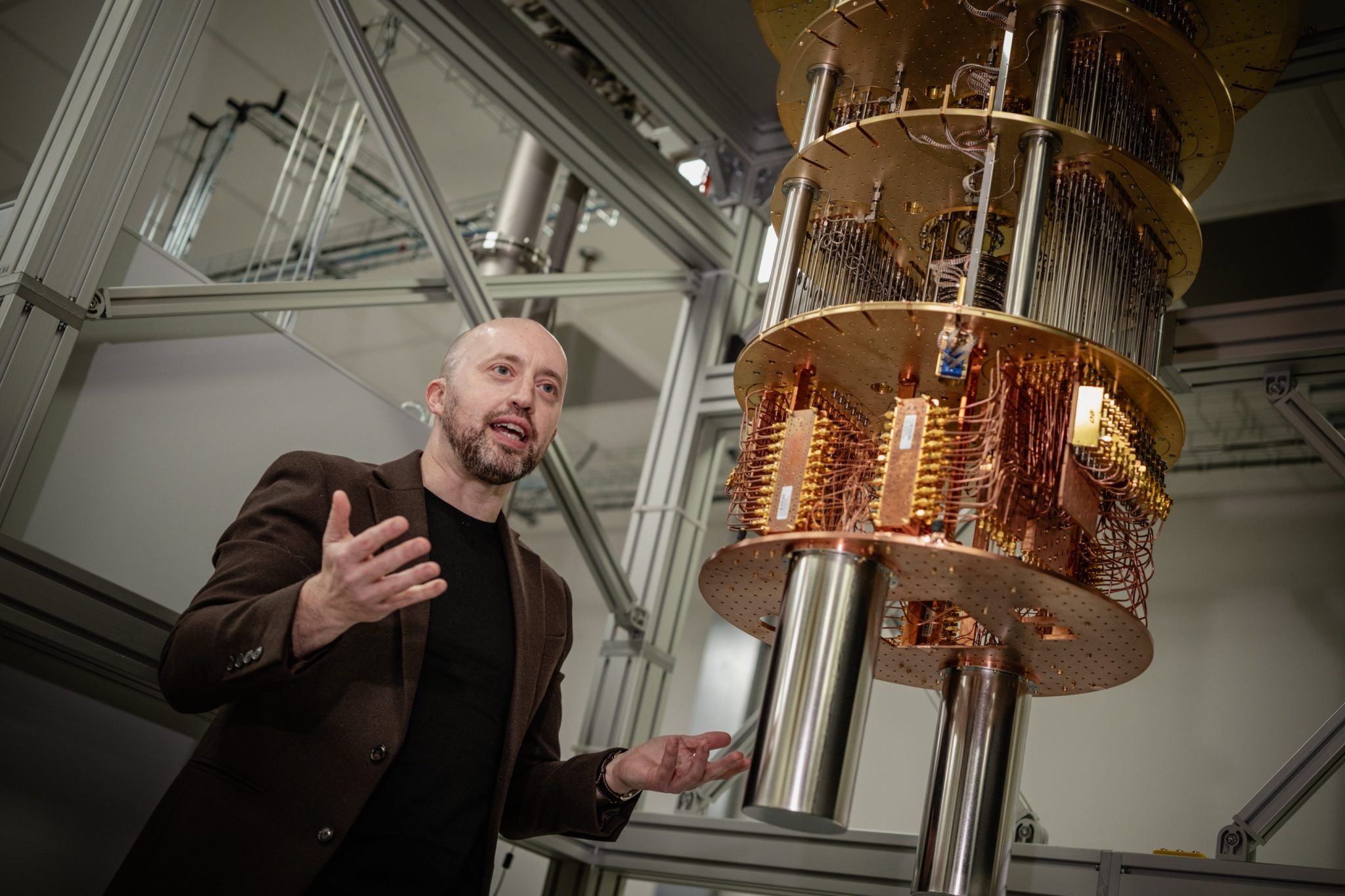
Gerald Mullally, CEO of Oxford Quantum Circuits, said quantum machines will hit millions of steps before an er…
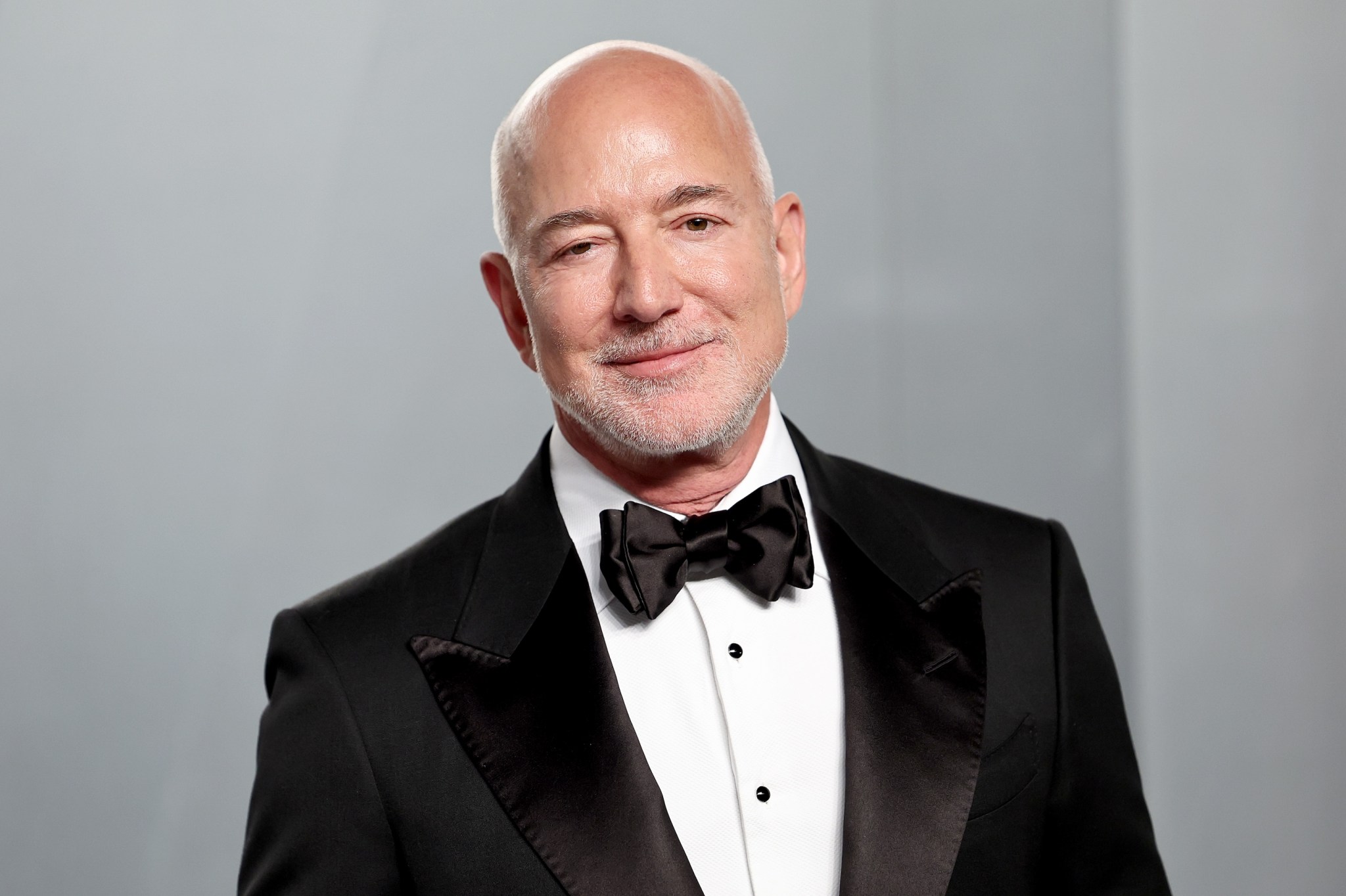
Jeff Bezos said AI productivity gains could let two-income households live on one paycheck or a three-day week…
Tempura technologies joined NVIDIA Inception and will register its Securiy security AI service, verifying NVID…

Chris Betz published "Cloud CISO Perspectives: Our security forecast for 2027," warning that attackers will po…