What happened
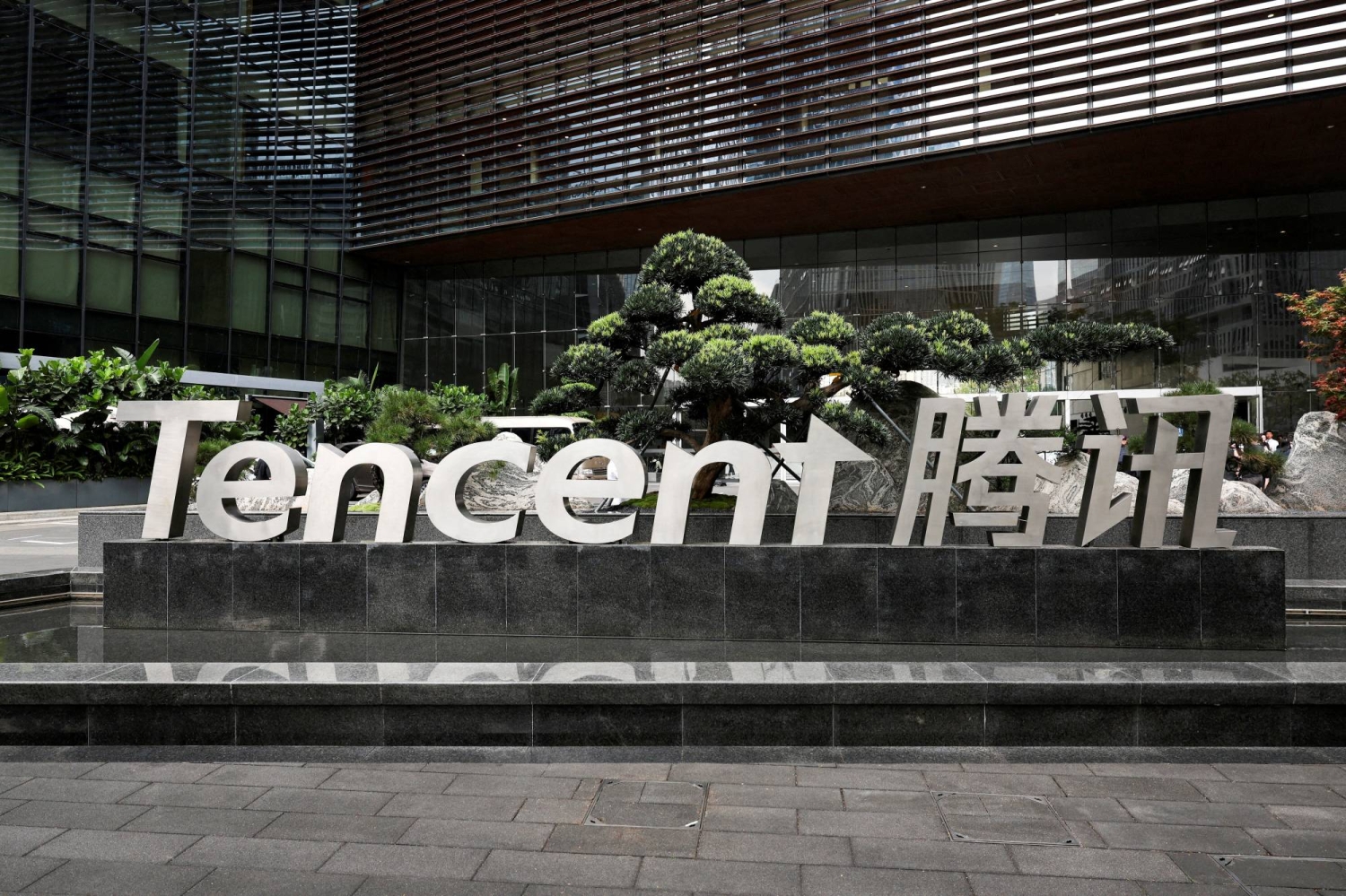
Tencent Holdings sold nearly $5.7 billion of bonds this week to support its AI investments, its largest offering in more than six years, led by dim sum notes.
Why it matters
The yuan tranche raised more than double the dollar portion, showing China's tech leaders now lean on offshore yuan debt as a cheaper funding edge.
Summaries like this, in your inbox every morning.
Tencent's bond sale this week stands out not just for its size but for its composition. The yuan tranche raised more than double the dollar portion, a shift from the company's previous debt sales. The 10-year and 30-year portions of the offshore yuan securities carried coupons of 2.4% and 3%, respectively, well below the more than 6% yields on the dollar notes. This pricing gap helps explain why dim sum bonds dominated the deal. Tencent is the latest prominent example of leading Chinese technology firms using offshore yuan debt to fund AI infrastructure, gaining a funding edge over global rivals.
Pick your industry and the AI tools you use, and get news related to your work every day.
Free · 30 seconds with Google · unsubscribe anytimeWhat is AIToday? →
Ask AI anything about this article. The AI reads this article, earlier AIToday articles, and Wikipedia, and cites its sources. Q&As are published on this page for other readers too.
At a press briefing for Anthropic Japan's first anniversary, co-founder Jack Clark said on October 14 that AI…

Anthropic co-founder Jack Clark told a University of Tokyo audience on October 13 that the chance of an AI str…

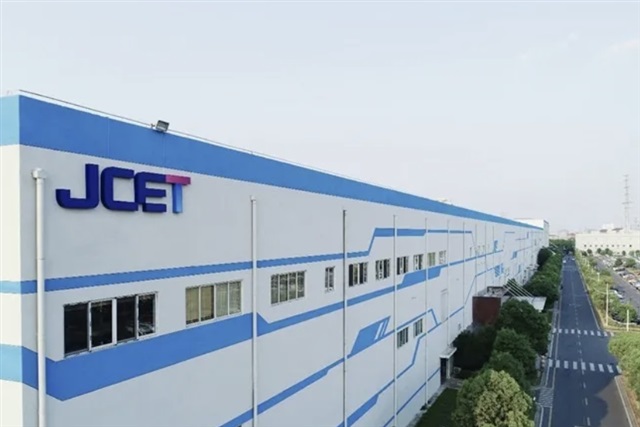
JCET is directing most of its increased capital spending towards advanced packaging, modules and testing while…
ASML raised its sales forecast for a third time, but Q3 revenue missed expectations, sending the stock lower a…
Google released Gemini 4 Argon globally for coding, knowledge work, enterprise workflows and cyber defense, wi…

Google started rolling out Gemini 4 Argon worldwide via AI Studio and the Gemini API, and to Google AI Ultra u…