What happened
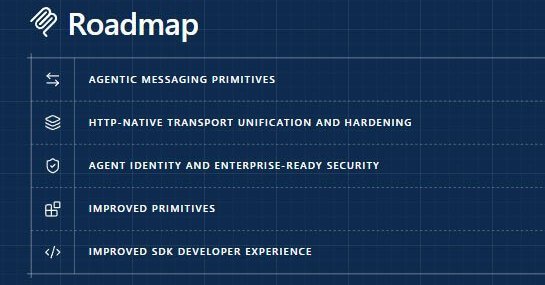
The Agentic AI Foundation (AAIF) under the Linux Foundation has published a roadmap outlining five priority areas for the future of the Model Context Protocol (MCP). These include agentic messaging primitives, unifying transport to HTTP, agent identity and enterprise security, improved basic tools, and better SDK developer experience.
Why it matters
MCP has become the de facto industry standard for connecting AI tools and services, originally proposed by Anthropic in November 2024 and transferred to the Linux Foundation in December 2025. The roadmap addresses the shift from chat-based AI to autonomous agents that work in the background, and aims to make MCP more scalable and secure for enterprise use.
What to watch
The roadmap includes plans for server-initiated events (where servers can push results without client polling), token exchange protocols for AI agents to obtain only necessary permissions, and a move to fully HTTP-based communication, building on the 2026-07-28 spec that already enables remote MCP servers over HTTP.
Summaries like this, in your inbox every morning.
The roadmap comes as MCP has solidified its role as the de facto standard for AI connectivity, transitioning from a single-company initiative to a Linux Foundation project. The focus on agentic messaging primitives and server-initiated events reflects the technological shift from simple chat interactions to long-running autonomous tasks. This change is driven by the expectation that AI agents will act independently with their own identities, delegating permissions to sub-agents, which requires a more robust and secure authentication model than the current human-in-the-browser approval process.
The push to unify transport on HTTP is a practical step to simplify and strengthen the protocol, leveraging the 2026-07-28 spec that already introduced HTTP support for remote servers. Similarly, improving primitives and SDK developer experience aims to reduce complexity for both human developers and AI tools that increasingly implement MCP. These efforts collectively point toward a more scalable, enterprise-ready protocol that can handle the demands of production-grade agentic workflows, though the roadmap outlines directions rather than concrete timelines.
Pick your industry and the AI tools you use, and get news related to your work every day.
Free · 30 seconds with Google · unsubscribe anytimeWhat is AIToday? →
Ask AI anything about this article. The AI reads this article, earlier AIToday articles, and Wikipedia, and cites its sources. Q&As are published on this page for other readers too.
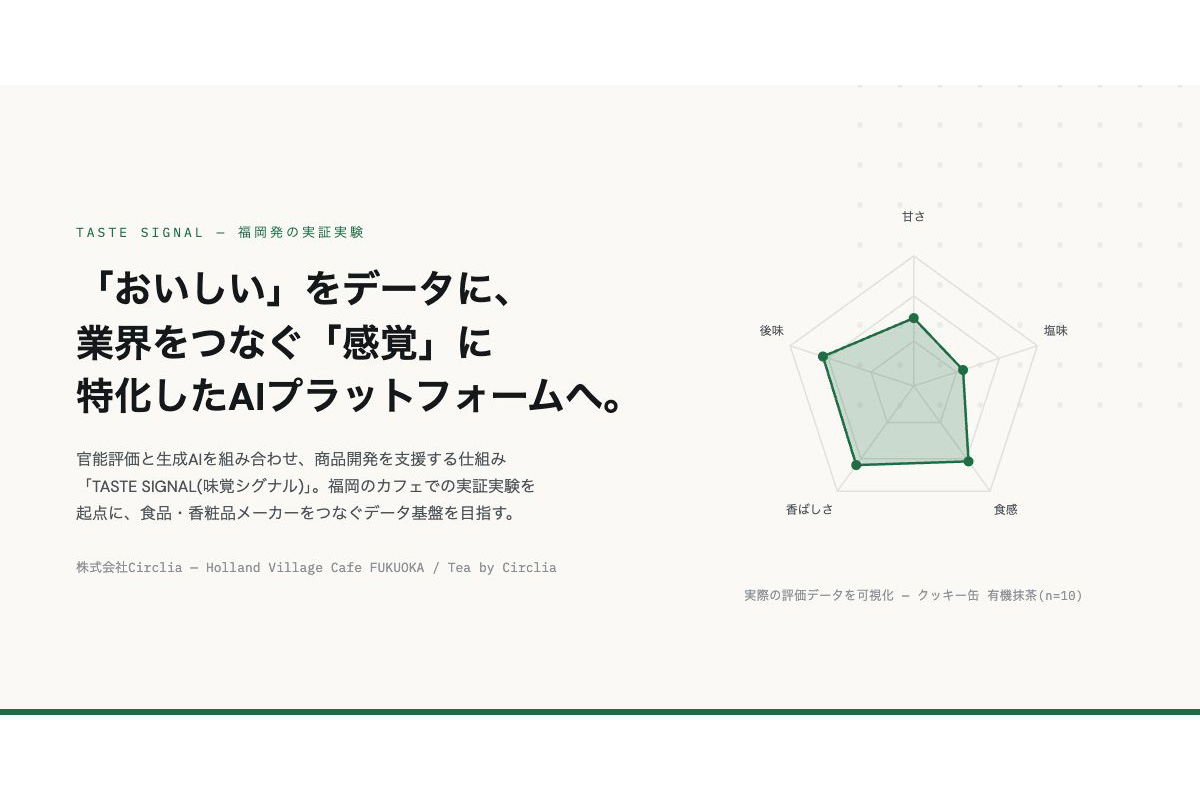
Circlia started a proof-of-concept for TASTE SIGNAL: visitors to Holland Village Cafe FUKUOKA taste cookies an…
In a webinar hosted by French Mathematical Society president Isabelle Gallagher, Fields Medal winner Hugo Dumi…

NVIDIA released Nemotron 3.5 Super VL, an open-weight model with 120 billion parameters that handles text, ima…

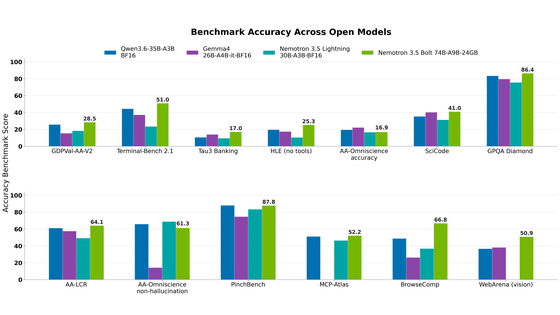
NVIDIA released Nemotron 3.5 Bolt 74B-A9B 24GB, an AI model for local agents that hits over 80 tokens per seco…
NVIDIA published a blog post titled "AI Security Is an Engineering Problem - How to Solve It at Every Layer of…

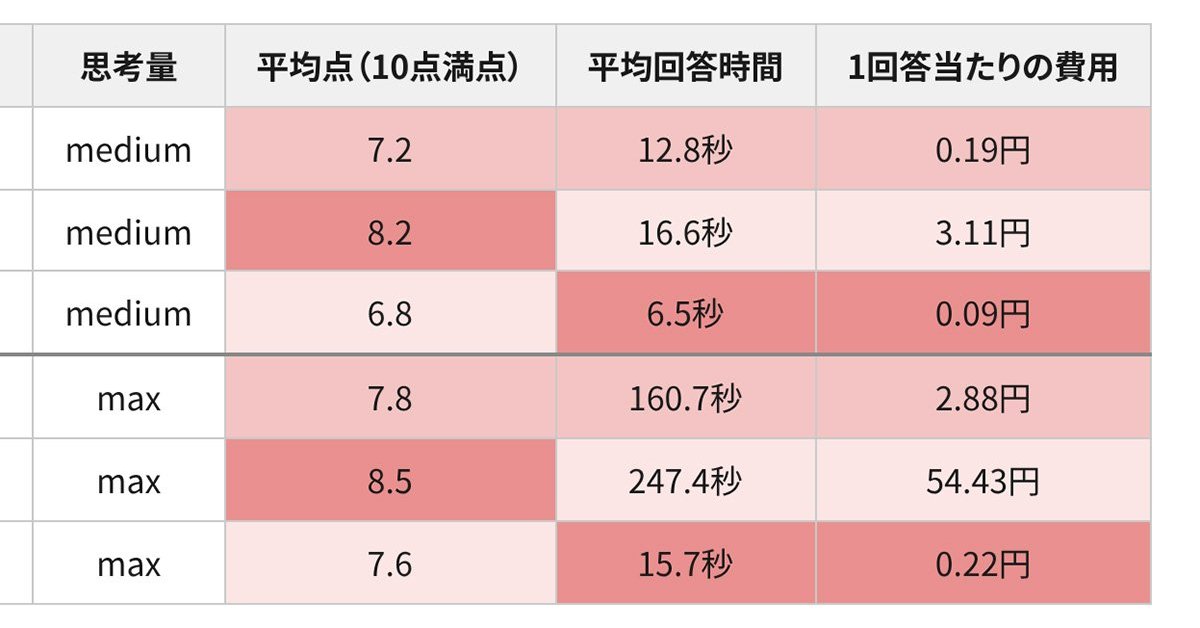
In the test, Haiku 5.5 on medium setting averaged scores close to Sonnet 5.5 on routine documents at about 1/1…