What happened
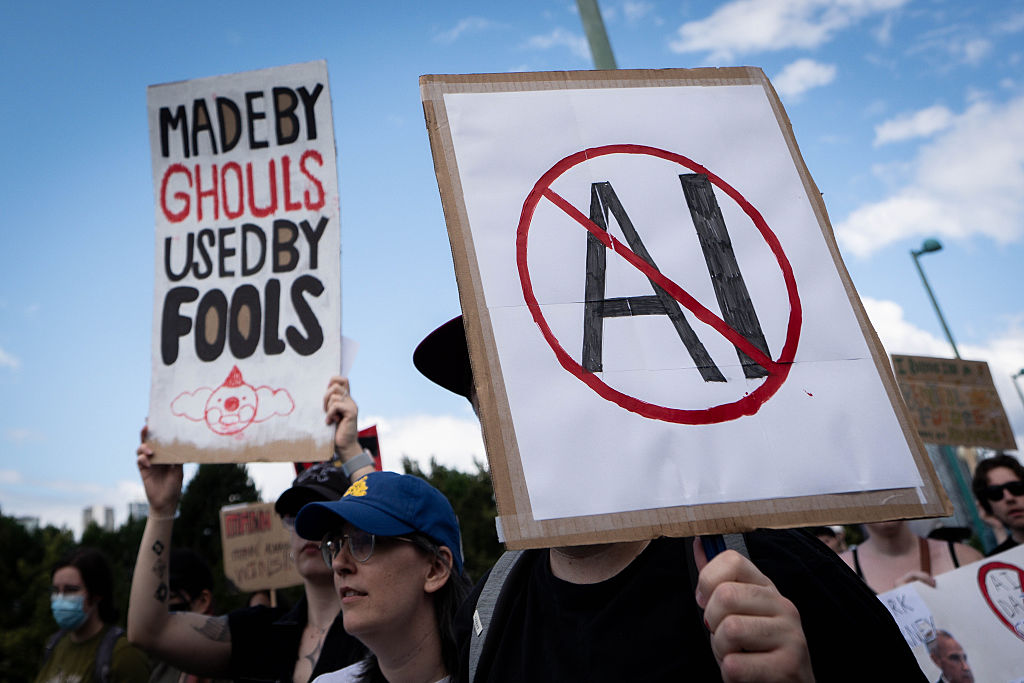
A Pew Research study found that 52% of Americans are "more concerned than excited" about increased AI use in daily life, up from 37% in 2021. A CNBC poll of 18- to 34-year-olds showed a majority don't trust top AI industry leaders to act responsibly, while a May Economist/YouGov poll found over 70% of Americans think AI is advancing too quickly. The backlash is now affecting company balance sheets, with tech firms making concessions like job guarantees, clean water investments, and teacher bonuses to secure approval for data center projects.
Why it matters
Consumers say they don't see how AI improves their lives but are being asked to absorb the costs—from infiltrated product features to intellectual property concerns. Unlike transformative technologies such as the iPhone or internet that faced less initial backlash, AI appears to be facing stronger consumer resistance. Industry leaders including Airbnb CEO Brian Chesky and Anthropic CEO Dario Amodei have publicly acknowledged this is no longer a messaging problem but a fundamental crisis of trust and delivery, with Amodei stating the industry has failed to deliver on its big promises.
What to watch
Young people are increasingly adopting retro technologies—AI-free classic iPods are selling for top dollar on eBay, while cassette tapes, point-and-shoot cameras, and dumbphones are gaining interest. Simultaneously, in-person activities like run clubs and "grandma hobbies" such as quilting and Mahjong are winning out over digital alternatives, signaling a broader consumer shift away from AI-integrated experiences.
Summaries like this, in your inbox every morning.
The article presents a critical inflection point for the AI industry: despite massive technological progress and hundreds of billions of dollars in funding, consumer sentiment is deteriorating faster than anticipated. The underlying tension is straightforward—people see AI features being added to everyday products (email, TVs, search) without perceiving tangible personal benefit, while simultaneously absorbing the real costs through job displacement concerns, data privacy issues, and intellectual property disputes. What makes this different from previous tech cycles is the speed and breadth of skepticism: where the internet and smartphone faced gradual adoption curves, AI backlash appears acute and widespread across age groups.
The data reinforces this shift. A Pew increase from 37% to 52% "concerned" respondents in just a few years is steep; a 70%+ plurality saying AI moves too fast suggests the problem is not ignorance but genuine disagreement about the pace and necessity. The CNBC finding that young adults (18–34) lack trust in industry leaders is particularly consequential because youth typically drive adoption. The memo from the National Republican Senatorial Committee warning that data centers hurt electoral chances, combined with Wall Street Journal reporting that companies now offer job guarantees and $50,000 teacher bonuses to secure local approval, shows backlash has crossed from sentiment into tangible business friction.
Notably, industry leaders are acknowledging the diagnosis. Chesky's framing—that the industry is shipping products regular people don't love and missing use cases like affordable on-demand medical care—suggests the problem is not narrative but product-market fit. Amodei's statement that the industry has failed to deliver on big promises (like curing cancer) and faces a "crisis of trust" is a remarkable concession from a CEO whose company has raised billions. The article's closing implication is that execs can no longer assume adoption breeds acceptance; instead, if the perceived downside (job loss, intellectual property concerns, unwanted features) outweighs the upside (summarized web pages, chatty TVs), skepticism becomes structural rather than temporary.
Pick your industry and the AI tools you use, and get news related to your work every day.
Free · 30 seconds with Google · unsubscribe anytimeWhat is AIToday? →
Ask AI anything about this article. The AI reads this article, earlier AIToday articles, and Wikipedia, and cites its sources. Q&As are published on this page for other readers too.
Hewlett Packard Enterprise stock is down 5% at $55.87
The Motley Fool argues Amazon is the AI company of the two, since AWS was just 21% of first-half 2026 revenue…

Cammarata reinterprets InceptionV1's cat-car neuron as a V-shape detector, not two unrelated concepts

Anthropic gave six METR staffers hardware, office space and internal tools, putting them roughly on par with i…

Vercel data published Thursday shows TypeSafe AI's Jev, a lightweight decision model for choosing among predet…
Chunghwa Telecom president Rong-shy Lin said the shift from conversational AI to autonomous AI agents is resha…