What happened
OpenAI previewed Private Safety Processing, a system designed to detect risks across multiple related interactions without giving OpenAI personnel access to customer content. It is currently being tested with early customers, with rollout and a technical white paper planned for September.
Why it matters
Zero Data Retention promises that OpenAI does not retain prompts or responses, and existing safety systems evaluate each interaction individually. As models take on longer tasks, risks may only become visible across interactions, so this new approach aims to keep that promise while identifying patterns that could indicate misuse.
What to watch
The test is whether Private Safety Processing can genuinely detect coordinated or multi-step misuse without exposing content, and whether customers will trust the limited signals. Watch for the September rollout and technical white paper.
Summaries like this, in your inbox every morning.
OpenAI's announcement comes as frontier models take on longer, more complex tasks, where serious safety risks may only emerge across multiple interactions. Existing ZDR-compatible systems evaluate each interaction individually, which could miss patterns of misuse that span sessions or accounts. The company notes that some recent frontier-model deployments required customers to allow retention of sensitive content for safety, conflicting with security obligations. Private Safety Processing aims to resolve this tension by extending automated protections across related interactions without exposing content to personnel.
In both deployment scenarios, whether content stays on customer-controlled infrastructure or OpenAI storage with customer-controlled encryption keys, automated systems can identify potential misuse and return limited signals. Customers retain the ability to investigate alerts and can choose to share information with OpenAI for appeals or abuse investigations. This design reflects a collaborative approach, with input from customers across industries, regions, and company sizes.
The stakes are whether this preview can reassure organizations that handle highly sensitive data, such as financial records and health information, that safety monitoring does not compromise privacy. The success hinges on the technical implementation and customers' trust in the limited signal approach. September's technical white paper will likely be a key moment for scrutiny.
Pick your industry and the AI tools you use, and get news related to your work every day.
Free · 30 seconds with Google · unsubscribe anytimeWhat is AIToday? →
Ask AI anything about this article. The AI reads this article, earlier AIToday articles, and Wikipedia, and cites its sources. Q&As are published on this page for other readers too.
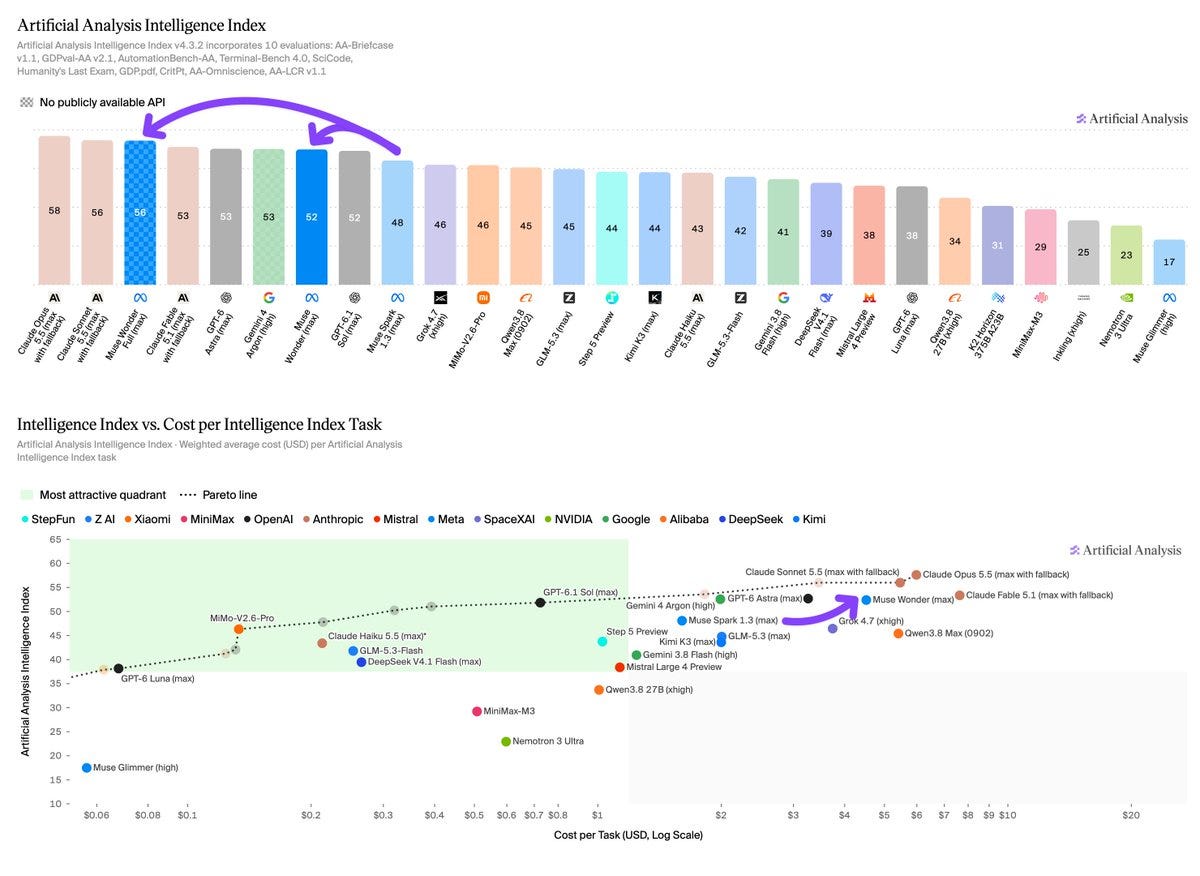
Meta launched two new models, Muse Wonder and Muse Wonder Full, which Zuckerberg said match the latest from Op…

The Trump administration's Super Intelligence Task Force ordered AI companies to report and immediately remedi…

Meta Superintelligence Labs shipped Muse Wonder and Muse Wonder Full, scoring 52 and 56 on Artificial Analysis…
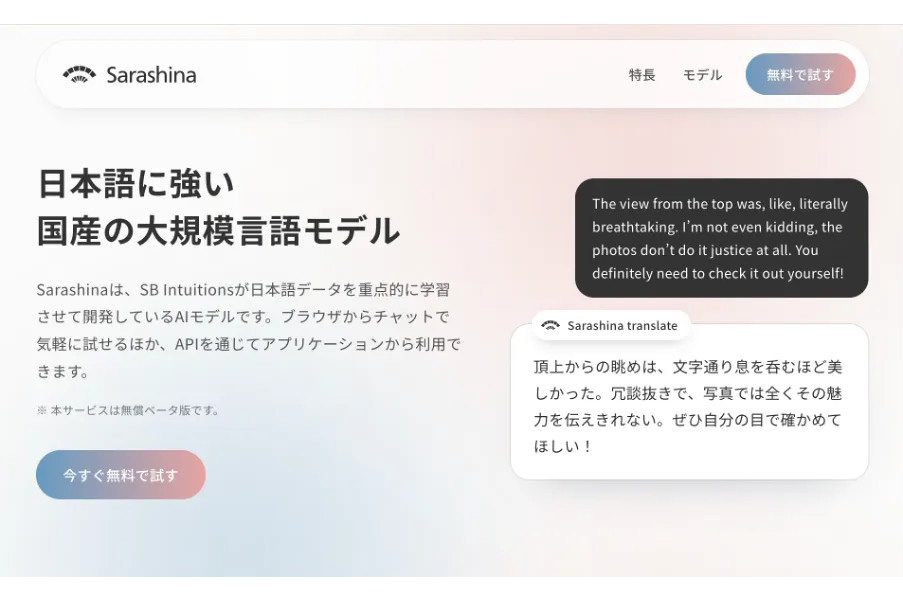
SB Intuitions started free beta service on October 13 for its Sarashinaサービス, opening API access to six Sarashi…
A Japanese explainer published for business readers describes ローカル推論 — running an AI model on a local PC or sm…

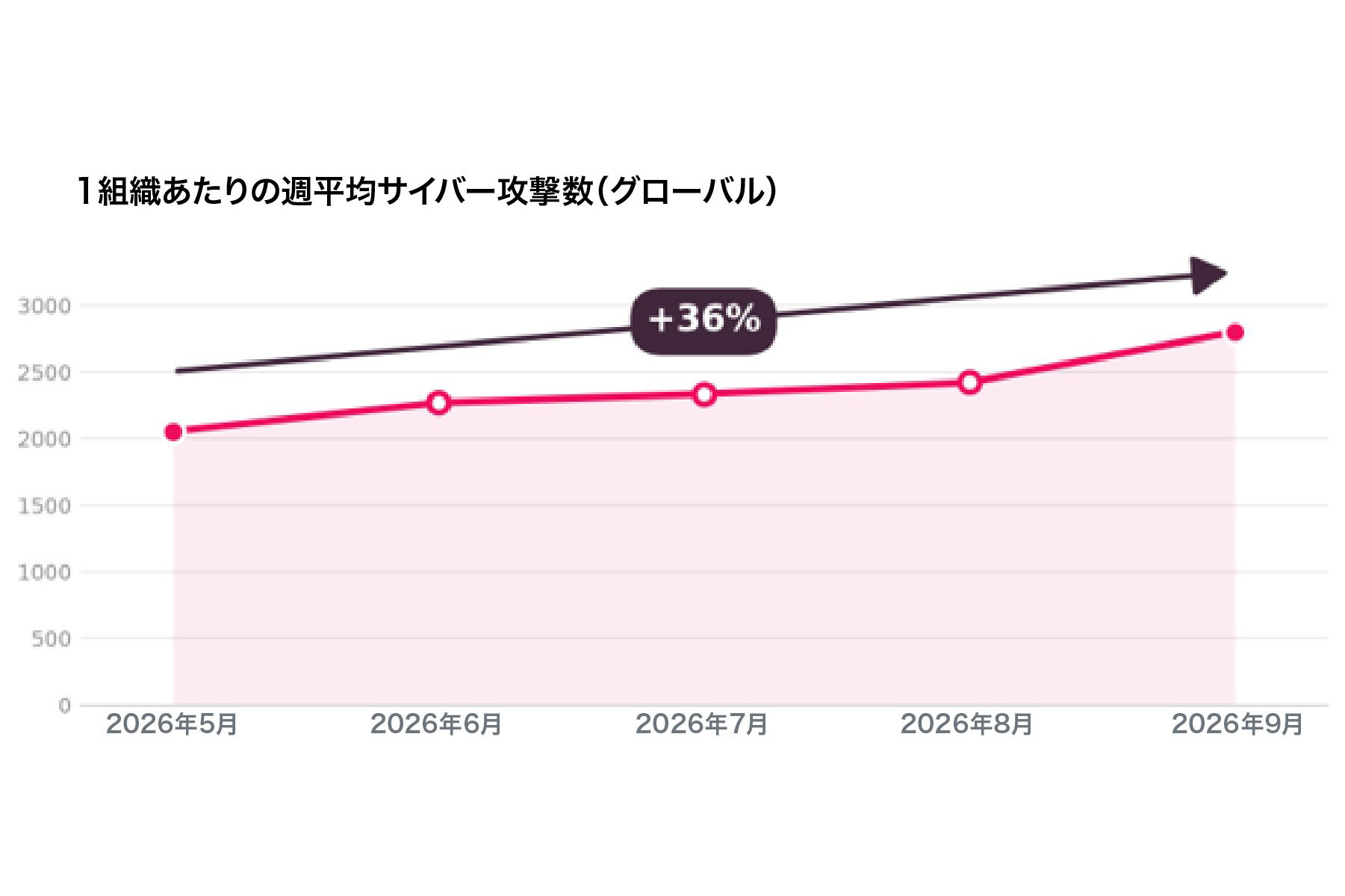
Check Point Research's September analysis found organizations worldwide averaged 2,803 attacks per week, up 48…