
A developer named Aloshdenny claims to have reverse-engineered Google DeepMind's SynthID watermarking system and open-sourced the work on GitHub
The alleged exploit required only 200 Gemini-generated images, signal processing techniques, and no neural networks or proprietary access
The developer demonstrated how watermarks can be removed from AI-generated images or added to non-AI works, contradicting the system's security premise
Google disputes Aloshdenny's claims, stating the developer's assertions are inaccurate
Ask the AI about this article →
For example, today's edition would include:
AI-summarized, only the topics you pick — one digest a day via Email, Slack, or Discord.
Free · takes 30 seconds · unsubscribe anytimeWhat is AIToday? →
Ask AI anything about this article. Q&As are published on this page for other readers too.
CrowdStrike is introducing Falcon Guardian, its flagship solution for the AI Detection and Response (AIDR) cat…

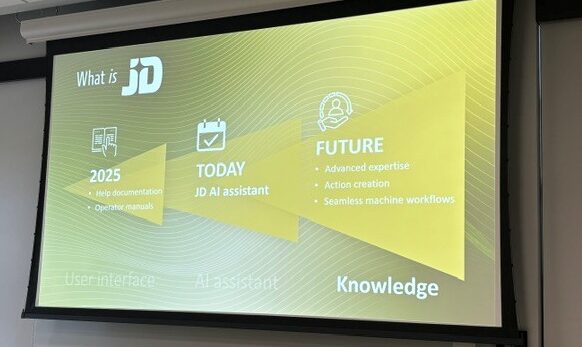
John Deere introduced its AI assistant, 'JD,' on Monday, embedded in its Operations Center

John Deere is introducing an AI assistant called JD
AT&T, Dell Technologies, and AMD have announced OTel 2.0, the largest and best-performing open-source model bu…

AT&T's legal department built an in-house center of expertise called Legal Edge, described as an AI-first lega…

Studio Inc. announced Agentic Web Platform Studio.Drop and opened pre-registration today for a closed beta sta…