
What happened
Reuters reviewed over 150 procurement notices, investment plans and corporate records and identified projects worth over 23 billion yuan ($3.2 billion) naming Nvidia's H100, H200 or H800 chips.
Why it matters
Because that $3.2 billion is total project value including buildings and power, the documents do not prove the restricted processors were acquired or that export laws were broken.
WHO IT HITSU.S. officials enforcing chip export rules face congressional scrutiny over how those rules are applied, while Chinese data center developers must choose between designing around Nvidia equipment they may struggle to acquire and investing in alternative processors.
Summaries like this, every morning.
The Reuters review looked at more than 150 procurement notices, investment plans and corporate records, and the individual projects it surfaced show how the pattern plays out across regions. A proposed computing center in Fujian province is valued at 6.2 billion yuan ($873 million) and specifies H100 servers while still seeking financing partners. In Shaanxi, a state-owned engineering group won a contract linked to a 3 billion yuan center naming H100 and H200 chips, and a 2.26 billion yuan project in Jilin proposes combining Nvidia hardware with Chinese processors. Inner Mongolia has another proposed development specifying 625 H200 servers, while authorities in Wuxi reported that an H800 computing cluster began operating in March 2025. Reuters notes that operating facilities and proposed investments are not evidence of the same level of chip access.
The background is a set of escalating U.S. restrictions. The United States began restricting advanced AI chip sales to China in 2022, citing national security concerns, and H100 shipments remain more tightly restricted than H200 exports, which the Commerce Department moved to case-by-case review in January 2026 while still requiring licenses. Nvidia's processors can carry out thousands of calculations at once, and its widely used software makes switching to rival systems more complicated and potentially expensive, which helps explain why Chinese developers keep designing around familiar equipment.
China's domestic alternative is growing. Z.AI has already released an image-generation model trained entirely on Huawei chips, demonstrating that competitive systems need not depend on American hardware. Even so, the new project records show how deeply Nvidia remains embedded in Chinese AI infrastructure plans, and they add pressure on U.S. officials facing congressional scrutiny over how advanced chip export rules are enforced.
Pick your industry and the AI tools you use, and get news related to your work every day.
Free · 30 seconds with Google · unsubscribe anytimeWhat is AIToday? →
Ask AI anything about this article. The AI reads this article, earlier AIToday articles, and Wikipedia, and cites its sources. Q&As are published on this page for other readers too.
Gemtek Technology returned to operating profitability in the third quarter of 2026, with margins improved and…
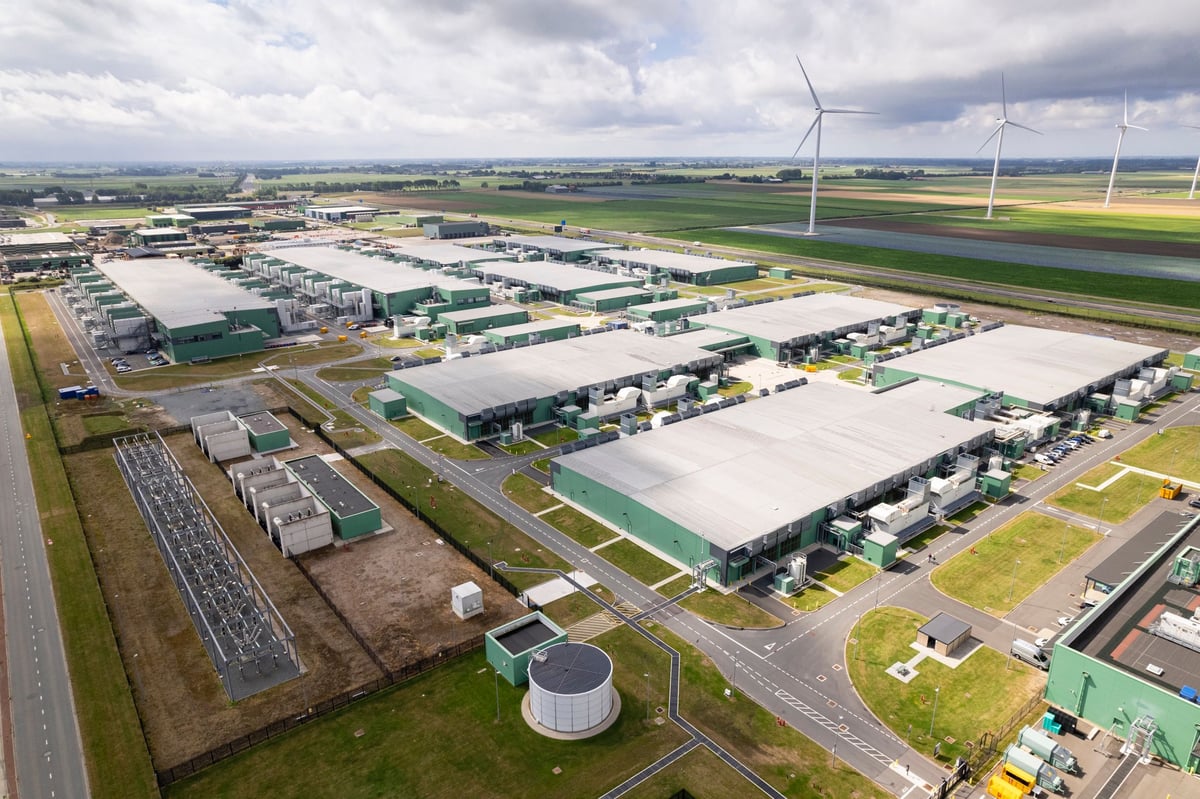
SpaceX announced roughly $24 billion for an AI supercomputing center at Starbase, Texas, and about $50 billion…
SentinelOne averaged 21% revenue growth over the last three years versus -2% for C3.ai; its 12-month revenue w…

The FAA halted all departing US flights on Friday, three days after its SMART AI tool reached all 22 regional…

Jamie Dimon said JPMorgan Chase is "not gonna allow just any" outside AI agent inside the company, warning "Yo…

Hithink RoyalFlush Information Network (valued at about CN¥149.23b) and SSI Securities (about ₫60.6t, 44.4% ne…