Researchers created BERTUMLS and BioBERTUMLS — language models (AI systems that understand and generate text) trained on structured medical knowledge from UMLS Metathesaurus, a database of 3.4 million medical concepts and 34.2 million relationships. They tested two methods: embedding medical knowledge directly into the model during training, and using a knowledge graph (a map of how medical terms connect) that the AI consults when answering questions.
Summaries like this, in your inbox every morning.
Pick your industry and the AI tools you use, and get news related to your work every day.
Free · 30 seconds with Google · unsubscribe anytimeWhat is AIToday? →
Ask AI anything about this article. The AI reads this article, earlier AIToday articles, and Wikipedia, and cites its sources. Q&As are published on this page for other readers too.
On October 12, CNBC's Jim Cramer said combining CrowdStrike, Palo Alto Networks and Okta makes an AI "kill swi…

Sam Jenkins of Punchcard Systems cites a 2025 Microsoft survey of 1,725 data security leaders finding nearly t…

American Express launched its Intent Intelligence framework, which captures and authenticates purchase instruc…

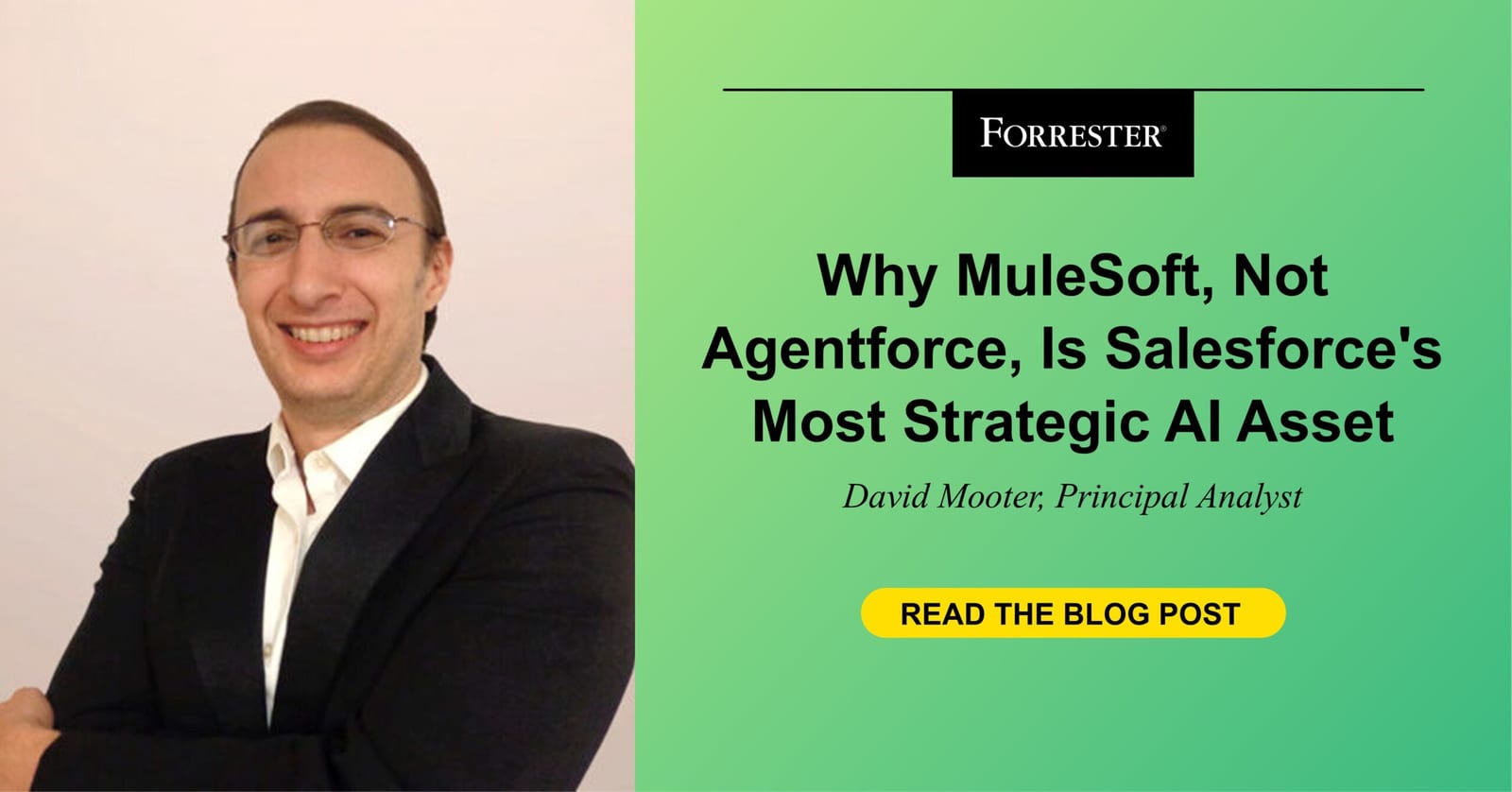
Forrester argues that MuleSoft's Agent Fabric, an agentic AI control plane for governing AI agents, is Salesfo…
Charles Schwab CEO Rick Wurster expressed skepticism that AI agents will trade stocks autonomously while inves…

ServiceNow unveiled AI Passport on Thursday, built on open specifications and integrated with runtime environm…