What happened
OpenAI rolled out GPT-6 and Intelligent UI to Plus, Pro, Business, and Enterprise plans worldwide starting October 7, and to free and Go plans on October 8.
Why it matters
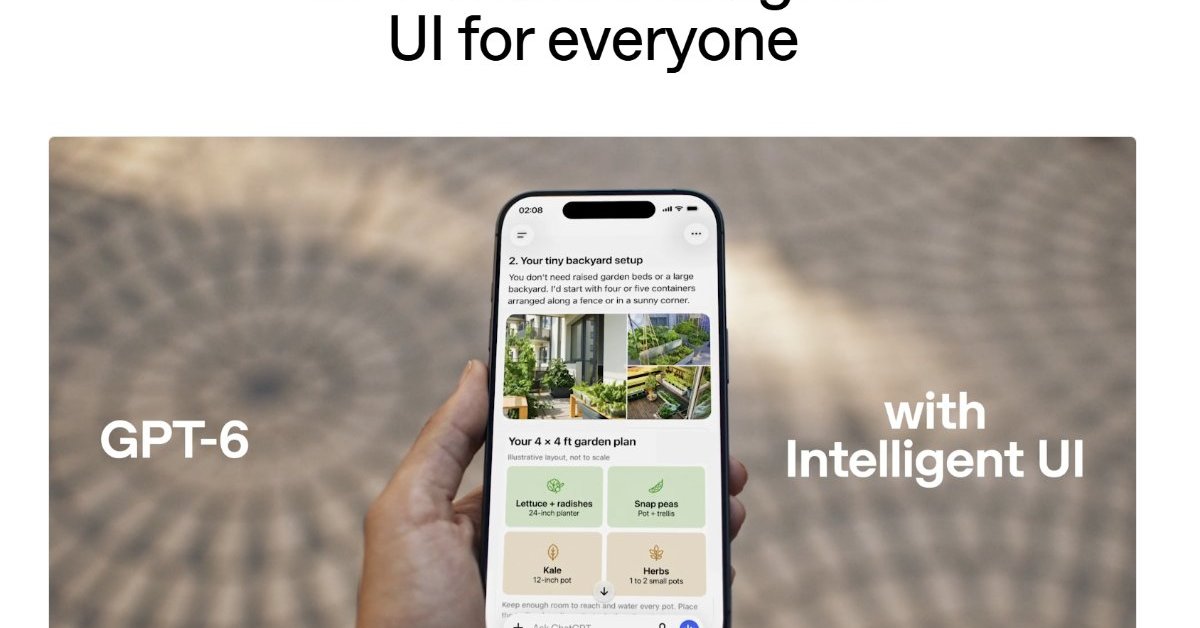
ChatGPT can now generate an interactive screen — buttons, forms, charts, or a small calculator — instead of only text, which OpenAI frames as software adapting to people rather than people adapting to software.
What to watch
On an internal evaluation of everyday agent tasks, GPT-6 Extra High scored a higher overall score than GPT-5.6 Extra High, and GPT-6 Instant starts answering an average 44% faster on questions needing web search; watch whether that speed holds as usage grows.
WHO IT HITSThis lands squarely on ChatGPT's millions of everyday users, from free-tier students to paid Business and Enterprise teams, because useful answers now come as tap-ready tools rather than walls of text. Enterprise administrators, though, must decide whether to enable GPT-6 Sol at all, since availability there depends on their settings.
Summaries like this, in your inbox every morning.
OpenAI's rollout caps a gradual build-up. The company put GPT-6 family models in front of paying users in September, but this release is the first aimed at the whole ChatGPT audience, spanning Plus, Pro, Business, and Enterprise plans on October 7 and free and Go plans the next day. The new models, GPT-6 Sol and GPT-6 Luna, slot in as replacements for GPT-5.6 Sol and GPT-5.6 Luna, and carry over safety improvements from GPT-6 Astra.
The most visible change is Intelligent UI, which lets GPT-6 decide whether an answer should be text, a visual, or something the user can actually operate. In an official example comparing two models on a roast-lamb dinner plan, GPT-5.6 Instant returned a text portion table and schedule, while GPT-6 Instant showed menu images, a feature that recalculates ingredient amounts when the guest count changes, and a cooking checklist. OpenAI also says GPT-6 can start writing an answer while it is still thinking, rather than making users wait for the reasoning to finish.
Safety is the quieter story. Under OpenAI's Preparedness Framework, both models are treated as having "High" capability in cybersecurity and biochemical fields, with the same safeguards applied to GPT-5.6, though they do not reach the "High" bar on AI self-improvement. Some safety evaluations did dip — statistically significant drops for self-harm for both Sol and Luna, and for violent and sexual content on Luna — which OpenAI says it reviewed by hand and judged borderline and low-severity. The commercial test now is whether interactive answers feel genuinely useful rather than gimmicky, and whether enterprise administrators switch the feature on.
Pick your industry and the AI tools you use, and get news related to your work every day.
Free · 30 seconds with Google · unsubscribe anytimeWhat is AIToday? →
Ask AI anything about this article. The AI reads this article, earlier AIToday articles, and Wikipedia, and cites its sources. Q&As are published on this page for other readers too.
SpaceX reportedly is arranging about $10 billion in bank loans and $30 billion in investment-grade bonds to bu…

Anthropic released Claude Haiku 5.5, priced below Haiku 4.5 across Amazon Web Services, Google Cloud and Micro…
Microsoft announced a Windows strategy it calls hybrid intelligence, plus new Copilot abilities to read local…
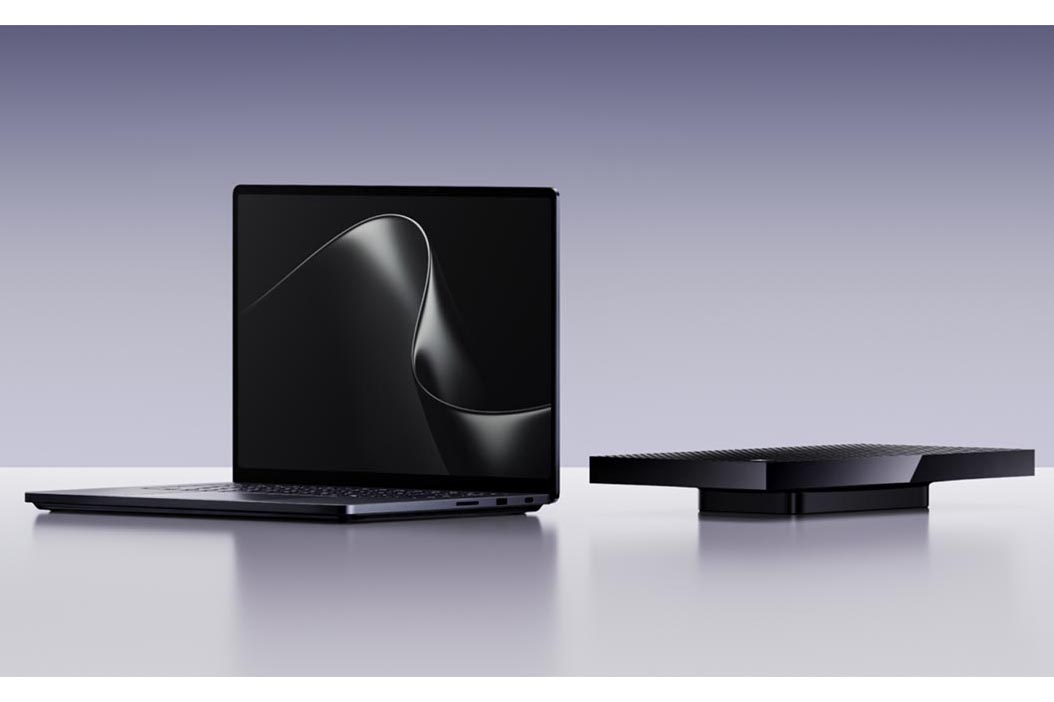
Microsoft began preorders for two RTX Spark machines on October 7, 2026 — the Surface Laptop Ultra, with up to…
At its first live event in two years, Microsoft unveiled the Surface Laptop Ultra with Nvidia's RTX Spark chip…

TIMEWELL said on October 1, 2026 it was chosen as a Shinshu AI GEARS subsidy recipient, working with Orion Kik…