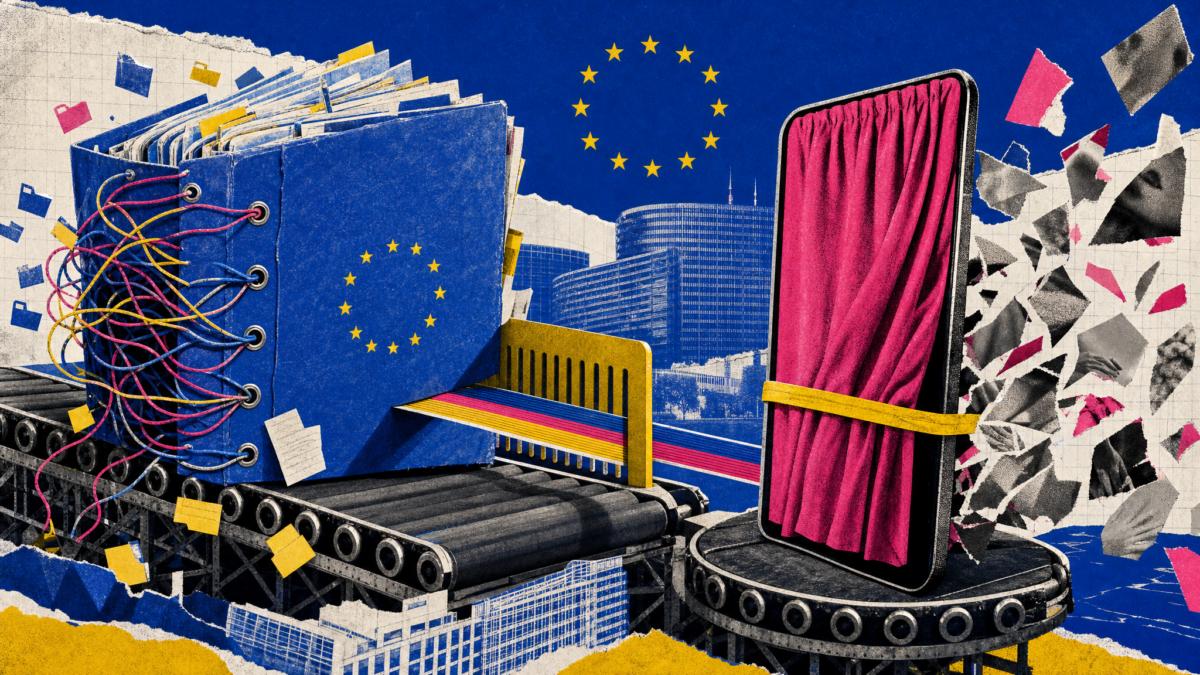
The European Commission, European Parliament, and Council of the EU agreed on amendments bundled in the 'Digital Omnibus on AI,' pushing rules for AI in biometrics, critical infrastructure, education, and migration to December 2027, and rules for AI in products like lifts or toys to August 2028. AI systems that generate sexually explicit content without consent, including nudification apps, are now explicitly banned.
Labeling obligations under Article 50 remain largely unchanged and take effect August 2, 2026, requiring companies to label deepfakes and certain AI-generated text. The text labeling rule applies only to fully automated content that no human has reviewed or edited.
Small and medium-sized enterprises with up to 750 employees and 150 million euros in revenue receive relief, including reduced registration and documentation requirements and better access to regulatory sandboxes (test environments where companies can try out AI under real-world conditions).
Ask the AI about this article →
For example, today's edition would include:
AI-summarized, only the topics you pick — one digest a day via Email, Slack, or Discord.
Free · takes 30 seconds · unsubscribe anytimeWhat is AIToday? →
Ask AI anything about this article. Q&As are published on this page for other readers too.
The Consumer Affairs Agency said Tuesday it will use generative AI to analyze about 900,000 annual consultatio…

The Supreme Court of Japan has included about ¥60 million in its fiscal 2027 budget request for AI-related exp…

OpenAI announced its support for California Senate Bill 1119, which aims to establish strong, age-appropriate…

Bank of England governor Andrew Bailey warned that advanced AI poses risks to financial infrastructure in a le…

Andrew Bailey, head of the world's financial stability watchdog, warned in a letter to G20 finance ministers a…

The European Union is expanding regulation of ChatGPT and will mandate protections for minors