What happened
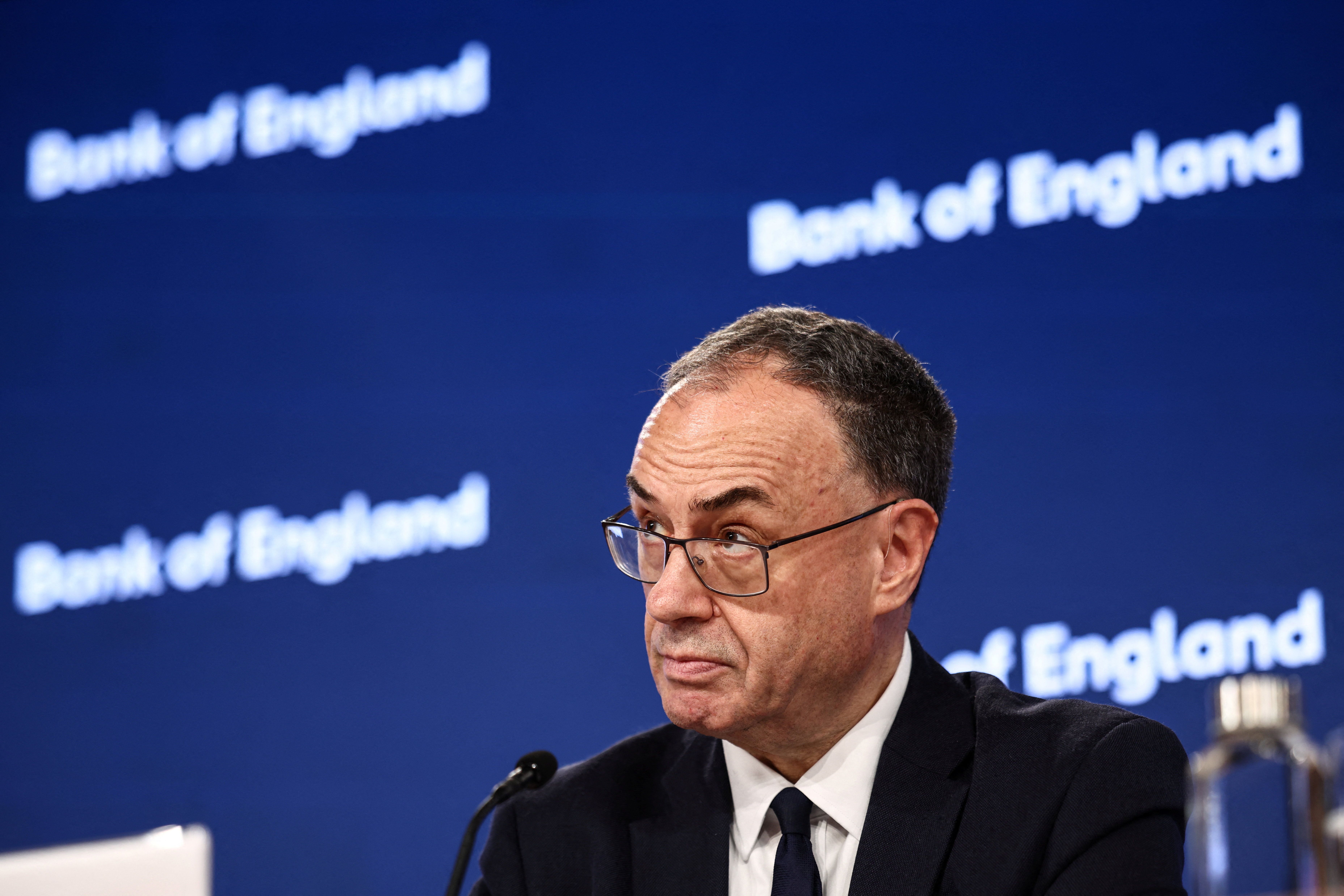
Andrew Bailey, head of the world's financial stability watchdog, warned in a letter to G20 finance ministers and central bankers that greater cyber threats from frontier AI are heightening the risk of market disruptions. He urged financial institutions and service providers to prepare for "severe scenarios involving simultaneous disruption across multiple firms or shared technology dependencies."
Why it matters
This warning adds to a growing chorus of prominent voices concerned about the risks that highly advanced AI poses to critical infrastructure. Bailey also advised firms to be able to restore critical systems from "bare metal" if necessary, highlighting the severity of the potential impact.
What to watch
Central bankers at Jackson Hole, when presented with dystopian scenarios where AI agents outmaneuver them, focused more on the "near-term and real-world implications of AI," according to Reuters. This suggests that immediate practical risks may take priority over hypothetical extremes.
Summaries like this, in your inbox every morning.
Bailey's letter lands as financial authorities worldwide grapple with the dual promise and peril of advanced AI. The reference to restoring systems from 'bare metal' indicates a heightened emphasis on resilience against worst-case scenarios, where basic infrastructure might need to be rebuilt from scratch. This suggests that the threat model has shifted from isolated incidents to systemic, correlated failures.
Meanwhile, the Jackson Hole gathering signals a divide between hypothetical dystopian futures and more immediate concerns. Central bankers' focus on near-term, real-world implications implies that practical risks—such as operational disruptions or market volatility—are prioritized over speculative threats. This pragmatic approach may shape how regulators respond, potentially favoring targeted safeguards over broad restrictions.
Bailey's warning joins a chorus of voices, amplifying pressure on financial institutions to invest in robust cybersecurity measures. The emphasis on shared technology dependencies points to a systemic vulnerability, where one breach could cascade across institutions. As AI capabilities grow, the financial sector's ability to anticipate and mitigate these risks will be critical, though the exact pathway remains uncertain.
Pick your industry and the AI tools you use, and get news related to your work every day.
Free · 30 seconds with Google · unsubscribe anytimeWhat is AIToday? →
Ask AI anything about this article. The AI reads this article, earlier AIToday articles, and Wikipedia, and cites its sources. Q&As are published on this page for other readers too.
A Qiita article compared automated red-teaming methods for LLM apps — GCG, PAIR, and TAP — using mock implemen…

Taiwan is considering much stricter export controls on AI chip sales to China, part of a greater alignment wit…

In a webinar hosted by French Mathematical Society president Isabelle Gallagher, Fields Medal winner Hugo Dumi…
Anthropic said on October 15 it has started giving METR's six staff company devices, office space and access t…
NVIDIA published a blog post titled "AI Security Is an Engineering Problem - How to Solve It at Every Layer of…

Nichiren announced its generative AI voice usage guideline on October 15, built on three pillars: prior notice…