
By end of 2025, 50% of companies deployed AI in at least three business areas (finance, supply chain, HR, customer service), according to a recent survey. AI has shifted from experimental projects to everyday tools that directly affect how work gets done.
The problem: AI systems need clean, well-organized data to work reliably. Without a 'strong data fabric' (a unified system that connects and standardizes data across scattered databases), companies get inconsistent results — one department's AI gives different answers than another's, or outputs become unreliable over time.
If you work in any of these departments, this affects you now: Finance teams using AI for forecasting may get conflicting predictions if their data isn't synchronized; supply chain planners relying on AI recommendations could miss risks; HR systems automating hiring decisions may use outdated employee records. Companies that don't fix their data foundation will see AI tools fail or give wrong answers, forcing workers to waste time double-checking AI outputs instead of trusting them.
Ask the AI about this article →
For example, today's edition would include:
AI-summarized, only the topics you pick — one digest a day via Email, Slack, or Discord.
Free · takes 30 seconds · unsubscribe anytimeWhat is AIToday? →
Ask AI anything about this article. Q&As are published on this page for other readers too.
Anthropic launched Claude Fable 5.1 and Mythos 5.1, its most capable AI models yet, with gains in agentic codi…

John Ternus takes over as CEO of Apple today, stepping into the role as the company confronts the AI era

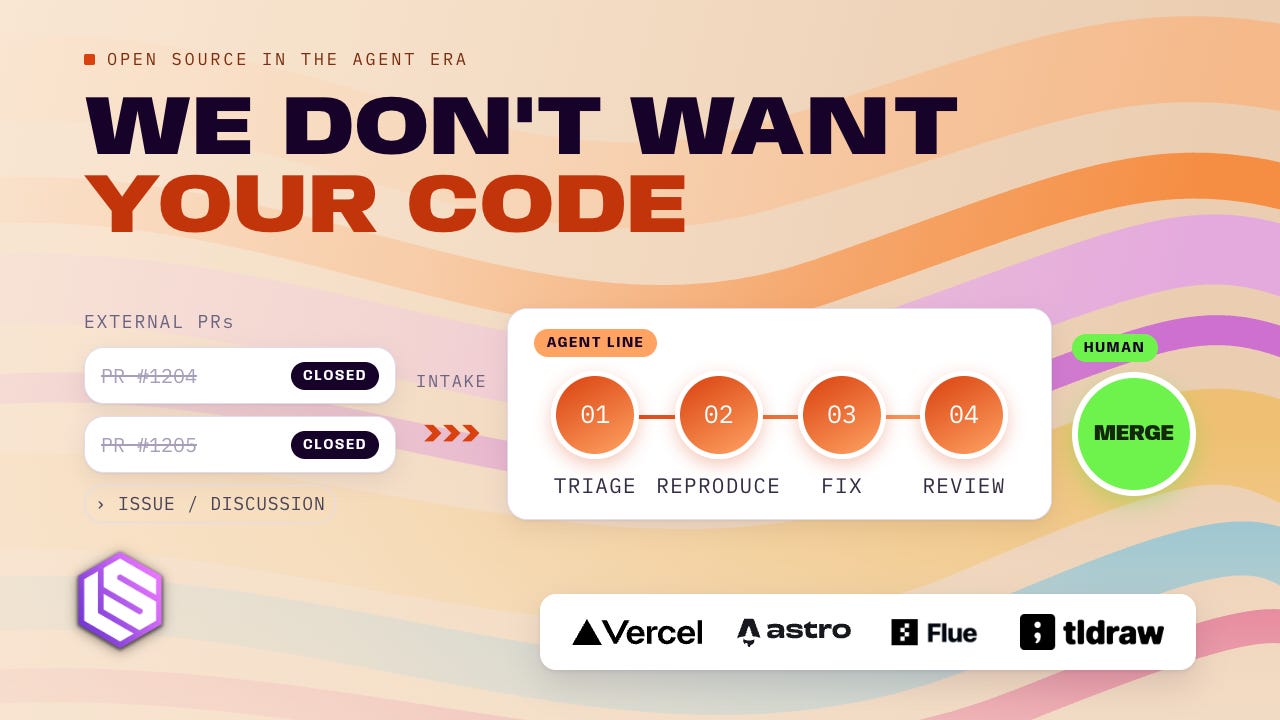
Top AI-native open source projects like Flue and tldraw are refusing external pull requests, often because the…
Visual Studio Code 1.135 now includes an experimental 'Rubber Duck' feature that lets developers request a sec…

Anthropic is making a permanent 25% increase to the usage limits in Claude Code, effective after September 14
OpenClaw creator Peter Steinberger and co-developers announced OpenClaw 2.0 over the weekend, describing it as…