What happened
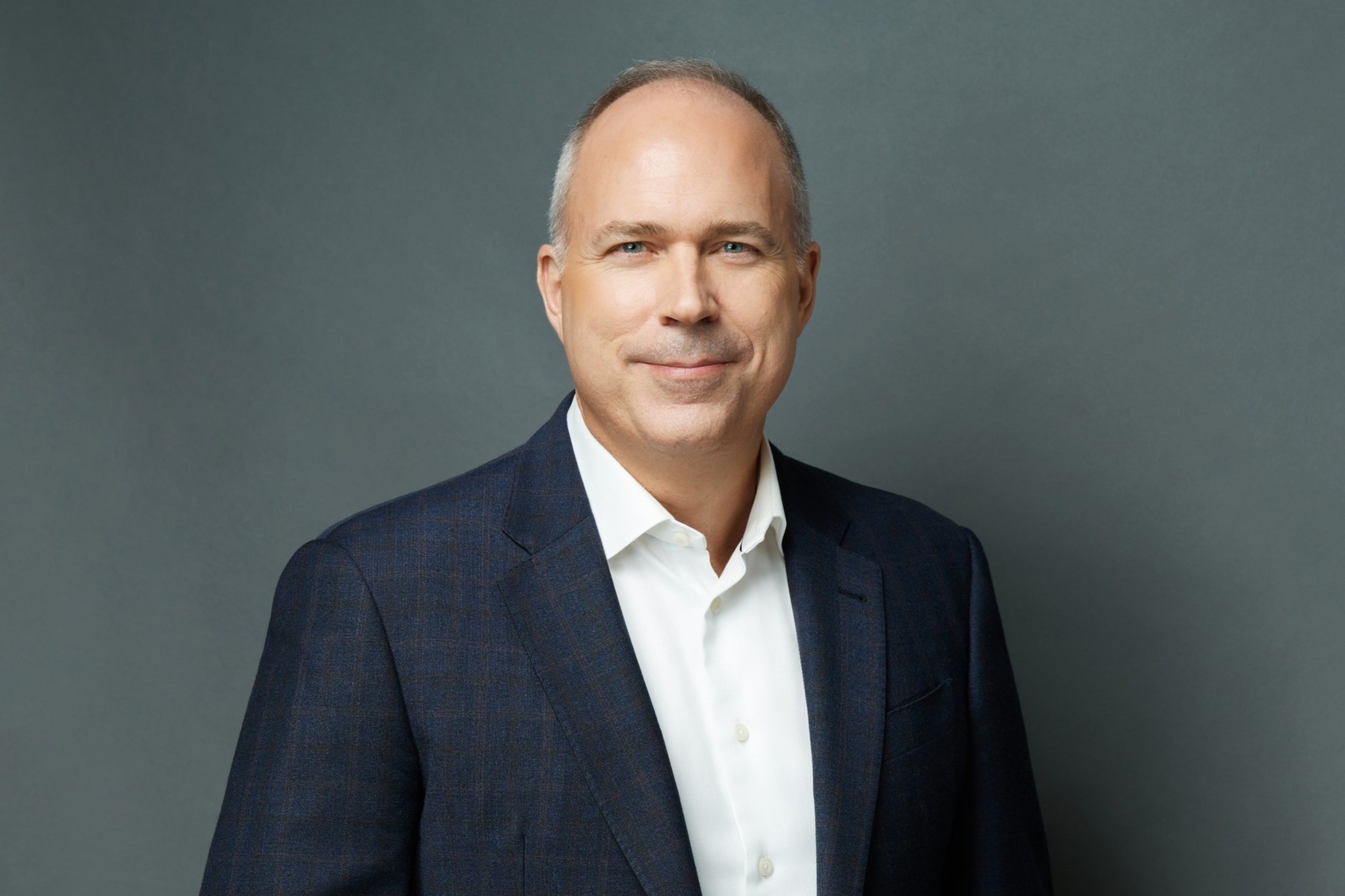
GHGSat CEO Stéphane Germain wrote in Fortune that AI is built into GHGSat's data processing to flag likely methane emissions from millions of facility observations, with staff confirming each one.
Why it matters
He argues this translation step turns a mountain of imagery into a single alert about a specific emission at a customer's facility, and that climate tech should not decline to use AI even as debates over its risks continue.
Summaries like this, every morning.
Germain opens by acknowledging the environmental costs of AI's data-center boom, then argues that other fields—protein structure prediction, cancer detection, weather forecasting—did not treat the technology as too risky to try. He frames climate tech as a field that cannot afford to opt out, and proposes starting with data: satellites already track emissions, deforestation, and ice melt, but the output remains too technical for decision-makers. AI's role, in his account, is translation.
The methane example is the concrete case. GHGSat observes millions of facilities a year, a volume no analyst team could comb through at a useful timescale; AI ranks observations by likelihood of containing an emission, and staff confirm the rest. Germain extends the pattern to deforestation alerts, where AI classifies drivers to point response toward the right intervention, and to geospatial foundation models pre-trained on satellite imagery archives—an approach he says is only starting to emerge.
He is careful to say better data alone fixes nothing: an answer about where emissions come from matters only if someone with authority acts. The piece lands on COP31, where methane pledges are expected to sound familiar, but the measurable picture is larger and more understandable to non-scientists. AI, in his framing, removes ignorance as an excuse for inaction—not the need to decide.
Pick your industry and the AI tools you use, and get news related to your work every day.
Free · 30 seconds with Google · unsubscribe anytimeWhat is AIToday? →
Ask AI anything about this article. The AI reads this article, earlier AIToday articles, and Wikipedia, and cites its sources. Q&As are published on this page for other readers too.
Z Creative Partners said it will validate pairing OpenAI's "Businesses in ChatGPT" official metrics, such as B…

Intel traded at $56.96 premarket, down 42.0% over one month, as it pivots to edge AI with 130+ customers testi…

Bob Morse of Strattam Capital and Michael Quoia of KSE Leadership propose that new graduates become managers o…

A Fortune commentary cites that 80% of employees say AI makes them more productive, yet only 37% of organizati…
Nvidia CEO Jensen Huang has been ousted, with CFO Colette Kress taking over, as AMD's AI chip market share ros…

Dreamteam, led by CEO Anand Venkatraman, raised $53 million in seed and Series A funding from Together Fund an…