What happened
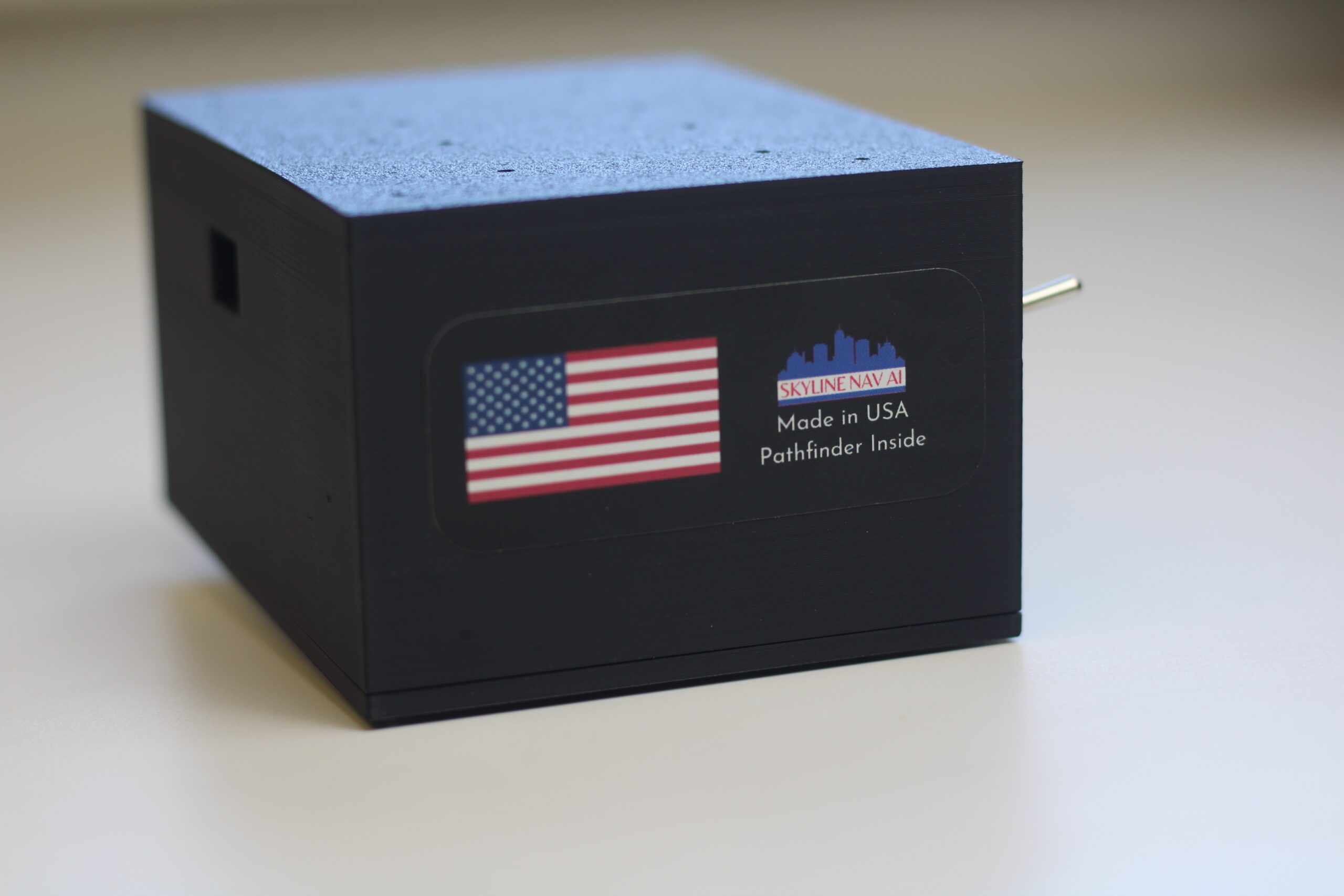
Skyline Nav AI, a Massachusetts company founded in 2020 after a Pentagon call, has built GPS-independent drone navigation that uses onboard cameras and inertial sensors; its Pathfinder line produces 10,000 units a month at as low as $1,000 per unit.
Why it matters
The company's technology could offer a backup for drone operations when satellite signals are disrupted, potentially reducing reliance on a system it describes as a single point of failure.
What to watch
Production runs 10,000 units a month, but Skyline is taking a go-slow approach to expansion, saying it is deliberate about partners because of the risk of its technology ending up in the wrong hands.
WHO IT HITSDefense procurement teams and public safety agencies looking for navigation backups when satellite signals are disrupted will likely be the first buyers, given Skyline's existing customers in the military, research and public safety sectors.
Summaries like this, in your inbox every morning.
GPS has become ubiquitous since its commercial adoption in the 1980s, helping to guide everything from passenger cars to oceangoing ships to drones. But tall buildings, geological formations, and deliberate jamming or spoofing by hostile actors can disrupt those signals. Kanwar Singh, the company's CEO and a captain in the Army National Guard in Massachusetts, says GPS is a single point of failure and that the blue dots from satellites are easy to jam and spoof.
Singh launched the company in 2020 after receiving a call from the Pentagon, which was seeking a solution to the growing problem of America's adversaries disrupting the GPS signals of U.S. weapons systems. He notes that GPS jamming was significant in the wars in Iraq and Afghanistan but not publicly reported at the time. With battlefield tactics increasingly relying on drone technology in conflicts from Ukraine to Iran, the problem of GPS-denial attacks has become even more acute, and Singh says the company pivoted into drones and GPS-independence for drones when the Ukraine war kicked off.
The company prides itself on using U.S.-made components whenever possible, even though they tend to be more expensive than foreign-made materials, and has worked to establish a secure value chain compliant with National Defense Authorization Act (NDAA) requirements. The main constraint Singh cites is long lead times for items like computers, cameras or inertial sensors. The outcome for Skyline's go-slow expansion may hinge on whether it can keep that secure supply chain without sacrificing its low unit price, and that balance could matter for defense buyers who need affordable, trusted navigation backups.
For example, today's edition would include:
AI-summarized, only the topics you pick: one digest a day via Email, LINE, or Slack.
Free · 30 seconds with Google · unsubscribe anytimeWhat is AIToday? →
Ask AI anything about this article. The AI reads this article, earlier AIToday articles, and Wikipedia, and cites its sources. Q&As are published on this page for other readers too.
Intrinsic, Google's AI robotics group, announced it is making parts of its platform open source
Mujin, a Tokyo robot-control software firm, took the Grand Prize at the government-hosted Japan Startup Award…

Intel's director discussed physical AI, business models, and robotics, noting autonomous intelligent machines…

Black Forest Labs released FLUX 3 Action, an open robotics model that takes multi-camera video feeds and predi…
Through EPICS in IEEE, a team of 15 engineering students, faculty advisors, and IEEE Guadalajara Section volun…
Leaders from Shield AI, Waabi, and General Motors will speak on the Real World AI Stage at TechCrunch Disrupt…