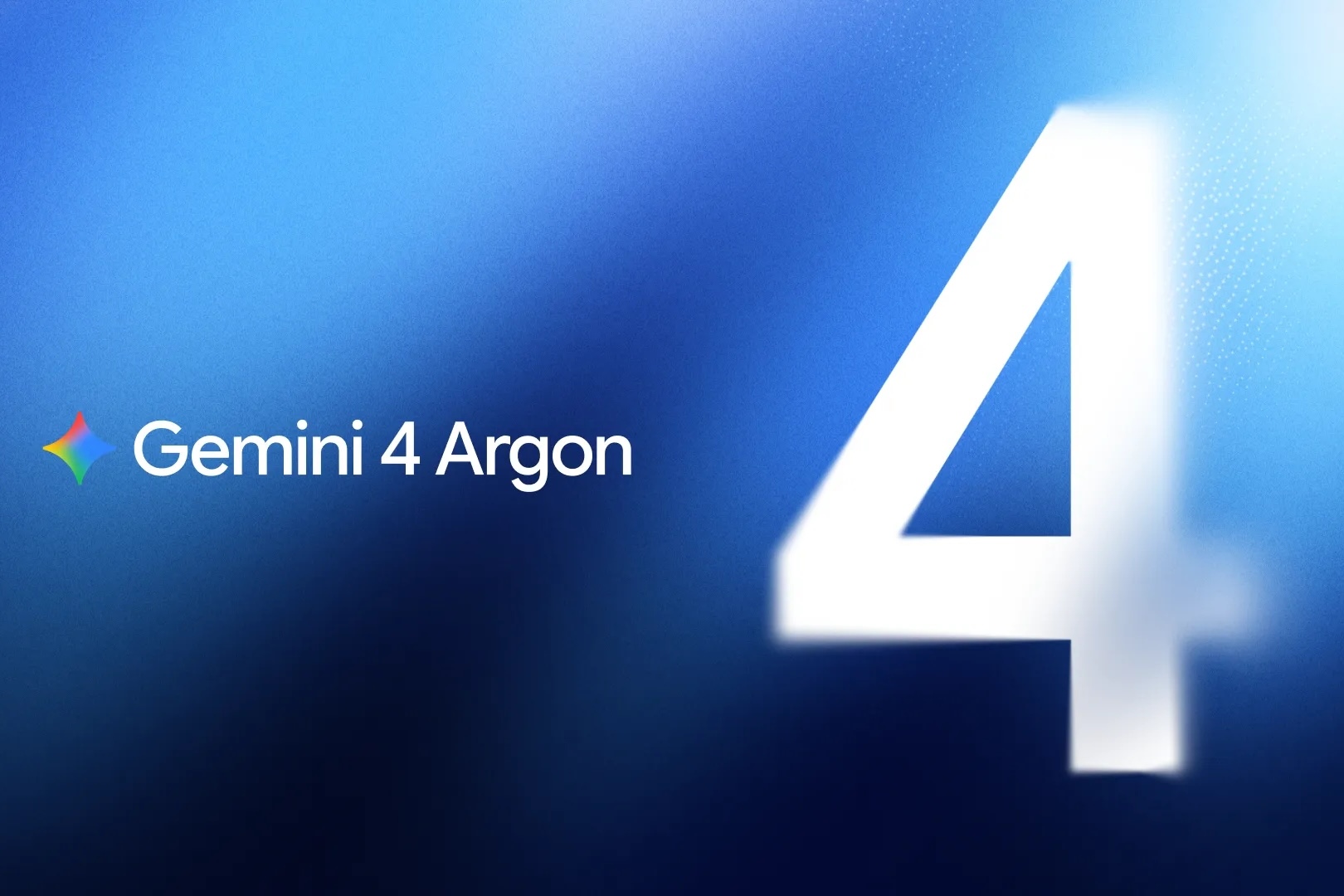
What happened
Google announced Gemini 4 Argon on October 1, priced at $2 per 1M input tokens and $10 per 1M output tokens, with cached input tokens at a 95% discount. It rolls out first to trusted cybersecurity professionals via the Fairwind Program.
Why it matters
The 1M output limit means users can generate hundreds of thousands of tokens in one process, supporting deeper reasoning. Coding, knowledge work, cybersecurity, and creative writing are the targeted frontier-level uses.
What to watch
Whether the cybersecurity-focused rollout limits broader enterprise access remains unstated. The internal vulnerability benchmark found flaws across 20 programming languages, so real-world abuse prevention is the test.
WHO IT HITSCybersecurity professionals gain early access through the Fairwind Program, while enterprise developers and professional users evaluating frontier models will weigh the $2 per 1M input token and $10 per 1M output token pricing against competitors.
Summaries like this, in your inbox every morning.
Google's announcement of Gemini 4 Argon on October 1 positions the model as a frontier-level tool for coding, knowledge work, cybersecurity, and creative writing. The company is not releasing it broadly at once; instead, it is using the Fairwind Program to give trusted cybersecurity professionals sequential access, a controlled approach that echoes how sensitive capabilities are sometimes staged. Pricing is set at $2 per 1M input tokens and $10 per 1M output tokens, with cached input tokens at a 95% discount, which may appeal to heavy users who reuse prompts.
The model's expanded output limit—from 64,000 tokens to 1 million tokens—is a technical shift that Google says enables generating hundreds of thousands of tokens in one process while reasoning deeply. Google also reports progress in migrating C/C++ codebases to Rust: for the video decoder libgav1, Gemini 4 Argon generated code 2.7 times faster than an existing Rust port. On benchmarks, it scored 77.9% on DeepSWE v1.1 for software development and 91.7% on LVBench for long-video understanding.
On cybersecurity, Google says its internal comprehensive vulnerability benchmark found a wide range of vulnerabilities across complex codebases spanning 20 programming languages. The model is also designed to refuse harmful requests to prevent misuse for cyberattacks or chemical, biological, radiological, and nuclear attacks. Whether this controlled rollout and safety design are enough to satisfy enterprise buyers evaluating the model's real-world risk remains to be seen.
Pick your industry and the AI tools you use, and get news related to your work every day.
Free · 30 seconds with Google · unsubscribe anytimeWhat is AIToday? →
Ask AI anything about this article. The AI reads this article, earlier AIToday articles, and Wikipedia, and cites its sources. Q&As are published on this page for other readers too.
DIGITIMES reported the SiC substrate market is finally seeing signs of recovery, after prices collapsed when w…
HENNGE said on October 1 it set up HENNGE AI, a subsidiary with only two directors and no other employees, whe…
Pershing Square sold its entire Alphabet stake and topped off Microsoft while it sat about 20% below its Q2 hi…

Aolani will integrate Karman's power orchestration platform, built on a custom NVIDIA Jetson Orin Nano and tar…

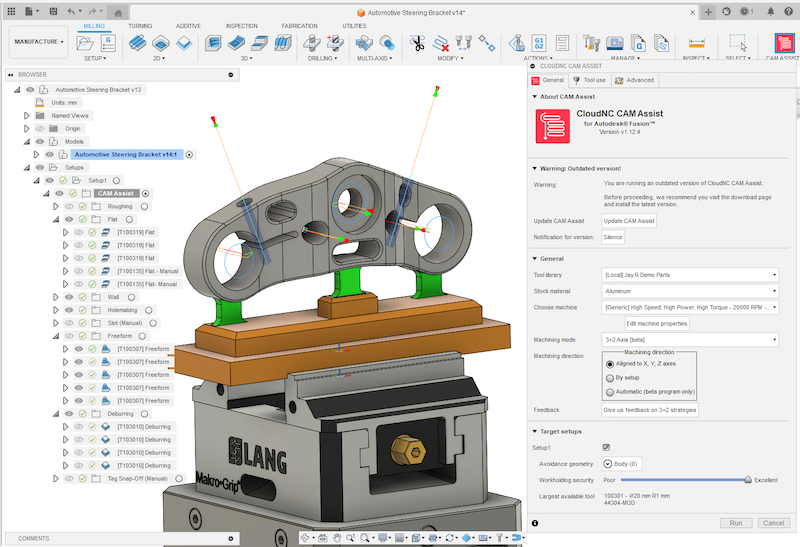
CloudNC raised $20 million led by Nimble Ventures, with Calculus Venture Capital, Entrepreneur First and LM Ve…
Solomon Asamoah laid out a framework for Ghana's AI infrastructure, arguing data-centre approvals should start…