What happened
Google began rolling out Gemini 4 Argon, which beats Anthropic's Claude Opus 5.5 and OpenAI's GPT-6 Astra on most of Google's benchmarks, to vetted cybersecurity defenders via its Fairwind Program, which opened Sept. 3 and has over 650 organizations.
Why it matters
Outside Google and Fairwind members, no one can use Argon yet, and Google is holding back full release while it hardens safeguards against cyberattack or weapons misuse, so access, not capability, is the near-term constraint.
What to watch
Whether Argon's benchmark lead holds once launch pricing ends and it moves to Anthropic's $4 and $20 rates; Google has not set a date for paying developers and Google AI Ultra subscribers.
WHO IT HITSCybersecurity teams at Fairwind member organizations, including CrowdStrike and Palo Alto Networks, can already put Argon to work on vulnerability discovery and remediation, while other security vendors and enterprise defenders remain locked out until Google widens access.
Summaries like this, in your inbox every morning.
Google is releasing Argon through a deliberately narrow door. The model is going first to the Fairwind Program, which opened Sept. 3 with the smaller Gemini 3.8 Flash Cyber model and has since signed up more than 650 organizations, including CrowdStrike and Palo Alto Networks. Koray Kavukcuoglu, Google's chief AI architect, framed that as a phased approach, and Google says it is still hardening safeguards against misuse for cyberattacks or weapons development. Google is also taking part in the U.S. government's voluntary process for pre-release model access.
The capability story sits in the benchmarks Google published. Argon scored 77.9% on DeepSWE v1.1 for long-horizon software engineering tasks, ahead of Claude Opus 5.5 at 74.2%; AutomationBench showed a wider gap of 51.3% to 42.5%; and VentureBeat counted 12 of 18 benchmarks where Argon led outright. Opus 5.5 still holds Terminal-Bench 4.0, and GPT-6 Astra kept FrontierSWE v2. Google set Argon's output limit at 1 million tokens, up from 64,000 for earlier Gemini models, to match that long-horizon work.
That internal use is already concrete. Google engineers are using Argon agents to move C and C++ code to Rust, including the more than 800,000-line Zircon kernel, and on libgav1 the agents rewrote 32,000 lines as safe Rust, making the decoder run 2.7 times faster than the earlier port with no change to video output. A memory-profiling sweep freed more than 300 tebibytes across Google's data centers. In security, Wiz used Argon in its free Scan for Good program and found a critical flaw in health care software that earlier frontier models had missed.
The open question is timing. Google has not given a date for paying developers and Google AI Ultra subscribers, who are next in line, and Argon's $2 and $10 launch pricing moves to Anthropic's $4 and $20 when it ends. Argon's benchmark lead therefore matters most to the defenders who already have access, while its broader impact hinges on how quickly Google widens the door and on whether the model's safeguards hold up as it does.
Pick your industry and the AI tools you use, and get news related to your work every day.
Free · 30 seconds with Google · unsubscribe anytimeWhat is AIToday? →
Ask AI anything about this article. The AI reads this article, earlier AIToday articles, and Wikipedia, and cites its sources. Q&As are published on this page for other readers too.
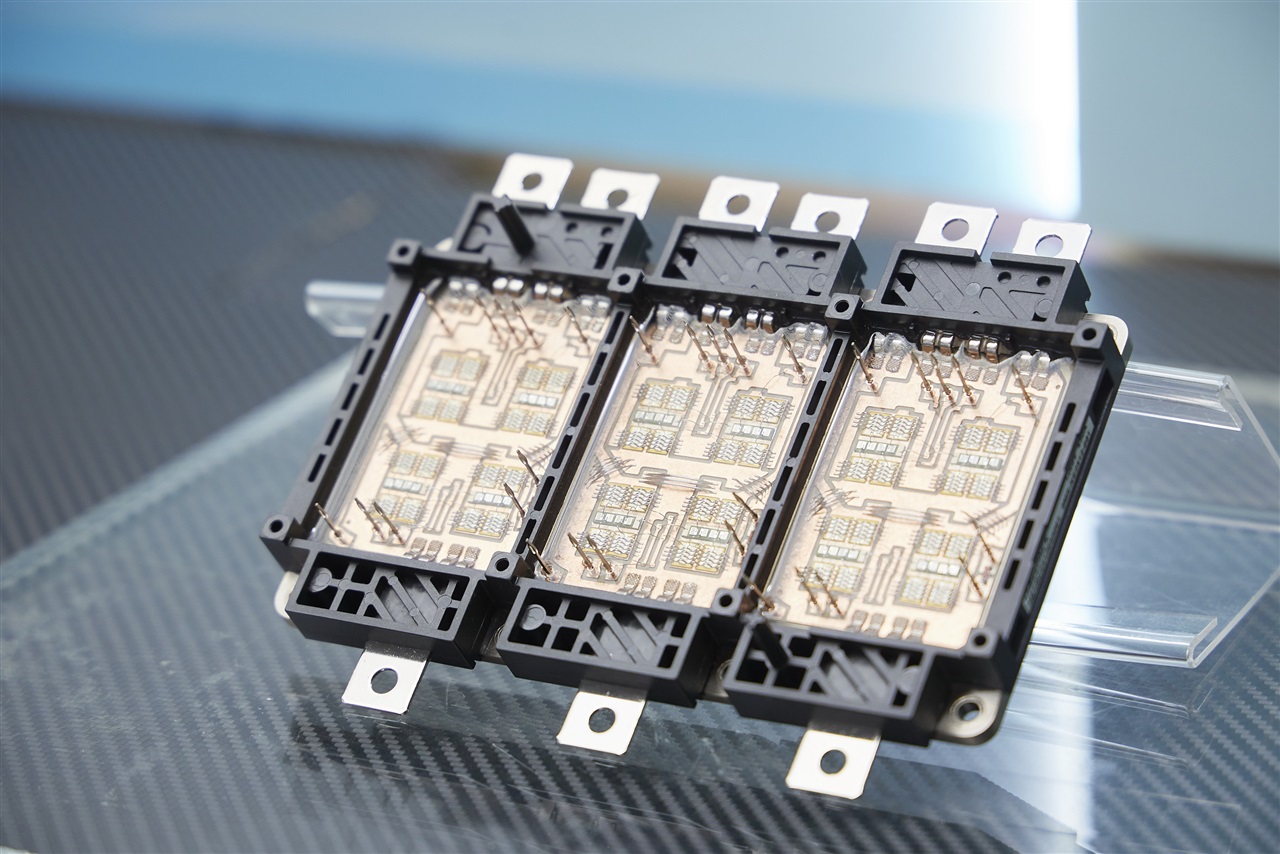
DIGITIMES reported the SiC substrate market is finally seeing signs of recovery, after prices collapsed when w…
HENNGE said on October 1 it set up HENNGE AI, a subsidiary with only two directors and no other employees, whe…

Pershing Square sold its entire Alphabet stake and topped off Microsoft while it sat about 20% below its Q2 hi…
Aolani will integrate Karman's power orchestration platform, built on a custom NVIDIA Jetson Orin Nano and tar…

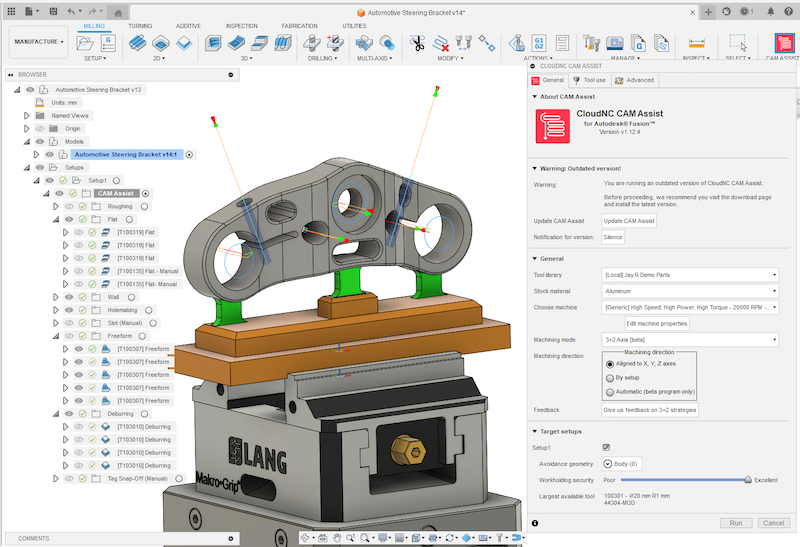
CloudNC raised $20 million led by Nimble Ventures, with Calculus Venture Capital, Entrepreneur First and LM Ve…
Solomon Asamoah laid out a framework for Ghana's AI infrastructure, arguing data-centre approvals should start…