Europe's aging infrastructure—built for cooler climates—is failing under record heat, with railways and roads buckling across the continent.
Countries are investing billions in upgrades and deploying drones and AI sensors to inspect and monitor assets, while some operators use simpler fixes like white paint on tracks.
A 2025 central bank report warns severe weather events could cut eurozone GDP by as much as 4.7% by 2030, underscoring the financial stakes of climate adaptation.
何が起きたか
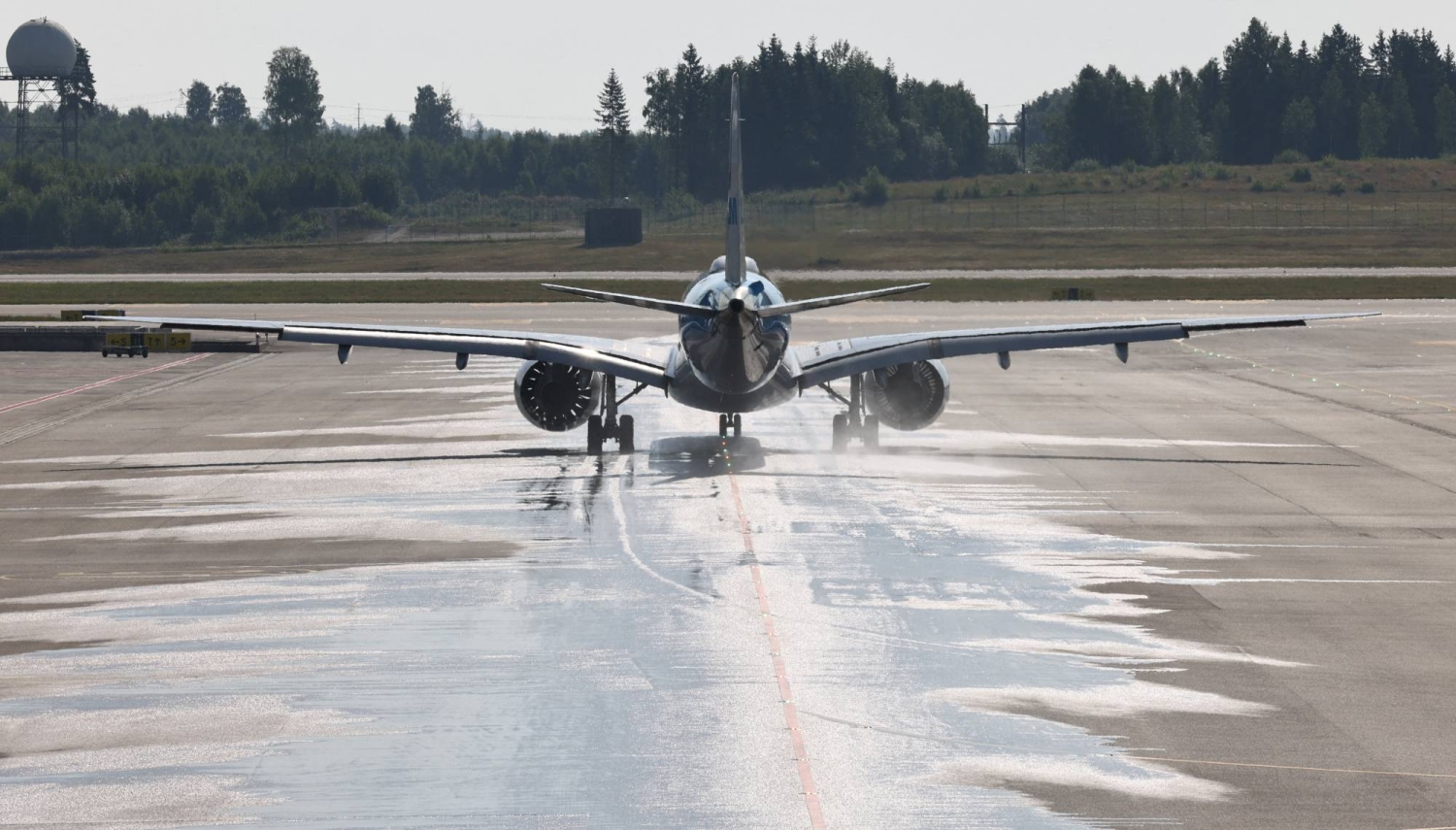
European infrastructure—railways, roads, and airports—is buckling under record heat. Norway's Oslo Airport doused its tarmac with water to keep it cool as temperatures hit 30°C (10°C above normal); Stockholm painted sections of metro track white in May and June for about 100,000 Swedish crowns ($10,300); and Britain's Network Rail pledged £2.6 billion ($3.5 billion(約5600億円)) between 2024 and 2029 to strengthen its network. Countries are deploying drones to inspect tracks and AI-powered sensors to monitor infrastructure more efficiently.
なぜ重要か
Europe's roads and railways, many built decades ago, were designed for narrower temperature ranges than today's climate. An EU report found more than 70% of rail managers saw growing disruption from extreme weather, and weather-related interruptions between 2015 and 2024 equaled one to three years of railway service across the region. A 2025 report by leading central banks estimated severe weather events could cut eurozone GDP by as much as 4.7% by 2030.
注目点
Solutions range from high-cost engineering (heat-resistant asphalt, stable sleeper designs) to simple methods. Stockholm's white-paint approach cost $10,300 and showed how traditional techniques can reduce track buckling. Engineers say Europe could learn from transport systems like the Riyadh Metro and Dubai tram, which operate in temperatures above 50°C (122°F).
Ask the AI about this article →
Europe's infrastructure crisis reflects a fundamental mismatch between aging systems and a changing climate. Most roads and railways were built in the mid-to-late 20th century, when engineers designed them for stable, narrower temperature ranges. Northern European highways, for example, were built to withstand freeze-thaw cycles; southern countries engineered for prolonged summer heat. Now, with heatwaves becoming regular events rather than rare anomalies, many systems face simultaneous pressures—extreme cold in winter and extreme heat in summer—a combination their original design did not anticipate. An EU report documenting that more than 70% of rail managers experienced growing disruption from extreme weather, and that weather-related interruptions between 2015 and 2024 equaled one to three years of service across the region, shows the scale of operational impact.
Countries are pursuing solutions along two paths: expensive infrastructure redesign and tactical low-cost interventions. Britain's £2.6 billion ($3.5 billion(約5600億円)) investment through 2029 and Norway's shift to heat-resistant asphalt represent long-term engineering adaptation, while Stockholm's white-paint initiative demonstrates that simpler, faster methods can also deliver measurable benefit. The body of evidence—from central banks estimating potential eurozone GDP loss of 4.7% by 2030 to engineers citing rail systems in Riyadh and Dubai that handle 50°C+ temperatures—suggests that learning from heat-adapted transport networks outside Europe, and balancing capital-intensive upgrades with low-cost operational tactics, will shape how the continent copes.
For example, today's edition would include:
AI-summarized, only the topics you pick — one digest a day via Email, Slack, or Discord.
Free · takes 30 seconds · unsubscribe anytimeWhat is AIToday? →
Ask AI anything about this article. Q&As are published on this page for other readers too.
K-Safety Expo 2026 will be held at BEXCO in Busan from September 2–4, featuring AI, robots, sensors, and conne…

Skild AI has introduced S1, its flagship robot foundation model, which lets robots learn new, complex tasks by…

BHP, the world's largest mining company by market capitalization, has deployed AI across its operations

John Deere announced a three-year, $10 million research and development partnership with ag-tech company Reser…

On July 16, 2026, NVIDIA announced that 22 Japanese companies and organizations have expressed intent to join…

Panasonic HD has established a new AI and robotics research and development division, and CAIO Sakaba is leadi…